
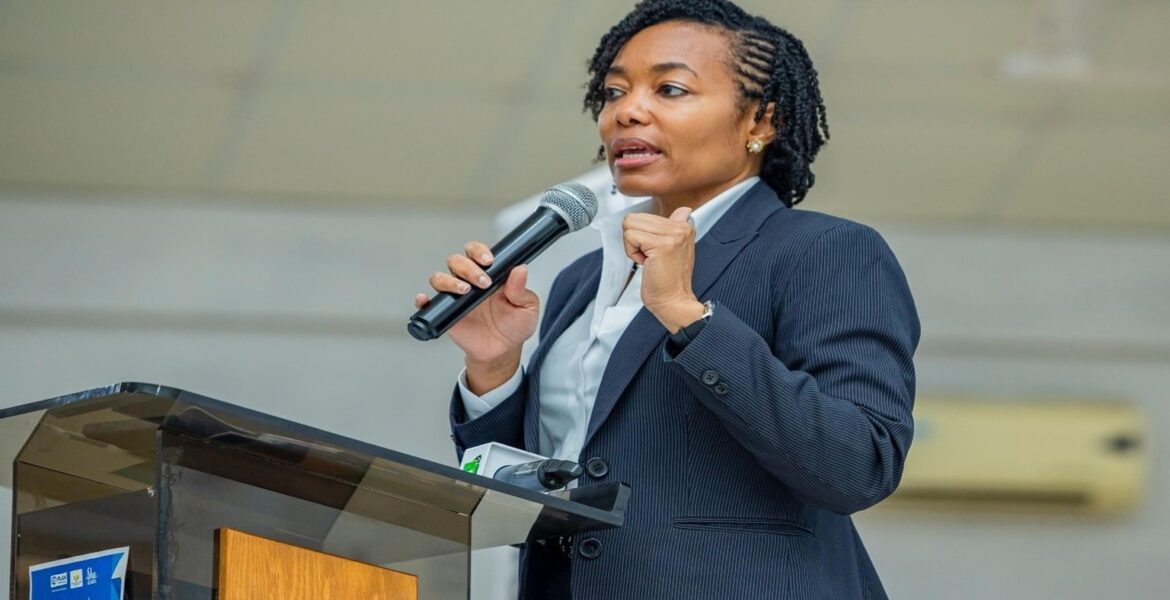
When Dr. Zanetor Agyeman-Rawlings appeared before Parliament’s Appointments Committee on Thursday, August 27, 2026, to be vetted for the Ghana environment ministry, she did not just answer questions, she outlined a distinct governing philosophy. Moving beyond her political biography, the hearing provided a clear roadmap for how she intends to wield the power of this critical portfolio. Her testimony revealed measurable commitments on illegal mining, strict environmental deadlines, aggressive climate negotiations, and technology governance. For women across the country, whether they are farmers fighting ruined soils, food vendors facing new regulations, or young scientists seeking stable careers—these policy shifts carry profound daily consequences.
Illegal mining dominated the Zanetor Agyeman-Rawlings vetting session, but the nominee avoided generic condemnations. Instead, she diagnosed a structural failure: the bureaucratic “silo effect”. She argued that tackling galamsey in Ghana requires an absolute “all-of-government and all-of-society” approach. If confirmed, she committed to immediately engaging the ministers of Lands and Local Government, alongside the Environmental Protection Agency (EPA), to synchronize their interventions and eliminate duplicated efforts.
For women living in mining-affected communities, this administrative coordination is a literal matter of survival. Women disproportionately bear the physical and economic burdens of polluted water bodies and destroyed farmlands. When heavy metals poison local streams, women walk miles further for clean water and struggle to maintain their agricultural livelihoods. A unified government front that stops agencies from passing the buck is the first necessary step to restoring the lands these rural communities depend on.
On international environmental policy, Agyeman-Rawlings signaled a sharp departure from passive diplomacy. She argued that the continent must stop being mere spectators in global climate initiatives. She insisted that future climate partnerships must be rigorously tailored to the country’s specific developmental priorities, rather than accepting uniform global models. She also stressed the need to build stronger institutional capacity to negotiate and secure these funds.
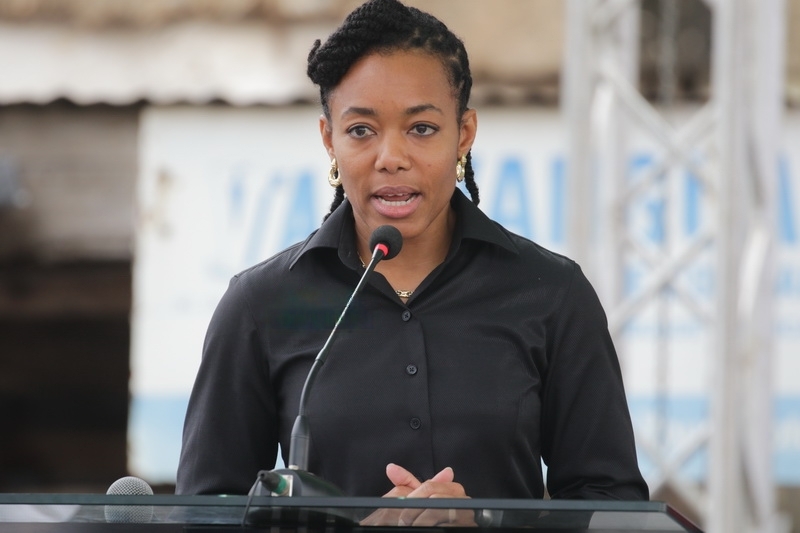
This assertive stance regarding climate change in Ghana matters directly to rural women. Global climate funds frequently bypass the grassroots realities of female smallholder farmers who face unpredictable rainfall and extreme heat on the ground. By demanding that climate finance delivers practical, community-level benefits rather than just funding high-level administrative workshops, the new environment minister could redirect essential resources toward female-led agricultural adaptation.
A major policy flashpoint emerged when the minister-designate firmly backed the EPA’s January 1, 2027, deadline to ban the production, importation, and use of polystyrene foam (Styrofoam) “takeaway” products. Refusing to delay the timeline, she stressed that the environmental dangers are simply too severe to ignore. Highlighting the need for deep behavioral change, she recalled a time when buyers brought their own pots to purchase food rather than relying on toxic plastic within plastic.
This incoming ban will heavily disrupt the informal food economy, a sector overwhelmingly driven by female vendors. While the environmental health benefits of removing non-biodegradable plastics from local ecosystems are immense, these women will need immediate policy support and affordable packaging alternatives to transition their businesses smoothly before the 2027 deadline takes effect.
Addressing the technology wing of her portfolio, Dr. Agyeman-Rawlings endorsed deploying Artificial Intelligence to monitor illegal mining sites and track afforestation progress. However, she explicitly warned against letting the technology run unchecked, demanding strong human oversight and capacity to manage AI safeguards. She was of the view that legislation alone cannot control emerging tech; human capacity remains the essential enforcement mechanism.
Simultaneously, she confronted the “serious brain drain” hollowing out state research institutions. To retain top talent, she promised to push for predictable career trajectories, better service conditions, and robust protection for intellectual property so researchers can properly commercialize their innovations.
For women in STEM Ghana, these commitments represent a vital lifeline. Retaining brilliant female talent requires an environment where young researchers see a viable, protected, and financially stable future at home. Furthermore, insisting on strict human oversight in AI implementation ensures that algorithmic technology deployments, which often carry hidden biases, remain transparent and accountable to the citizens they affect.