
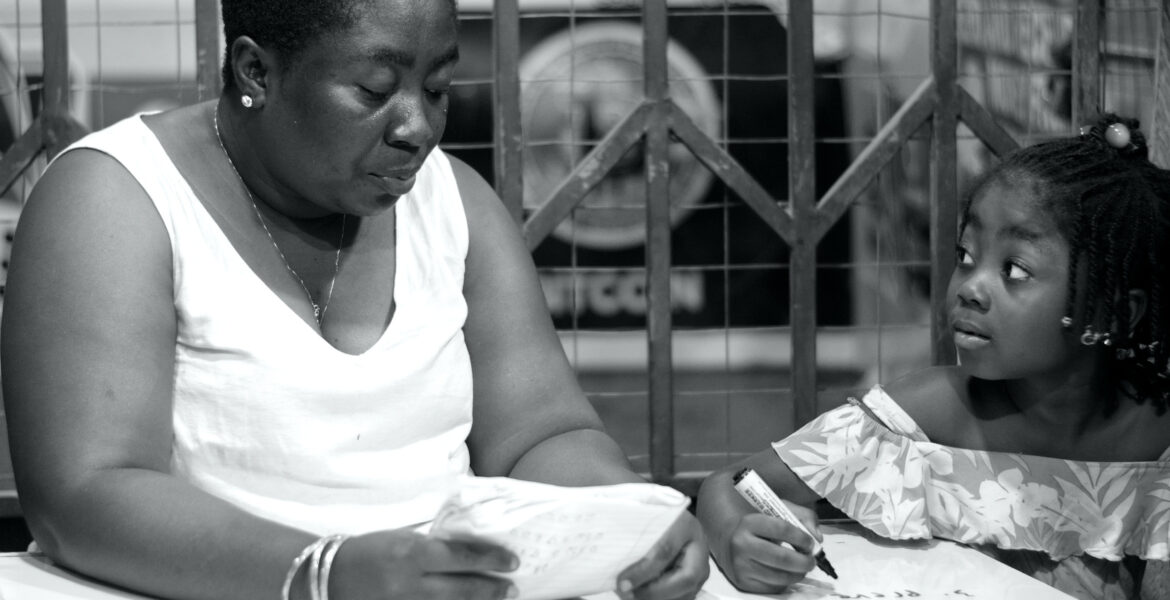
When a woman turns down paid work because there is no safe childcare, leaves a business early to care for an older relative or spends hours collecting water before work begins, care is already shaping Ghana’s economy. It simply remains largely unpaid and undercounted.
That is why Ghana’s message at the inaugural Africa Care Forum in Addis Ababa matters. Gender Minister Dr Agnes Naa Momo Lartey said the country’s approach is anchored in recognising care as productive, reducing unpaid workloads through infrastructure, technology and public services, and sharing responsibility more fairly among households, communities, men and the state.
The Cost Is Measured in Women’s Time
Unpaid care work includes childcare, cooking, cleaning and support for older people or relatives with disabilities. It is different from paid domestic or care work, where a worker receives wages—even though those jobs can also be undervalued.
Figures presented in June 2026 by the UCare project, drawing on the 2009 Ghana Time Use Survey, put the national gap starkly: women spent an average of 147 minutes a day on unpaid care, compared with 49 minutes for men. In the Northern, North East and Savannah regions, women averaged 212 minutes against 50 minutes for men.
Those minutes affect whether a woman can accept a full working day, expand a business, study or rest. A care policy becomes economically meaningful only when it gives time back.

What Practical Change Would Look Like
For mothers, that could mean affordable, reliable early-childhood services near homes and workplaces. Ghana’s Early Childhood Care and Development Policy 2025 covers health, nutrition, education, care, protection and inclusion, but the decisive questions are where services will be built, who will staff them and what families will pay.
In an October 1 report, Ghana’s Information Services Department said the Gender Ministry had established a national, cross-sector committee to coordinate the delivery of the 2025 Early Childhood Care and Development Policy. This is an early-childhood implementation step; it does not establish a dedicated budget for the whole care economy.
For households caring for older people or persons with severe disabilities, change could include community-based support, respite services, accessible transport and better-targeted social protection. According to Opemsuo’s report of the forum, Dr Lartey cited the Livelihood Empowerment Against Poverty programme among Ghana’s existing interventions, but cash transfers cannot replace dependable services.
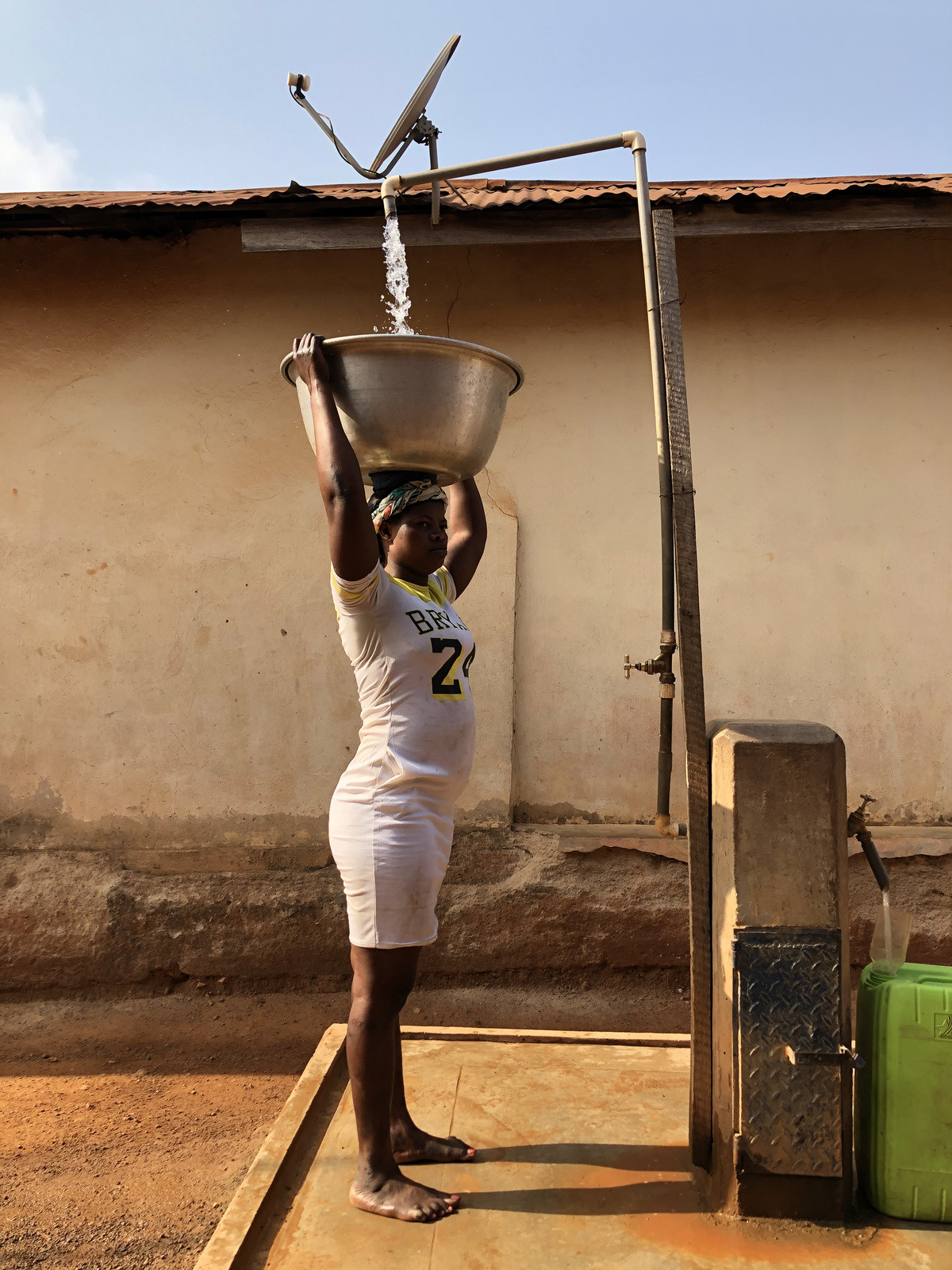
Time-saving infrastructure matters too. Reliable water, electricity, sanitation, transport and clean cooking systems can reduce repetitive household labour, especially where basic services are distant or inconsistent.
Commitment Is Not Yet Delivery
Ghana also highlighted its revised National Gender Policy, the Gender Action Learning System and efforts to encourage men to share domestic work. In a report published on 8 September, MyJoyOnline described Dr Lartey’s meeting with AU Commissioner Amma Twum-Amoah, where they discussed the AU Champion on Gender and Development workplan and cooperation on social protection.
The September reports of the Africa Care Forum and Ghana–AU meeting reviewed here did not specify a dedicated budget, a timetable covering the whole care economy or a new national care law. The ECCD Policy 2025 does set out recommended implementation actions for Years 1–3 and cost guidance for early childhood. Those provisions, and the new coordination committee, do not by themselves establish universal childcare, eldercare or disability-care services.
The real test will be whether care appears in budgets, district plans, labour policy and public infrastructure. Recognition can change the language. Investment is what can change a woman’s day—and widen her choices about work, income and life.
