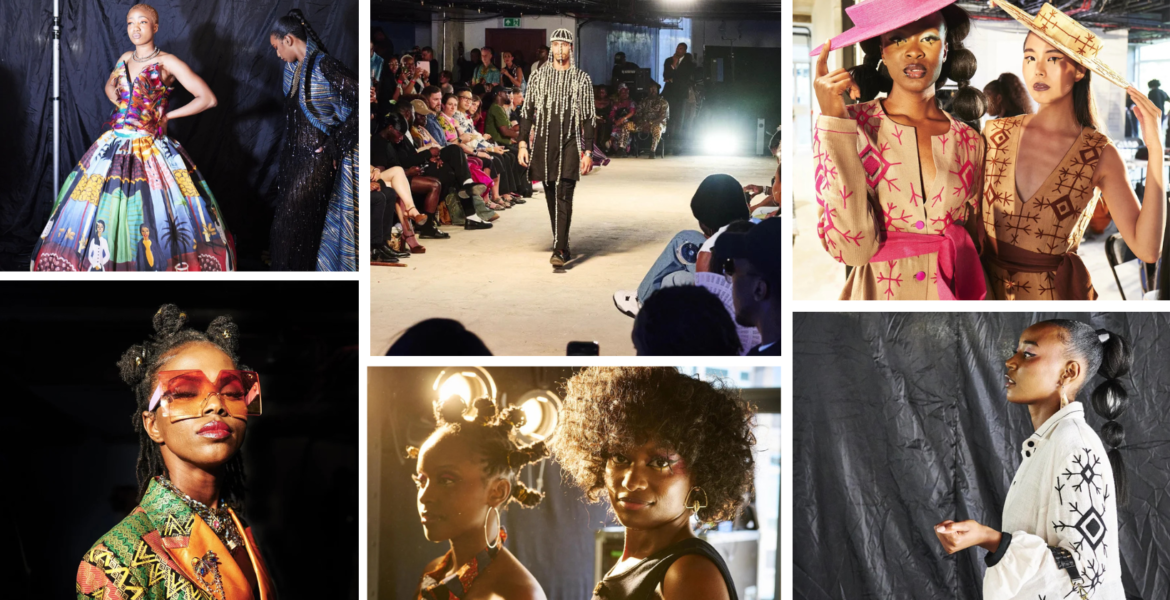
From a gender-fluid rethink of kente to precision tailoring and a Pan-African fashion vision, meet the Ghanaian names to watch at Africa Fashion Week London today.
When Africa Fashion Week London’s runway programme begins today, Ghana’s presence will be about more than seeing familiar fabrics on an international stage.
Among the designers showing at AFWL 2026 are Adubauh Studios, La’baleo Collections and Republic of Africa—three labels offering distinctly different ideas of what contemporary Ghanaian fashion can be.
And if there is one collection that captures why this moment feels particularly interesting, it is called Kente Uncut.
Adubauh Studios Is Asking What Kente Can Become
Designer Aduhema, currently a third-year undergraduate, brings Kente Uncut to AFWL through Adubauh Studios. She has developed her own interpretation of kente, using traditional Ghanaian symbols to communicate empowerment, sophistication and growth while combining the fabric with traditional tailoring and gender-fluid design.
That distinction matters.
Ghana’s conversation around kente often centres—understandably—on heritage, ownership and protection. Kente Uncut pushes that conversation somewhere else: what happens when Ghanaian creatives claim ownership not only by protecting their heritage, but by experimenting with it?
Structured pockets, hand-sewn lapels and silhouettes intended to work across male and female forms give Aduhema room to explore kente beyond the contexts in which we are accustomed to seeing it.
That may be the most compelling thing to watch when Adubauh reaches the runway today: not simply the presence of kente, but what Aduhema chooses to do with it.
La’baleo Puts Tailoring at the Centre
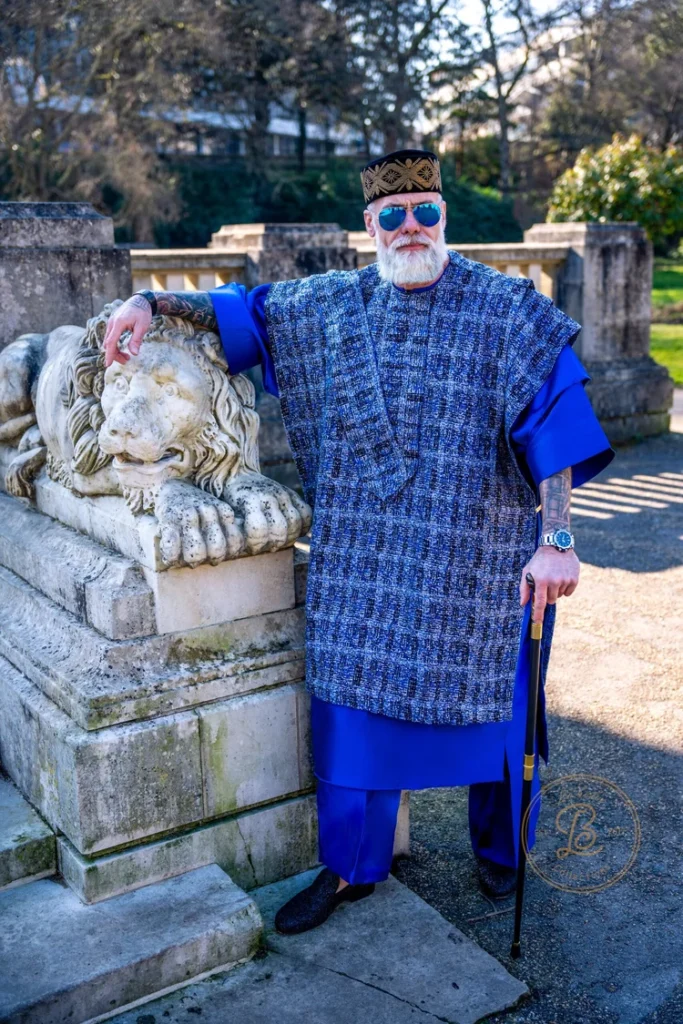
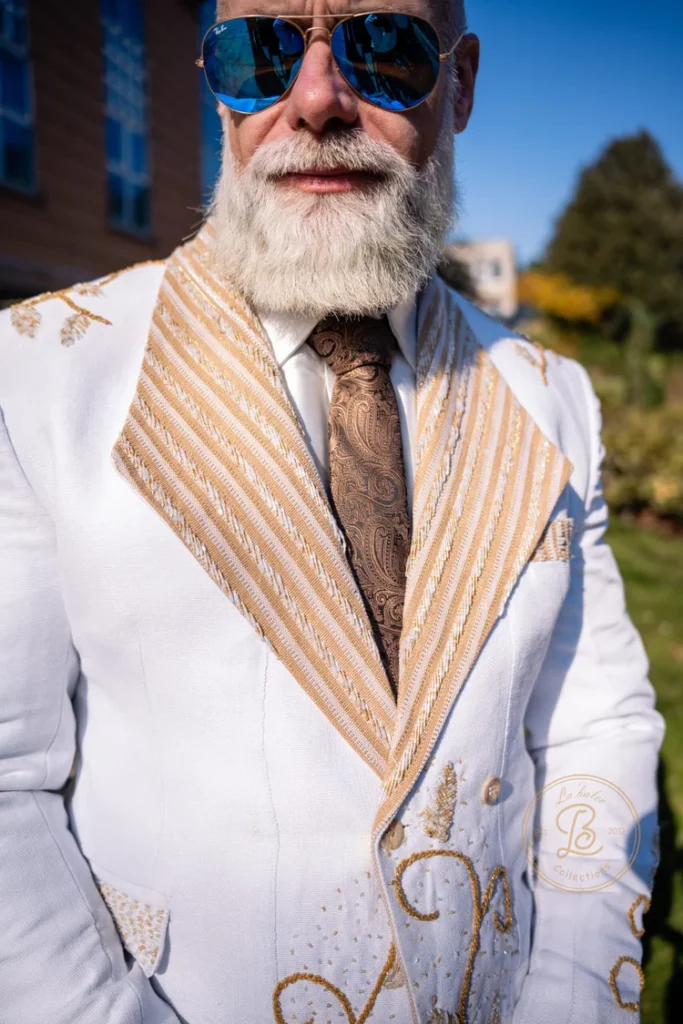
Also showing on AFWL’s 2 PM New Talent Catwalk is La’baleo Collections, which AFWL describes as a Ghanaian menswear brand specialising in bespoke, tailor-fit clothing.
Its design language is rooted in classic menswear: clean silhouettes, careful construction and precision tailoring intended to give familiar forms a contemporary finish.
That makes La’baleo an interesting counterpoint to the textile-led conversations that often dominate discussions about African fashion. Here, the point of distinction is craftsmanship itself—the fit, finish and construction of the clothes.
For readers watching today, those are the details worth paying attention to.

Republic of Africa Is Building a Bigger Fashion Language
Later, Republic of Africa joins the 4 PM Next Gen Runway through the British Council’s Creative DNA programme, which supports African fashion businesses as they develop their international reach.
Republic of Africa grew from WEAR Ghana, the fashion company established by Awura Abena Agyeman and built over more than a decade before evolving into a wider Pan-African proposition.
And while the brand’s ambitions stretch beyond clothing, its current fashion language gives that philosophy something tangible.
Its Africa United pieces include unisex zip-front tops, cargo silhouettes, Ghana-colour accents and garments incorporating fabric recovered through the brand’s circular production process. Republic of Africa describes leftover material as being reconceived and hand-stitched into new pieces rather than discarded.
We don’t yet know which of those specific elements will make it onto the AFWL runway, but they offer a useful clue to what the brand has been exploring: African identity expressed through contemporary, wearable forms rather than nostalgia alone.
What to Watch Today
Taken together, these three designers complicate the old shorthand of “African fashion” as colourful fabric exported to a global audience.
Instead, Ghana’s AFWL story is about choice: choosing to redraw the boundaries around kente, choosing to make tailoring and craftsmanship the statement, and choosing to build fashion businesses capable of carrying African ideas into global markets.
So when the collections hit the London runway today, watch the details.
Watch how Aduhema reshapes heritage. Watch La’baleo’s tailoring. And watch how Republic of Africa translates its Pan-African ambitions into clothes.
Because contemporary Ghanaian fashion is not waiting for somebody else to decide what African style should look like next.
Its designers are already doing that themselves.