

For many women, breastfeeding is one of the most anticipated—and sometimes intimidating—parts of motherhood. While it is a natural process, it does not always come naturally. Many first-time mothers worry about whether their baby is getting enough milk, whether the latch is correct, or if the discomfort they’re experiencing is normal.
If you’re preparing to welcome your first baby or have recently given birth, understanding the basics of breastfeeding can make your journey less stressful and more rewarding.
Why Breastfeeding Matters
Breast milk is considered the ideal source of nutrition for babies. It contains the right balance of nutrients, antibodies, hormones, and enzymes that help newborns grow while protecting them from infections and illnesses.
For mothers, breastfeeding can also lower the risk of postpartum bleeding, support recovery after childbirth, and reduce the long-term risk of conditions such as breast and ovarian cancer.
Start Breastfeeding as Early as Possible
Health experts recommend initiating breastfeeding within the first hour after birth whenever possible. During this time, your baby is usually alert and instinctively ready to feed.
Early breastfeeding also stimulates milk production and strengthens the bond between mother and baby through skin-to-skin contact.

Don’t Ignore Colostrum
Many first-time mothers are surprised that only a small amount of milk is produced in the first few days.
This thick, yellowish milk, known as colostrum, is often called “liquid gold” because it is packed with antibodies and immune-boosting nutrients. Although the quantity may seem small, it is exactly what your newborn needs.

A Good Latch Makes All the Difference
One of the biggest reasons breastfeeding becomes painful is poor latching.
A baby who is latched correctly takes in both the nipple and a large portion of the areola. This allows effective milk transfer while reducing nipple pain.
Signs of a good latch include:
- Your baby’s mouth is wide open.
- More of the areola is visible above the baby’s mouth than below.
- Feeding is rhythmic with audible swallowing.
- You experience little or no pain after the initial few seconds.
If breastfeeding remains painful throughout the feed, seek help from a healthcare professional or lactation consultant.
How Often Should a Newborn Feed?
Newborns usually breastfeed 8 to 12 times every 24 hours. Their stomachs are tiny, meaning they need frequent feeding.
Rather than watching the clock, pay attention to feeding cues such as:
- Sucking on hands
- Smacking lips
- Opening the mouth
- Turning toward the breast (rooting)
Crying is often a late sign of hunger.
How Do You Know Your Baby Is Getting Enough Milk?
This is one of the most common concerns among first-time mothers.
Signs your baby is feeding well include:
- At least six wet diapers a day after the first few days.
- Regular bowel movements.
- Steady weight gain.
- A satisfied baby after feeds.
You can hear swallowing during breastfeeding.
Common Breastfeeding Challenges
Breastfeeding may come with hurdles, especially during the first few weeks.
Common challenges include:
- Sore nipples
- Breast engorgement
- Blocked milk ducts
- Difficulty latching
- Concerns about low milk supply
Most of these problems can be managed with proper positioning, frequent feeding, and timely support.

Does Breastfeeding Hurt?
Some tenderness during the first few days is common, but persistent or severe pain is not.
Ongoing pain may indicate:
- An incorrect latch
- A tongue-tie in the baby
- A breast infection
- Cracked nipples
If the pain continues, don’t struggle in silence. Early support can make a significant difference.
Can You Increase Your Milk Supply?
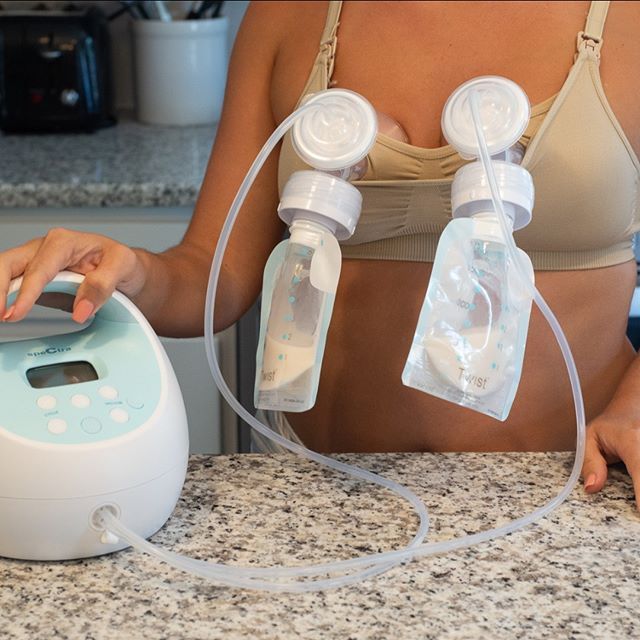
Milk production largely works on a supply-and-demand system. The more often your baby breastfeeds or milk is expressed, the more milk your body is encouraged to produce.
To support healthy milk production:
- Breastfeed frequently.
- Ensure your baby empties one breast before switching.
- Stay hydrated.
- Eat a balanced diet.
- Get as much rest as possible.
Avoid unnecessary formula supplementation unless medically advised.
Looking After Yourself Matters Too
Breastfeeding can be physically and emotionally demanding. New mothers often focus entirely on their baby while forgetting their own wellbeing.
Try to:
- Drink water regularly.
- Eat nutritious meals.
- Accept help from family and friends.
- Rest whenever your baby sleeps.
- Speak to your healthcare provider if you feel overwhelmed.
A healthy mother is better equipped to care for a healthy baby.
When Should You Seek Professional Help?
Reach out to your doctor, midwife, or lactation consultant if:
- Your baby isn’t gaining weight.
- Breastfeeding is consistently painful.
- Your baby refuses to feed.
- You have fever, redness, or severe breast pain.
You’re worried about your milk supply.
Seeking help early can prevent small challenges from becoming bigger problems.
Breastfeeding is a learning experience for both mother and baby. There may be moments of frustration, but there will also be moments of deep connection and joy. Give yourself grace as you learn, ask for help when needed, and remember that every breastfeeding journey is unique.
The goal isn’t perfection—it’s nourishing your baby while caring for yourself.