
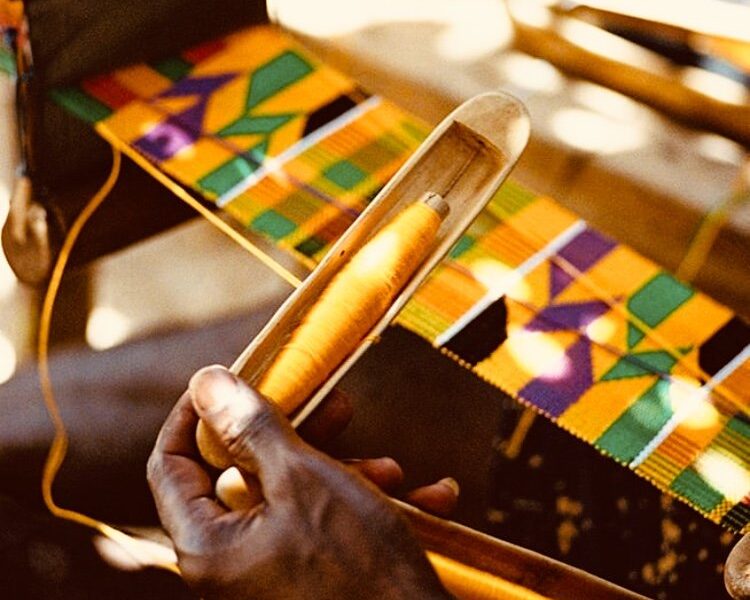
Agortime-Ziope MP Charles Agbeve has called for stronger copyright protection for Kente designs, warning that unauthorised reproduction is undermining Ghana’s Kente weaving industry and the livelihoods of local weavers.
Mr Agbeve made the call at the 31st Kente Festival Celebration in Kpetoe, where he raised concerns about traditional Kente designs being copied and reproduced commercially, including outside Ghana.
“We need copyrights for our Kente designs,” he said, warning that designs painstakingly developed by Ghanaian weavers could be copied and printed abroad within a short time. He specifically cited China as an example of where some designs are reproduced.
According to the MP, the practice means that weavers can invest significant time and creativity into developing Kente designs, only for others to reproduce them commercially without the original creators receiving corresponding financial benefits.
He said the situation was “killing the industry” and could discourage artisans from investing in the creation of new Kente designs.
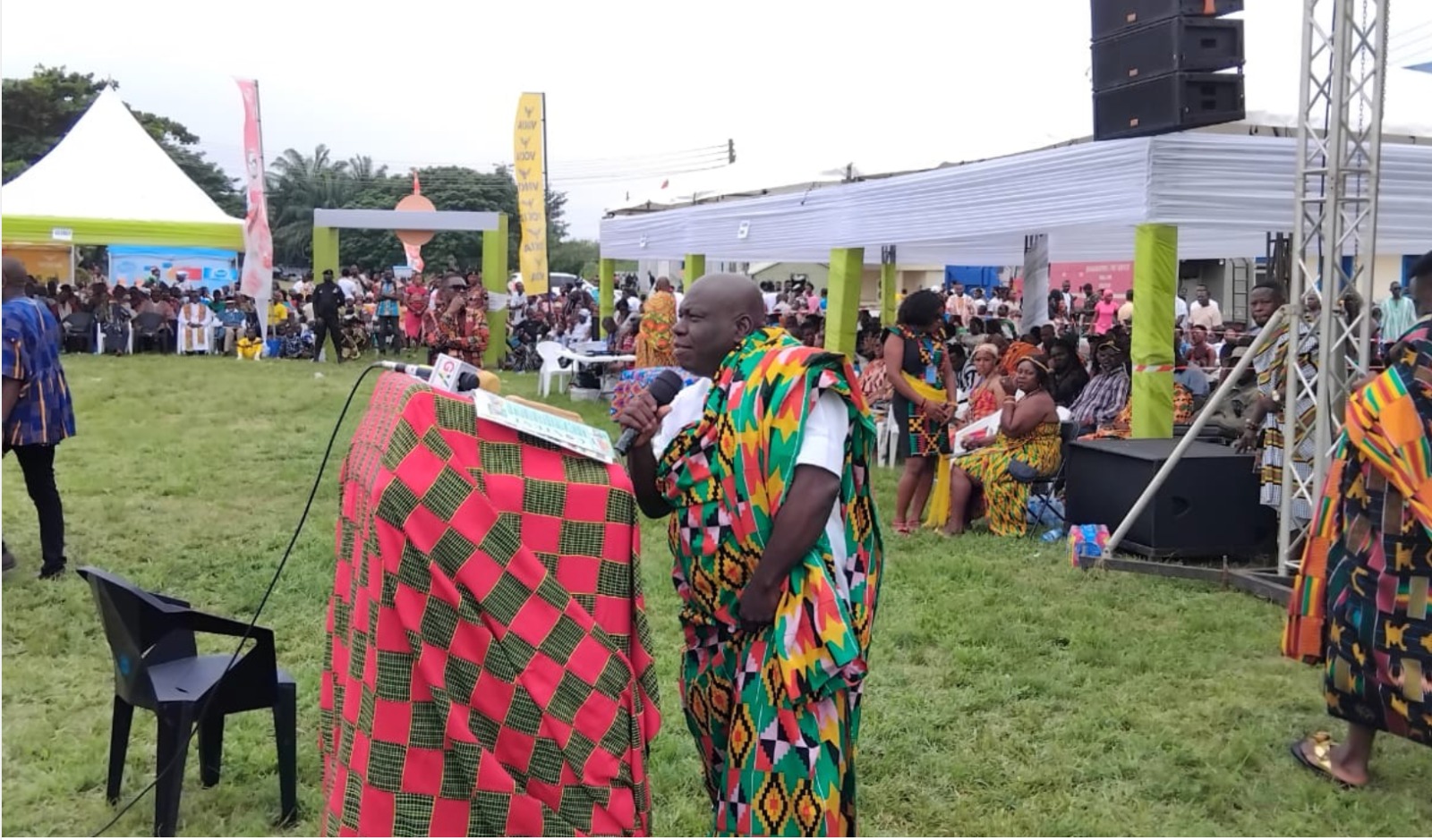
Calls For Stronger Kente Copyright Protection
Mr Agbeve, who is a member of Parliament’s Committee on Trade, Industry and Tourism, said the issue of intellectual-property protection for Kente had already received attention at the committee level.
He said stronger copyright protection would encourage Ghanaian Kente weavers to continue developing new designs while ensuring that they could benefit financially from their creative work.
The MP also called for protection to be extended beyond Kente to other indigenous Ghanaian textiles and creative products whose designs are vulnerable to unauthorised reproduction.
The concern is not new. At the 2024 Agortime Kente Festival, stakeholders also raised concerns about the loss of market value of Kente and the need to protect the intellectual-property rights of master weavers. Mr Agbeve pledged at the time to initiate steps towards protecting their intellectual property.
Kente Education Proposed For Ho Technical University
Beyond copyright protection, Mr Agbeve proposed the integration of Kente studies into the curriculum of Ho Technical University.
He said students, particularly those studying Arts and related programmes, could visit Agortime to learn about the history, production and cultural significance of Kente and interact directly with master weavers.
According to him, closer collaboration between educational institutions and traditional weaving communities could help preserve indigenous knowledge while encouraging young people to consider Kente weaving as a profession.
He further argued that combining education, copyright protection and economic support could help transform Kente from a cultural heritage product into a sustainable creative industry capable of generating jobs and income for local communities.
Why Kente Copyright Matters
Kente is one of Ghana’s most recognisable cultural textiles and an important source of livelihood for weaving communities.
For local weavers, however, the value of Kente extends beyond its cultural symbolism. Every design represents time, skill and creative labour, making the question of who can reproduce and commercially benefit from those designs increasingly important as Ghanaian fashion gains international visibility.
The renewed call for Kente copyright protection in Ghana therefore comes at a time when the country’s traditional textiles are receiving greater attention within the global fashion and creative industries.
For Mr Agbeve, stronger intellectual-property protection is necessary to ensure that the economic value generated by Kente does not leave the communities and artisans responsible for creating and preserving it.