
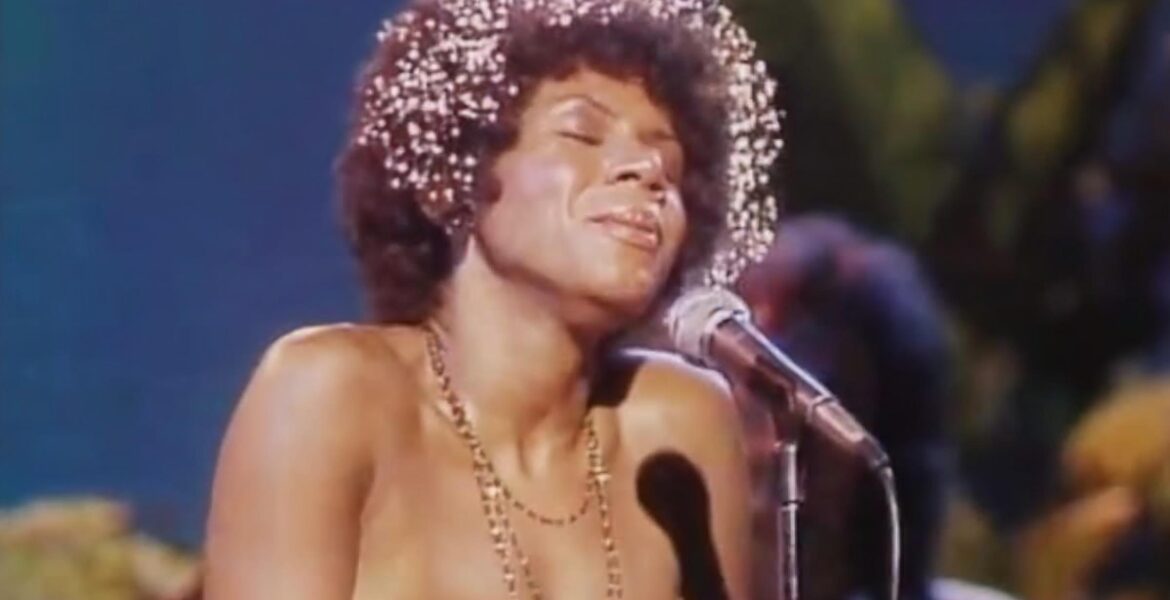
There are beautiful voices.
And then there are voices that make you stop and wonder how a human being could possibly produce a sound like that. Minnie Riperton had one of them.
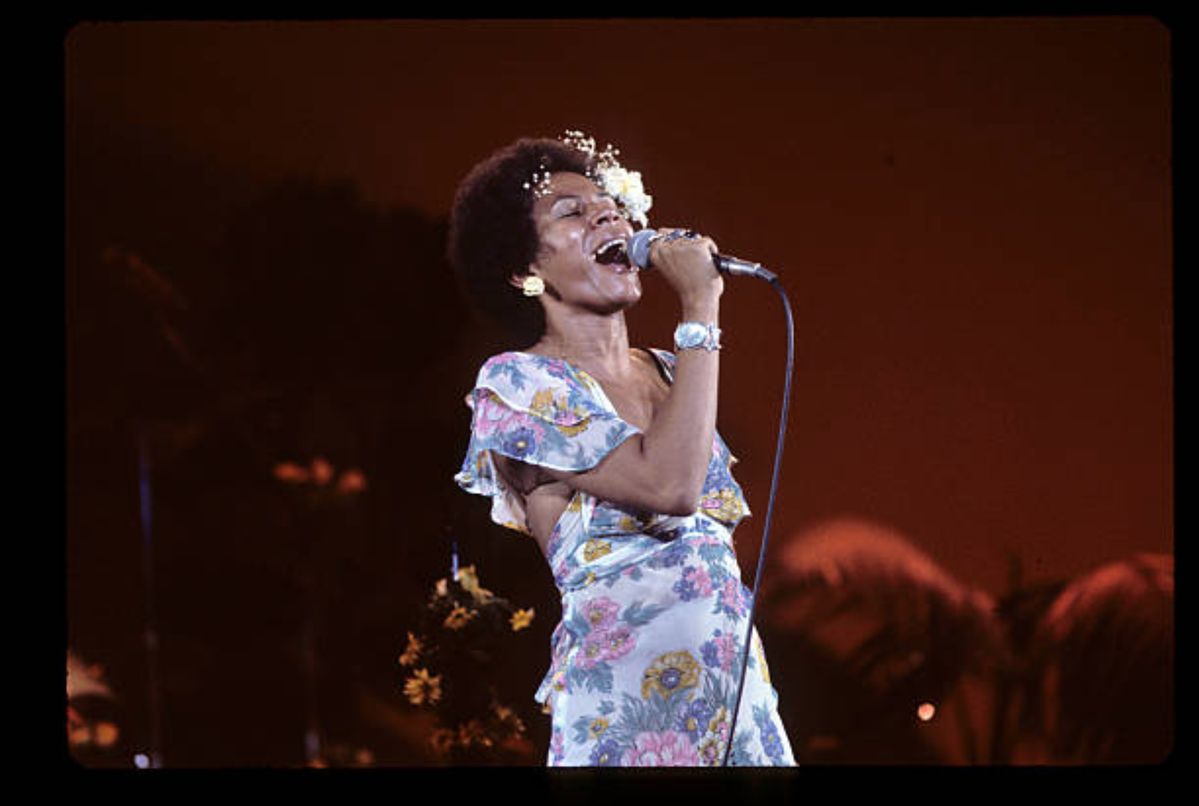
Her voice could be tender enough to feel like a whisper and, moments later, rise into a crystalline whistle that seemed to hover somewhere above the music. There was an almost weightless quality to it—a sound so delicate and precise that it could make even the simplest melody feel otherworldly.
You hear it in “Lovin’ You.” The song begins like an intimate confession. Then her voice rises, effortlessly, note by note, until it seems to leave the earth altogether.
It is beautiful. And knowing what would happen to Minnie Riperton makes listening to it years later feel almost unbearably bittersweet.
She was only 31 when she died. But before the world lost her, she gave it a voice it would never quite forget.
Before “Lovin’ You,” There Was a Dreamer
Born in Chicago in 1947, Riperton grew up surrounded by music. She studied music, drama and dance from a young age and received classical vocal training, developing an instrument that would eventually become one of the most distinctive in popular music.
Her career began long before the song that would make her famous. As a teenager, she became involved with Chess Records and sang with The Gems. She later became the lead vocalist of Rotary Connection, the experimental psychedelic soul group associated with Chicago’s Cadet Records.
This was not the Minnie Riperton audiences would eventually know from “Lovin’ You.” Here, her voice was given room to explore.
She could be experimental, powerful and unpredictable, moving through sounds that were worlds away from the delicate romanticism of her biggest solo hit. She was finding herself. And she was only getting started.
When “Lovin’ You” Became a Love Letter
Riperton released her first solo album, Come to My Garden, in 1970. Although it did not immediately make her a household name, it offered an early glimpse of the artist she was becoming.
Her breakthrough would come a few years later. After moving to Los Angeles, Riperton became part of Wonderlove, Stevie Wonder’s backing group. Wonder would later help produce her second solo album, Perfect Angel.
And then came “Lovin’ You.” Released in 1974, the song became a No. 1 hit in 1975. But its story began somewhere much smaller than a recording studio.
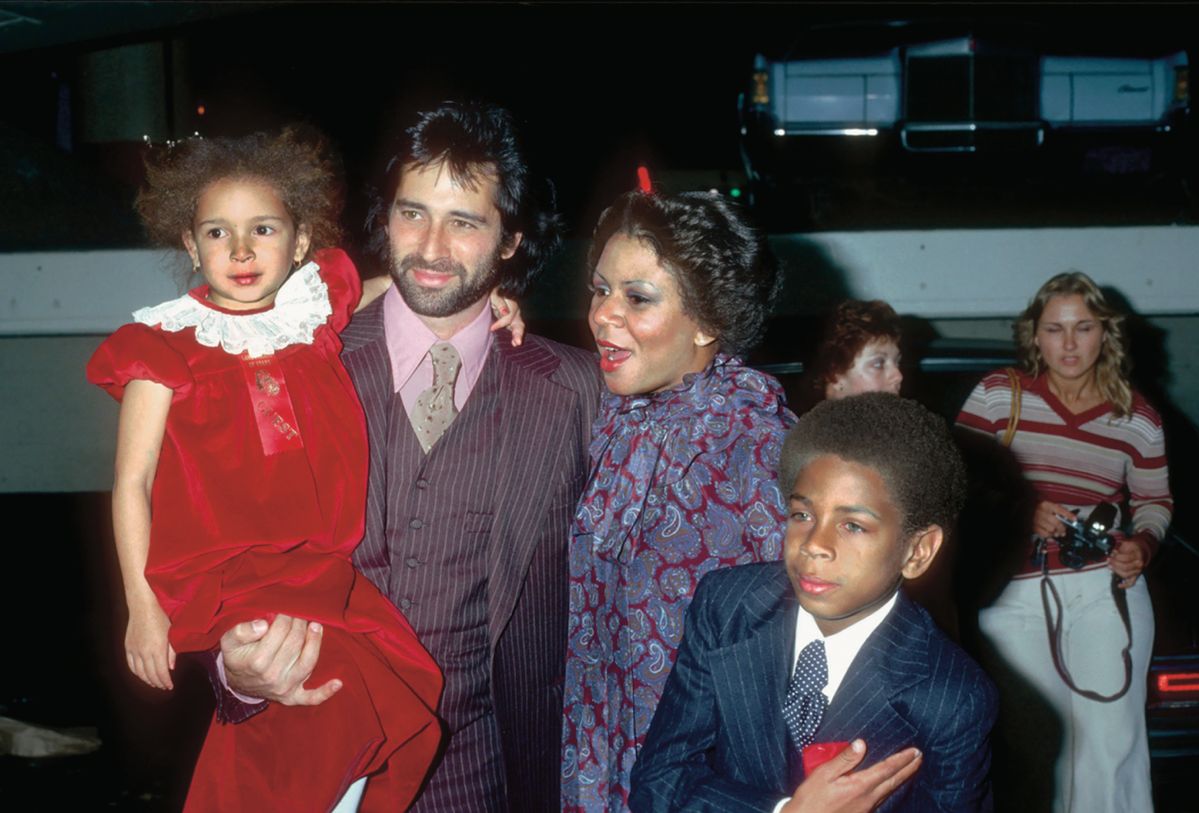
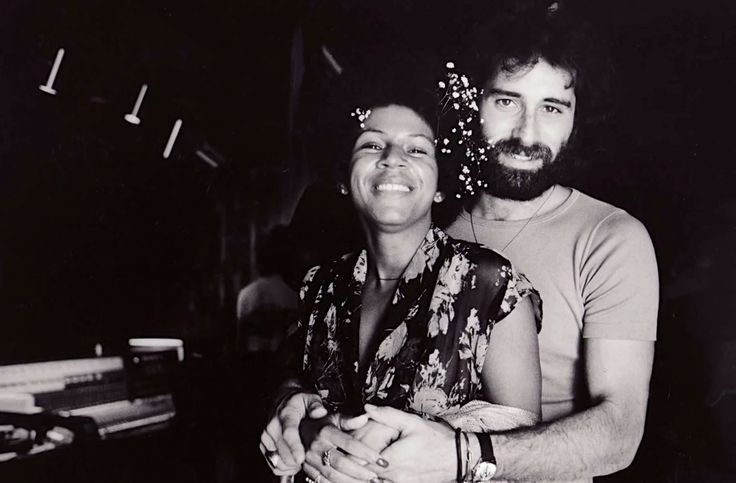
It began at home. Riperton and her husband, songwriter Richard Rudolph, developed the melody around their young daughter, Maya. What would eventually become an international love song began as something intimate—a melody connected to the quiet moments of family life.
That makes the song feel different. Because when Riperton sings, “Lovin’ You,” she isn’t simply giving the world a romantic ballad. She is giving it a glimpse into her own home.
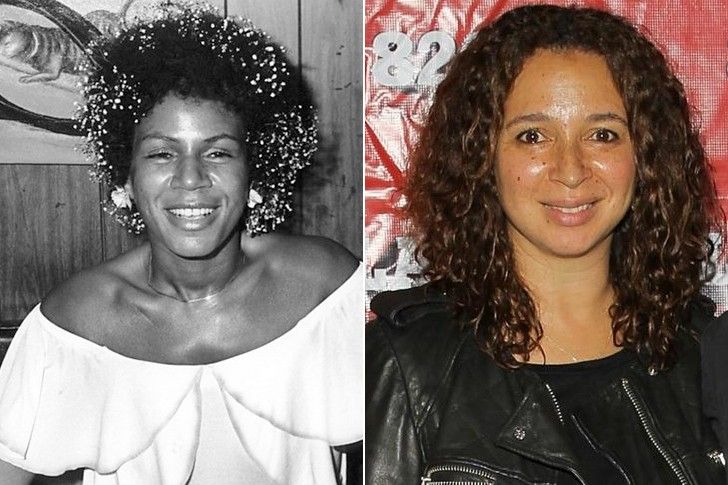
And near the end of the recording, she sings her daughter’s name. Maya. The little girl who would one day become actor and comedian Maya Rudolph.
A Voice That Seemed to Have No Ceiling
There is a reason people still talk about Minnie Riperton’s voice. Her range was extraordinary, spanning roughly five octaves, and her ability to sing in the whistle register became one of the defining features of her sound.
But the technical description doesn’t quite capture what made it special. It wasn’t simply that she could sing high. It was how she sang.
Her highest notes could sound fragile rather than forceful. They could arrive almost unexpectedly, floating above the melody rather than overpowering it.
In “Lovin’ You,” those notes become part of the emotion of the song. They don’t feel like a demonstration. They feel like joy escaping. And that is perhaps why the recording has endured for so long.
Then Came the Diagnosis
In 1976, Riperton’s life took a devastating turn. At just 28, she was diagnosed with breast cancer.
She underwent a mastectomy and continued working despite her illness. She also became a public spokesperson for the American Cancer Society, speaking openly about breast cancer at a time when conversations about the disease were considerably more private.
Her illness became part of the public story, but it did not define the whole of her life. She continued recording. She continued performing. She continued raising her children. She continued living.
There is something deeply moving about that—not because suffering made her remarkable, but because she had already built a remarkable life before cancer entered it.
The Woman Behind the Voice
Away from the stage, Riperton was a wife and mother. She and Richard Rudolph had two children, Marc and Maya. Family was not separate from her music; it was woven into it.
“Lovin’ You” itself grew from that world. Her daughter was not simply the inspiration behind a famous song. She was part of the everyday life from which that song emerged.
And perhaps that is one of the most beautiful ways to understand Minnie Riperton. Not as a distant, untouchable voice. But as a woman who sang, loved, created, married, raised children and dreamed about the future. A woman who had plans beyond the songs the world remembers.
The Years She Should Have Had
Minnie Riperton died on July 12, 1979. She was 31. There is something especially painful about that number because it makes you think not only about what she achieved, but about everything she never had the opportunity to become.
What would her music have sounded like in the 1980s? What would she have recorded in the years that followed? What would she have taught her children? What other songs were still somewhere inside her? We will never know. That is the particular sadness of losing an artist so young. The final chapter arrives before the story feels finished.
A Voice That Refused to Disappear
More than four decades after her death, Minnie Riperton’s voice remains unmistakable.
“Lovin’ You” continues to find new audiences, while songs such as “Les Fleurs,” “Inside My Love” and “Memory Lane” remind listeners that there was an entire body of work behind the song that made her famous. Her music continues to be revisited, sampled and celebrated by new generations.
But perhaps her most enduring legacy is simpler than that. It is the sound of her voice rising. Higher. And higher. Until it almost disappears into the air.
Minnie Riperton lived for only 31 years, but she left behind something that time has struggled to diminish. A voice that could whisper. A voice that could soar. A voice that could make a love song feel like a prayer.
And every time “Lovin’ You” begins, she is there again—not as a memory trapped in the past, but as a woman whose voice somehow continues to reach us across the years.
Minnie Riperton may have left this world too soon, but her voice never learned how to leave.