
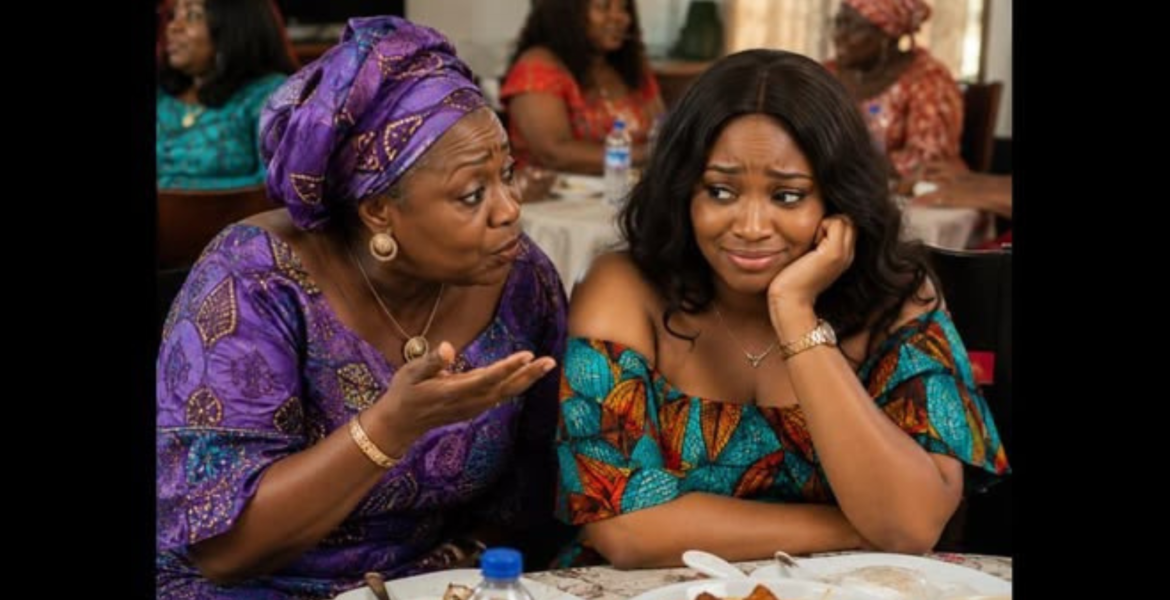
If you are a Ghanaian woman and you have crossed a certain age, chances are you have heard the question.
Not once. Not twice.
“So, when is yours?”
Usually, it comes at somebody else’s wedding.
Prof. Elsie Effah Kaufmann during a TV3 interview recently challenged the idea that every woman must become a wife or biological mother, saying women should make those decisions because they genuinely want them—not simply because society expects them to.
It is a simple point, but one that hits differently in a society where marriage pressure on Ghanaian women can begin long before they are even ready to think about marriage. Because somehow, marriage has become more than a relationship. For many women, it has become a deadline.
“I can’t be a wife”
At 26, Pokua is already certain about one thing: marriage is not for her.
Not now. Not because she has not found the right man. She simply does not see herself as someone’s wife.
For Pokia, marriage means sacrifice. It means being selfless and putting another person’s needs ahead of your own. And she does not believe she is ready for that. She describes herself as selfish and says she worries marriage could hold her back from the life and career she wants to build.
There is also the question of children. For her, becoming a wife and mother could mean making sacrifices for a husband and child that she is simply not prepared to make.
And perhaps that is uncomfortable to hear because women are rarely encouraged to say these things out loud. A woman can say she wants to be a wife and everyone understands.
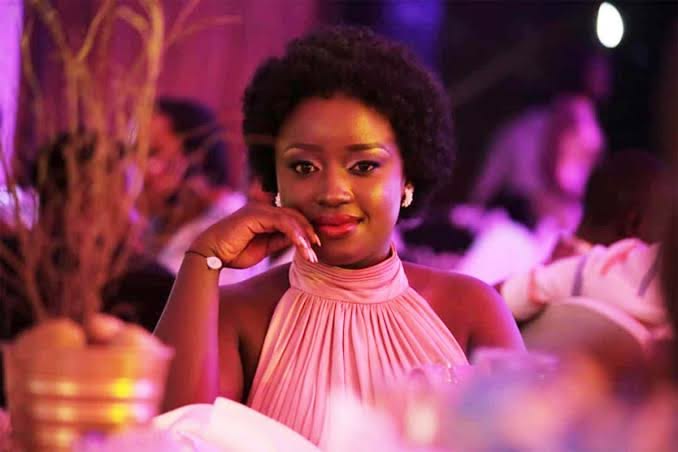
“Marriage is good. But it is not the ultimate.”
Geovanina, a teacher, sees things differently. She wants to get married. For her, marriage is a beautiful thing and there is nothing wrong with wanting a husband and family. But she draws the line at treating marriage as the ultimate achievement for a woman.
And perhaps that is where the conversation needs to go. Because this is not an argument against marriage. It is an argument against the idea that every woman must want marriage.
- There is a woman who has dreamed about her wedding day since she was a little girl.
- There is another who desperately wants to marry but has not met the right person.
- There is the woman who is happily single.
- There is the woman who wants children but is unsure about marriage.
- And there is the woman who has absolutely no idea what she wants yet.
Why must all of them be placed on the same timeline?
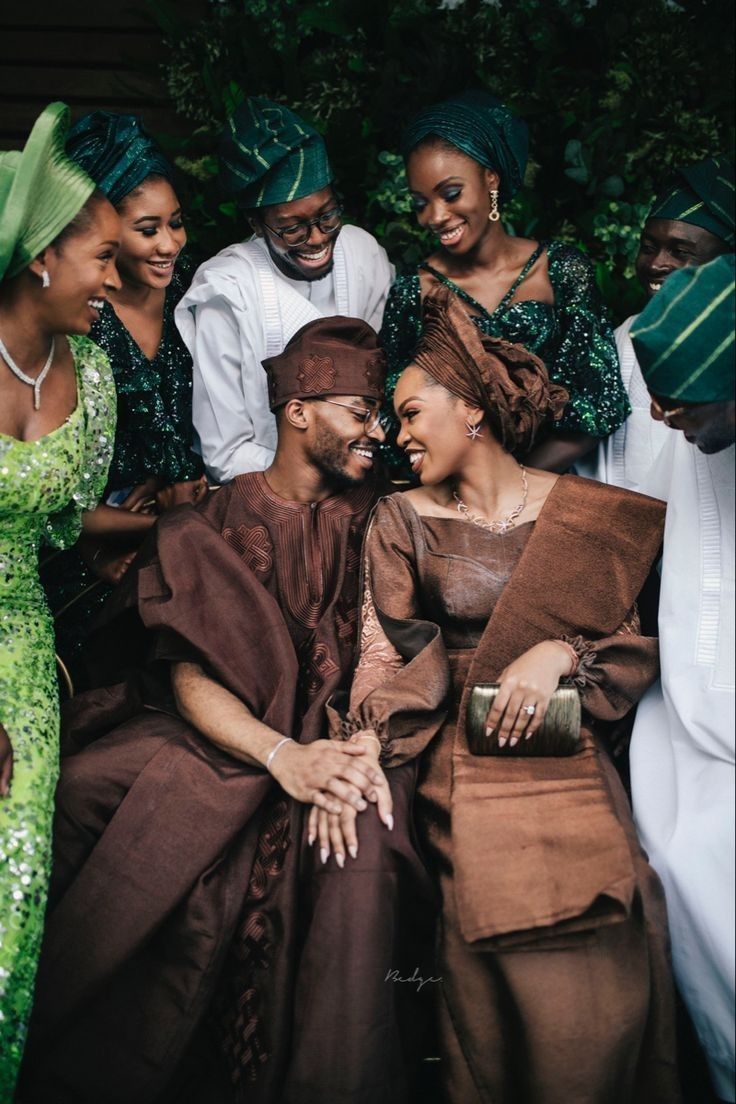
Why Does Everyone Want To Know When You’re Getting Married?
In Ghana, marriage is rarely just about two people.,It is family business. It is tradition. Religion. Community. Expectations.
Which is why a woman’s relationship status can become a topic of discussion at family gatherings before she has even decided whether it is something she wants to discuss.
And then there is age. At 25, people may laugh about it. At 28, the questions become more frequent. At 30, someone may start looking at you with genuine concern.
Suddenly, your career is no longer enough to celebrate on its own. Your achievements are followed by a “but”.
At what point does a woman’s achievement get to simply be an achievement?
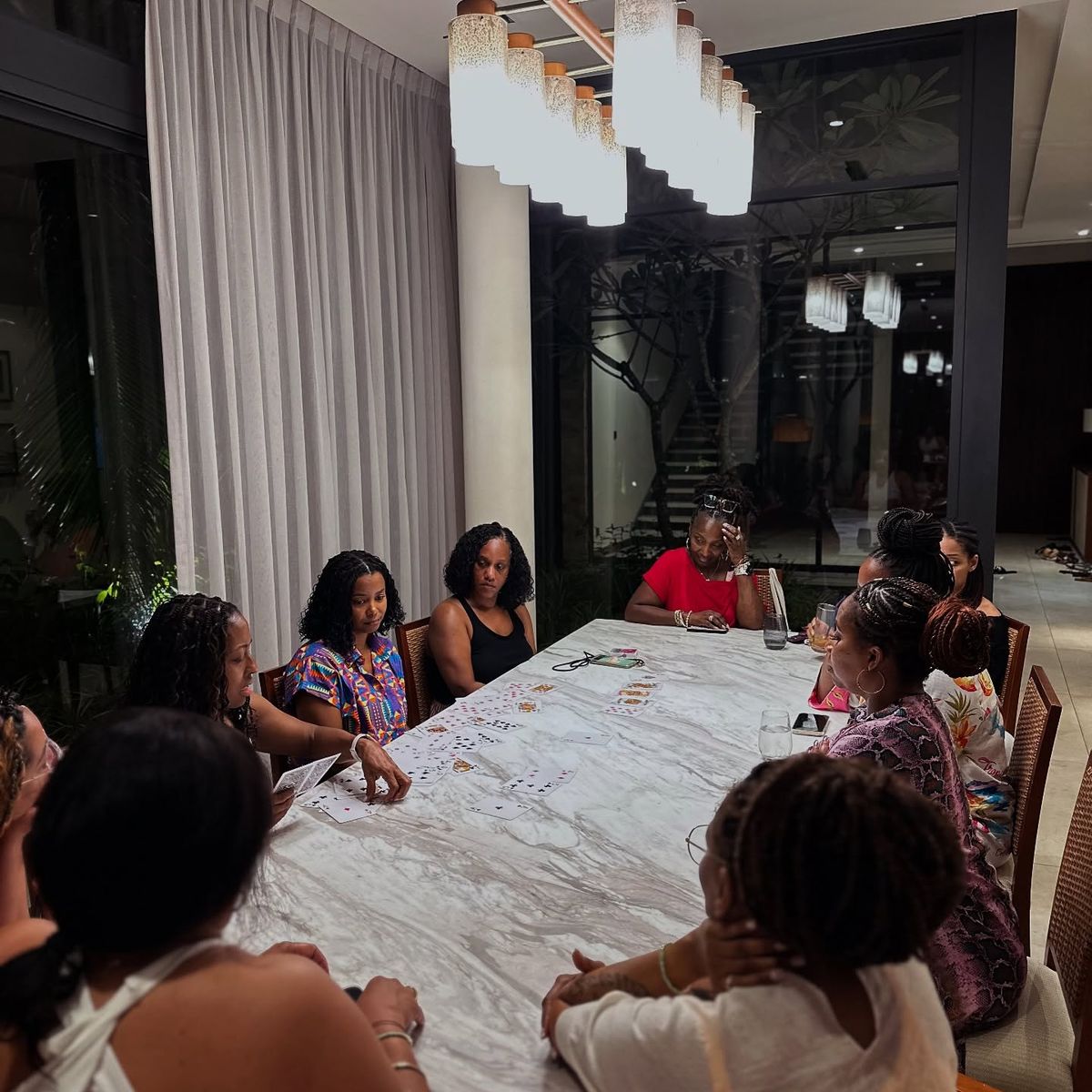
What Is The Final Certificate Of A Woman’s Success?
This is where Prof. Kaufmann’s comments become bigger than marriage. How much does a woman have to accomplish before society stops looking for the husband-shaped gap in her life?
If she becomes a professor, builds a successful company or reaches the highest level of her career, why must marriage still be presented as the final box to tick?
And equally, if a woman genuinely wants marriage and motherhood, why should she have to apologise for that desire in order to be seen as independent?
Wanting marriage does not make a woman less ambitious. And not wanting marriage does not make her incomplete.
Maybe the real issue is not whether Ghanaian women should marry.
Maybe it is why they are so often expected to explain themselves when they don’t. Marriage can be the dream. Motherhood can be the dream. Career can be the dream.
A woman can want all three—or none. The choice should be hers.