

Have you noticed how the word Ozempic seems to be everywhere lately?
From Hollywood red carpets to TikTok and Instagram, the prescription medication has become one of the most talked-about topics in health and wellness. Every time a celebrity appears noticeably slimmer, social media is quick to ask, “Are they on Ozempic?” While some public figures have openly discussed using GLP-1 medications as part of their weight-loss journey, others have become the subject of endless speculation.
With all the buzz, many people are asking the same question: What is Ozempic, and why is everyone talking about it? Beyond the dramatic weight-loss stories, terms like Ozempic face and Ozempic hair have gone viral, leaving many wondering whether they’re genuine side effects or simply social media labels.
What Is Ozempic?
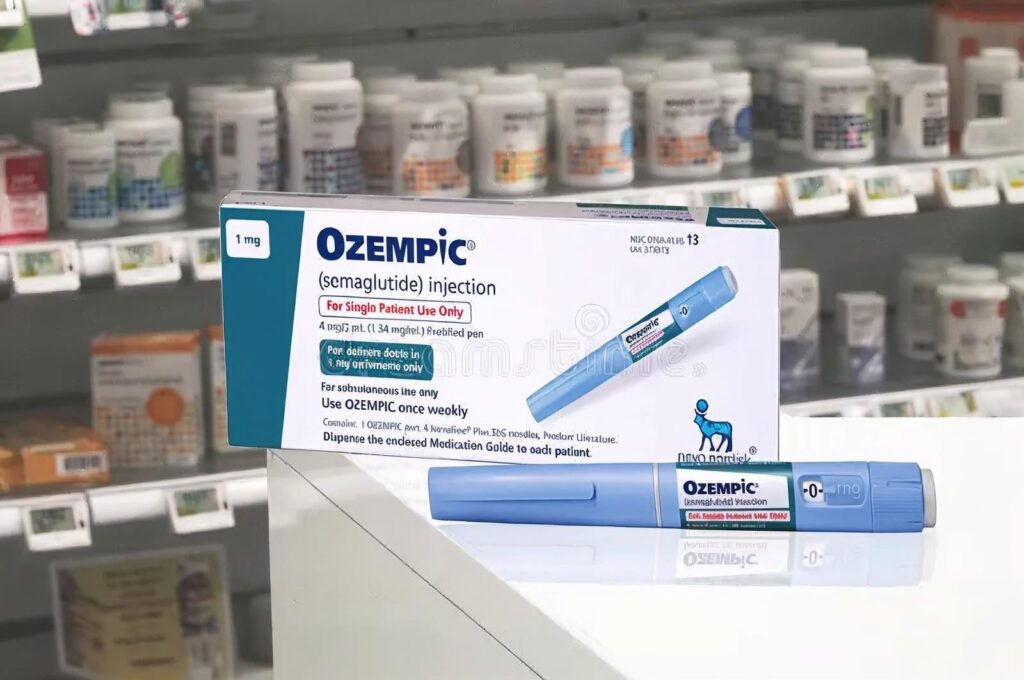
Ozempic is the brand name for semaglutide, a prescription medication approved to help adults with type 2 diabetes manage their blood sugar. It belongs to a class of medicines called GLP-1 receptor agonists, which help regulate appetite, slow stomach emptying and promote a feeling of fullness.
Although Ozempic is approved for treating diabetes, semaglutide has also become widely known because medications in the same drug family are prescribed for chronic weight management under medical supervision.

Why Has Ozempic Become So Popular?
Interest in Ozempic has grown rapidly as more people share dramatic weight-loss transformations online. Public figures such as Oprah Winfrey, Rebel Wilson, Amy Schumer and Sharon Osbourne have openly discussed using GLP-1 medications, helping to fuel public curiosity.
However, healthcare professionals stress that these medications are not cosmetic quick fixes. They are prescription treatments intended for specific medical conditions and should only be taken under the guidance of a qualified healthcare provider.
What Is Ozempic Face?
Despite its name, Ozempic face is not a medical diagnosis.
The term describes facial changes that may occur after rapid or significant weight loss, including:
- Sunken cheeks
- More noticeable wrinkles
- Loose facial skin
- A thinner or gaunter appearance
These changes happen because losing body fat also reduces the fat beneath the skin that gives the face a fuller, more youthful look. Similar changes can occur after bariatric surgery or any significant weight-loss journey.

What Is Ozempic Hair?
Another trending phrase is Ozempic hair.
Some people notice increased hair shedding after losing weight. In many cases, this is linked to rapid weight loss or nutritional changes, not the medication itself. Temporary hair shedding, known as telogen effluvium, often improves once weight stabilises and the body receives adequate nutrition.
Can You Reduce These Side Effects?
Although you may not be able to prevent every appearance-related change, these habits may help support healthy skin and hair during weight loss:
- Aim for gradual, sustainable weight loss.
- Eat a balanced diet rich in protein, iron and essential vitamins.
- Stay well hydrated.
- Include strength training to help preserve muscle mass.
- Protect your skin with sunscreen. Speak to your healthcare provider if you notice excessive hair loss or other concerning symptoms.
Frequently Asked Questions
Is Ozempic approved for weight loss?
Ozempic is approved for treating type 2 diabetes. Some semaglutide medications are approved for chronic weight management, and your healthcare provider can determine which treatment is appropriate.
Does everyone get Ozempic face?
No. Facial changes vary depending on factors such as age, genetics, skin elasticity and how quickly weight is lost.
Is Ozempic hair loss permanent?
Usually not. Hair shedding linked to rapid weight loss is often temporary and improves as the body recovers.
Ozempic has helped many people improve their health, but it isn’t a miracle drug. Like all prescription medications, it offers benefits as well as potential risks and side effects.
The most important thing to remember is that Ozempic face and Ozempic hair are usually linked to rapid weight loss rather than the medication directly.
If you’re considering Ozempic or another GLP-1 medication, don’t rely solely on celebrity stories or viral social media posts. Speak with a qualified healthcare professional to determine whether it’s the right option for you. Sustainable nutrition, regular exercise and healthy lifestyle habits remain the foundation of long-term wellness.
Medical Disclaimer: This article is for informational purposes only and does not replace professional medical advice. Always consult a qualified healthcare provider before starting, changing or stopping any prescription medication