

What if a pop star’s greatest power is not the number of people who will buy a ticket, but what she can build with the crowd that buys one?
That is the more interesting story behind Olivia Rodrigo’s Daisy Chain Fields festival, which raised $10 million for organisations supporting women and girls before philanthropist Melinda French Gates committed another $10 million through Pivotal. The combined $20 million will be divided equally among 10 nonprofit partners.
Rodrigo did not personally donate $20 million. Instead, she created a festival whose financial and cultural machinery was designed to generate support, while Pivotal’s matching commitment doubled the amount raised.
That distinction points to the bigger idea: what happens when pop stardom becomes infrastructure?
The Money Was Built Into the Festival
Daisy Chain Fields was not a conventional benefit concert with a charitable appeal attached at the end.
Every participating artist performed without a fee, and 100 per cent of the festival’s net proceeds were committed to its nonprofit partners. The festival also created Daisy Chain Reaction, allowing fans to meet organisations and learn about the issues their work addresses.
The 10 beneficiaries are Baby2Baby, Black Mamas Matter Alliance, Center for Reproductive Rights, FreeFrom, Jhpiego, Johns Hopkins Center for Indigenous Health, National Domestic Workers Alliance, National Institute for Reproductive Health, National Women’s Law Center and Planned Parenthood. Each will receive an equal share of the $20 million—effectively $2 million apiece.

That range matters. The money reaches work spanning reproductive healthcare, maternal health, economic security, domestic violence prevention, Indigenous health, childcare and legal advocacy.
Rather than choosing one cause, Rodrigo built a network around the interconnected realities of women’s lives.
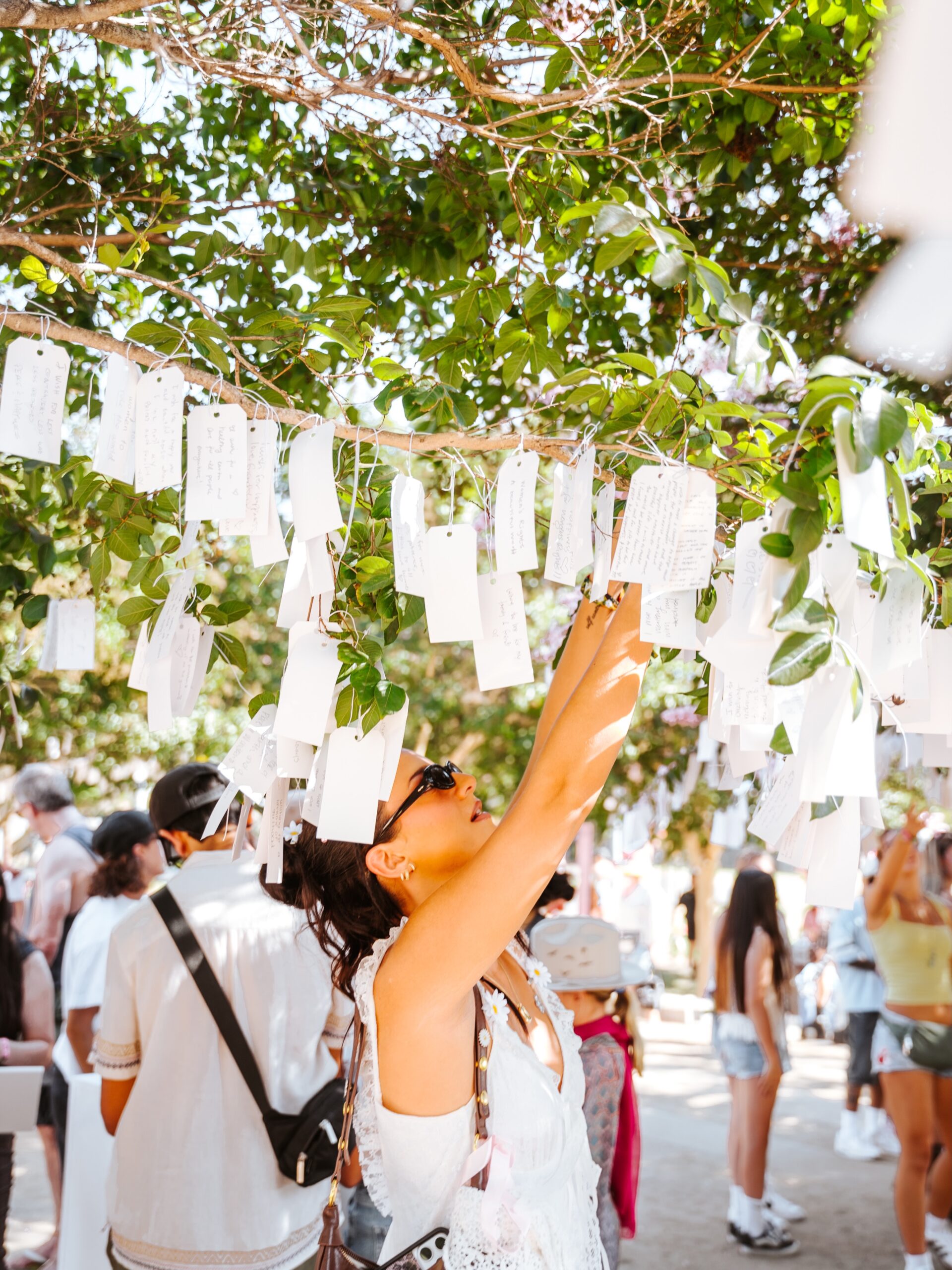
Daisy Chain Fields Picks Up Where Lilith Fair Left Off
The festival carries a clear connection to Lilith Fair, Sarah McLachlan’s pioneering women-led music festival of the 1990s.
Lilith Fair was created partly in response to the music industry’s belief that audiences would not accept female artists being booked consecutively. Between 1997 and 1999, it raised $10 million for charity.
Daisy Chain Fields takes that old argument—women can fill a stage and draw an audience—and updates it for a generation that expects culture to connect with action. Its audience could move from watching Chappell Roan, Mitski or Bikini Kill to learning about reproductive rights, Black maternal health or workplace protections without leaving the festival grounds.
That is the Gen Z shift: representation is not the destination. Access, participation and tangible impact are part of the experience.

Why Doechii Belongs in This Story
Doechii’s presence also helped expand what a women-led music festival can sound like.
A rapper with a distinctly hip-hop audience appeared alongside punk pioneers Bikini Kill, rock acts such as Garbage and pop stars including Roan and Rodrigo. That matters because women’s collective power in music cannot be reduced to one genre or generation.
Doechii helped place a younger, genre-crossing audience inside a festival whose purpose extended beyond music. In doing so, Daisy Chain Fields made its feminist proposition feel contemporary rather than nostalgic.
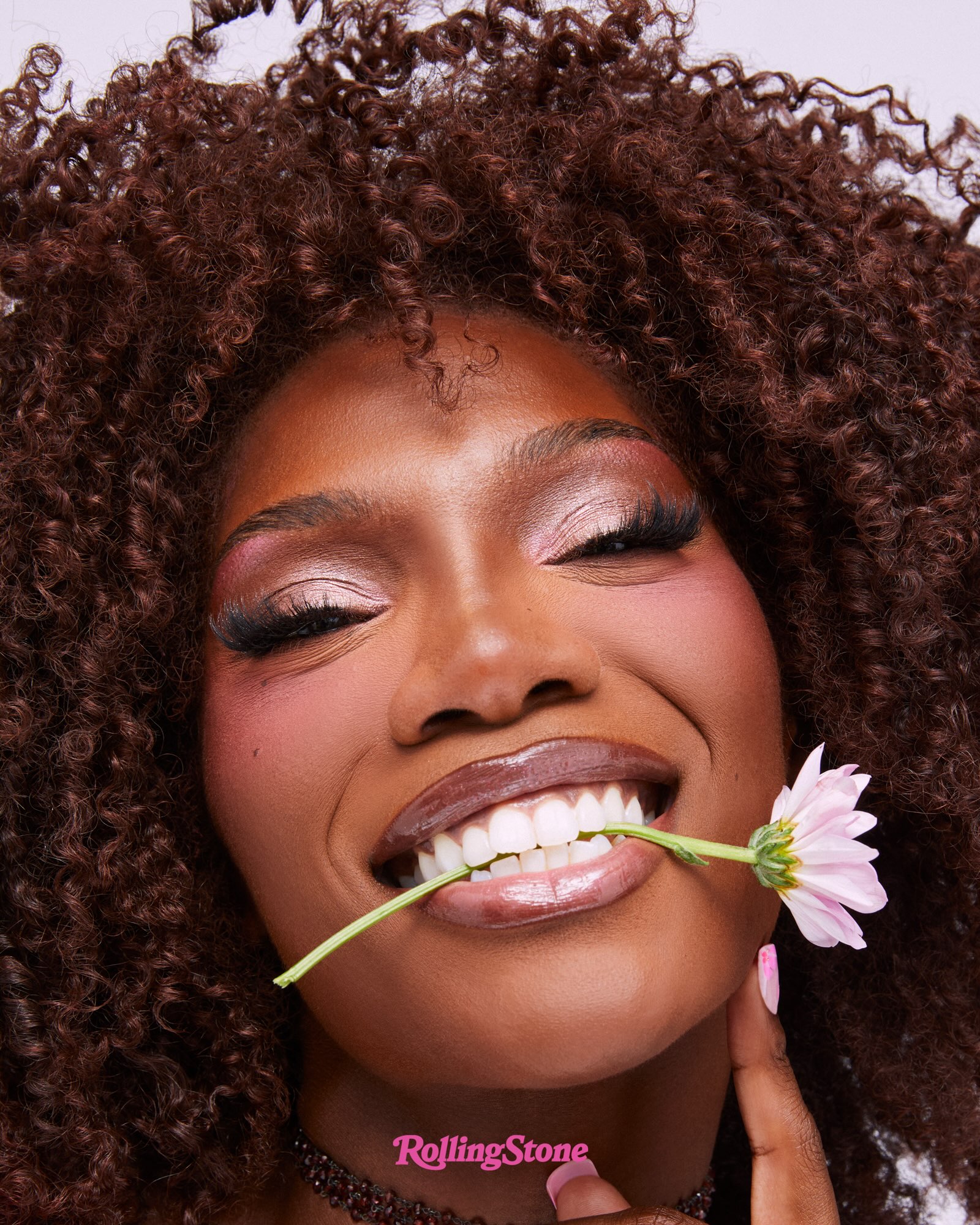
Black Maternal Health Is Part of the Infrastructure
The Black Mamas Matter Alliance gives that proposition particular weight.
The organisation works to ensure Black mothers have the rights, respect and resources to thrive before, during and after pregnancy. Its inclusion means the festival’s broad language around women’s wellbeing is connected to a specific movement addressing racial inequities in maternal health. That is what makes the beneficiary list more than a collection of worthy names. These organisations already possess the expertise, relationships and advocacy infrastructure. Daisy Chain Fields supplies something they cannot manufacture as easily: a massive cultural audience and the attention that comes with it.
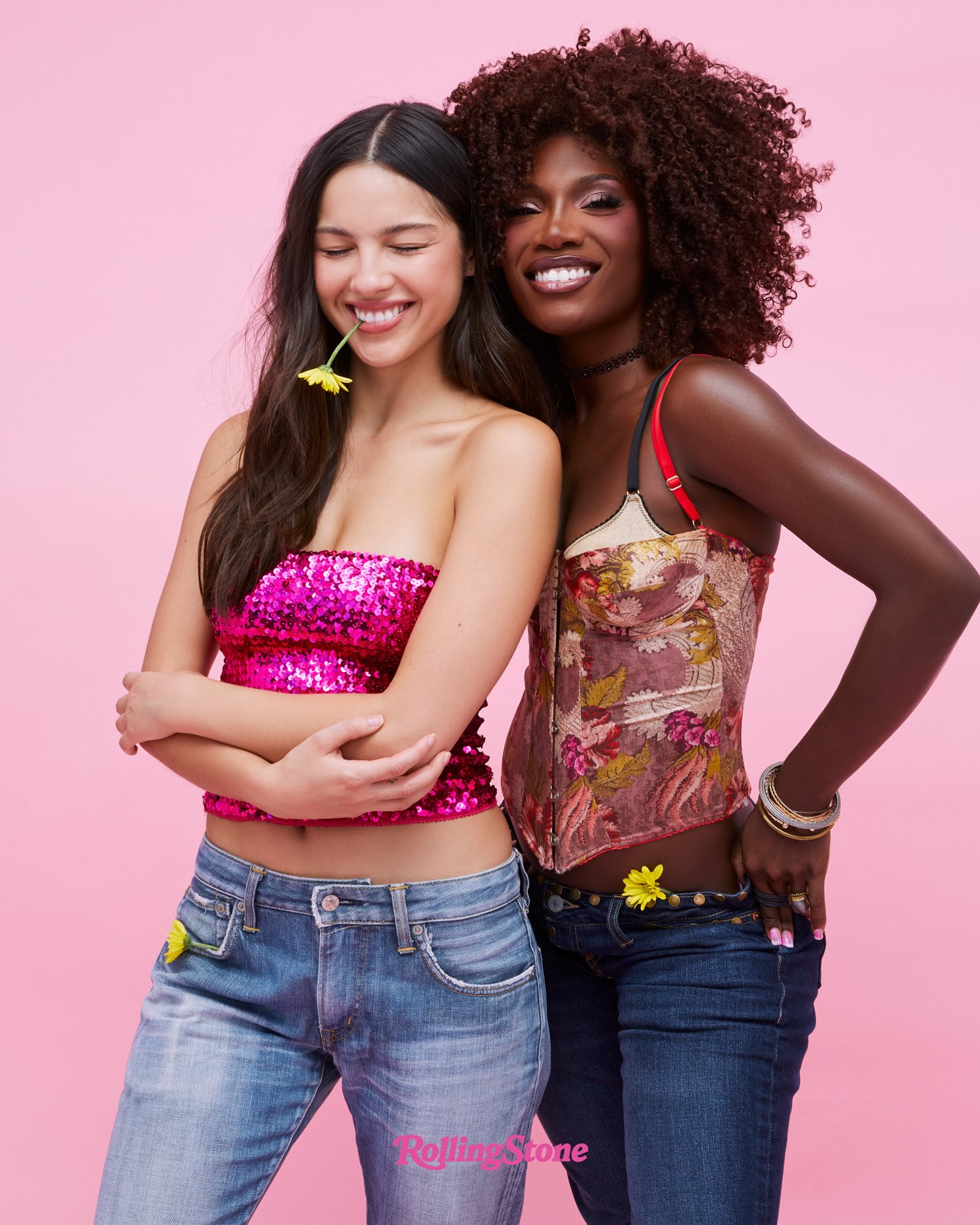
When Fandom Becomes a Funding Engine
This may be the most consequential idea Daisy Chain Fields introduces.
Rodrigo brings the audience. Artists contribute their labour. Fans buy into the experience. Nonprofits bring expertise. Philanthropy multiplies the financial return.
Put together, those elements turn celebrity influence into a system for moving resources.
The $20 million is impressive. But the more important question is whether Rodrigo has created a model that can last.
If Daisy Chain Fields returns, its legacy will not simply be another big festival or another big cheque. It will be whether pop stars can consistently transform fandom into funding, visibility into participation and a moment in popular culture into something that continues working long after the last song ends.