
There is a version of African pop culture that feels beautifully borderless.
Amapiano moves through Lagos clubs. Afrobeats fills Johannesburg festivals. Ghanaian TikTok creators dance to South African sounds before breakfast. Nigerian stars sell out London, South African artists break America, and fans across Accra, Nairobi, Lagos and Cape Town argue over lyrics, choreography and award snubs like we all belong to the same giant group chat.
Then a real crisis happens, and the dream gets tested.
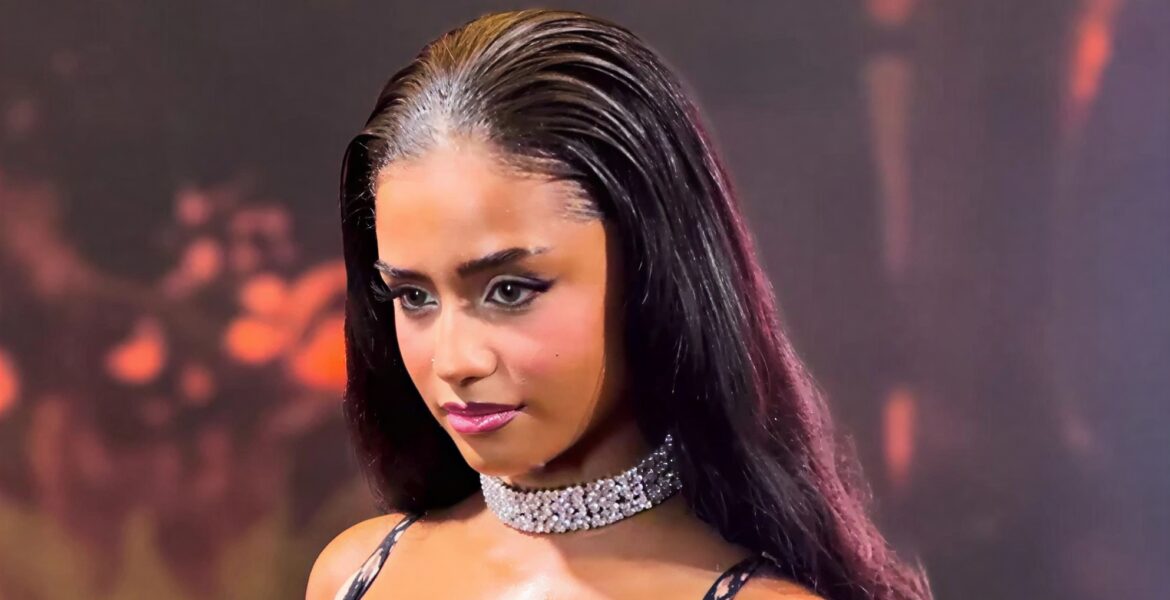
That is the tension around Tyla right now. The South African pop star has become one of Africa’s most visible global music exports, but her name has also been pulled into a painful continental conversation about xenophobia, migration, celebrity responsibility and what “African unity” means when actual Africans are being forced to leave another African country.
In a video circulating on Instagram, Tyla is seen saying she prays “one day to see a unified Africa.”
On its own, the sentiment is beautiful. It is the kind of line any pan-African audience would normally want to applaud.
But context changes everything.
Tyla’s remark comes after a difficult period in which renewed anti-foreigner violence in South Africa has forced African governments to evacuate citizens. Ghana’s Foreign Minister, Samuel Okudzeto Ablakwa, said Ghana had evacuated more than 1,000 nationals from South Africa, with 926 returning on chartered flights between May 27 and June 7 before a second phase began in late July.
So, no, this is not just a fan-war. It is not just Nigeria versus South Africa on X. It is not celebrity gossip wearing political clothes. People have packed bags, boarded evacuation flights, left jobs, left homes and returned to countries they may not have planned to return to.
That is the human weight behind the entertainment headline.
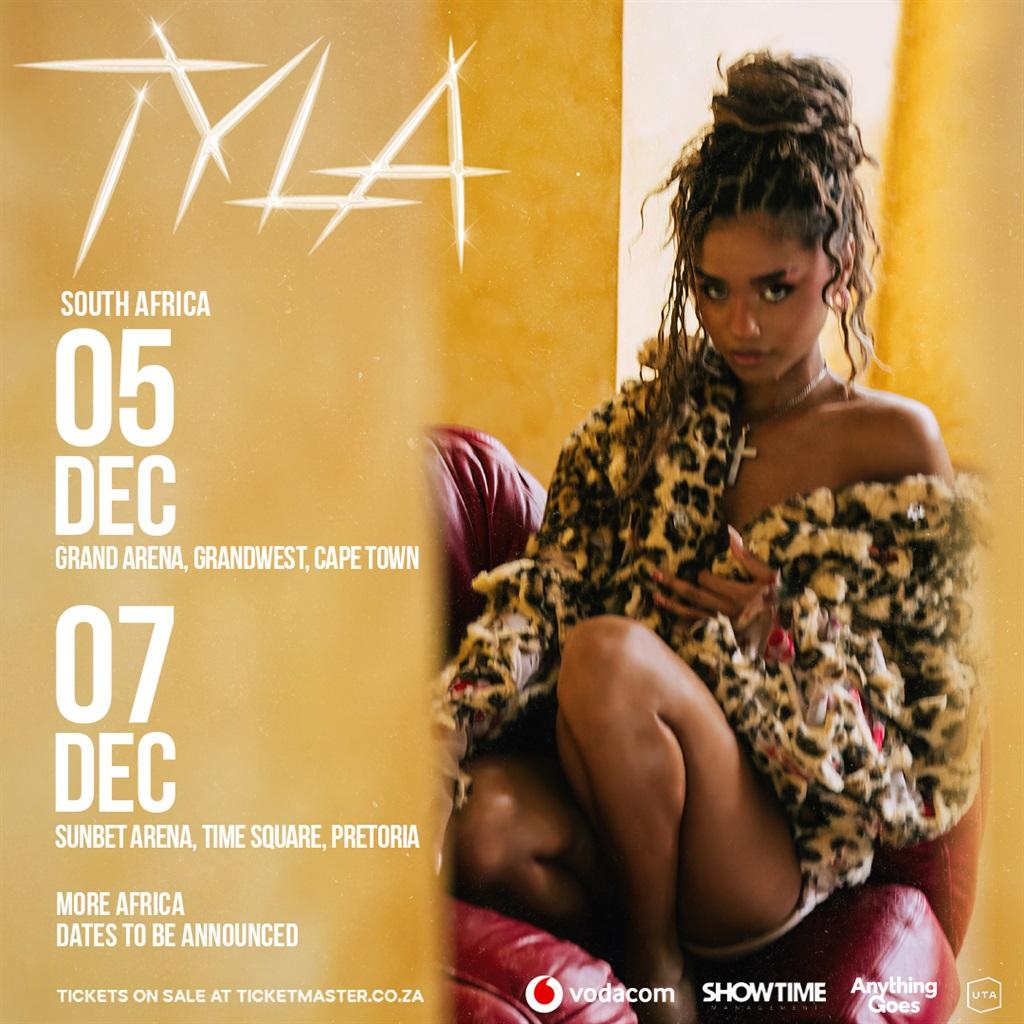
Tyla entered the centre of the conversation when Lagos disappeared from her A*POP World Tour schedule after boycott calls from some Nigerians. Punch reported that her Lagos stop, previously announced for December 22, was no longer listed on the tour schedule after criticism linked to renewed xenophobic attacks against Nigerians in South Africa. The same report noted that neither Tyla nor her management had publicly explained why Lagos was removed.
That distinction matters. We should not say Tyla removed Lagos because of the xenophobia controversy unless she or her team confirms it. What we can say is that Lagos disappeared after the controversy intensified, and the absence quickly became part of the public conversation, whether she intended it to or not.
This is where the cultural question begins.
African musicians increasingly build careers on continental love. They borrow across sounds, markets and fan bases. They perform in each other’s countries, collaborate across borders, trend across regions and benefit from a pan-African audience emotionally invested in seeing African talent win globally.
But if an artist benefits from the dream of “One Africa,” what happens when that dream is interrupted by violence?
Some fans argue that visibility creates responsibility. Their point is simple: if African stars can celebrate African unity when it is convenient, they should not disappear when African people are in danger.
A statement from Tyla would not solve xenophobia. It would not rewrite South African immigration policy. It would not heal years of tension between communities. But to affected fans, silence from a major South African star can feel like indifference, especially when the same star is asking those fans to buy tickets, stream music and participate in her global rise.
Still, the counterargument deserves serious attention: Tyla is a musician, not the South African government.
She did not create South Africa’s unemployment crisis. She is not responsible for vigilante violence. She does not control police responses, immigration policy or diplomatic negotiations. During the Lagos backlash, Omoyele Sowore urged Nigerians not to direct their anger at Tyla, arguing that political leaders, not artistes, should be held accountable.
That point is uncomfortable but important. If we turn every artist into a stand-in for their nation’s failures, we risk demanding the most from people with the least institutional power. There is also the risk of asking young female stars to become graceful ambassadors, moral teachers, crisis communicators and entertainers all at once.
But there is a middle ground between “Tyla owes everyone an apology” and “Tyla owes nothing at all.”
Maybe African stars cannot solve political crises, but they can acknowledge the pain of the people who helped make them continental stars. They can reject xenophobia without pretending to be diplomats. They can remind fans that music should never become a shield for silence.
And Ghana must be part of this conversation, because Ghanaian readers are not watching from outside the story.
The stakes became painfully clear when Bashiru Isak, a 40-year-old Ghanaian father of three, was killed in Khayelitsha, Cape Town, during anti-immigrant demonstrations linked to xenophobic attacks. Ghana’s Ministry of Foreign Affairs later confirmed that his remains had been repatriated home and said the government continued to demand investigation and prosecution.
That detail matters. It reminds us that “xenophobia” is not only a word used in headlines and hashtags. It is also families losing fathers, communities losing livelihoods, and citizens returning home with lives interrupted.
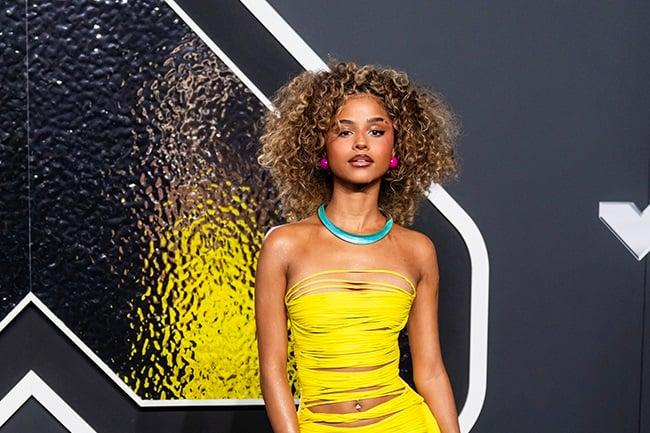
So when we talk about African unity, we cannot reduce the issue to a Nigeria-South Africa internet fight. Ghanaian citizens have also been affected. Ghanaian audiences also stream South African music, dance to amapiano, follow Tyla and participate in the same continental pop culture ecosystem.
Tyla’s situation reveals the new pressure facing Africa’s global stars. Whether they like it or not, the continent’s biggest stars increasingly function like unofficial cultural ambassadors. Their music crosses borders faster than governments can repair relationships. Their silence can be interpreted, their statements can be dissected, and their tour schedules can become symbols.
That may be unfair. It may also be inevitable.
“One Africa” cannot only mean shared choreography, shared playlists and shared award-stage applause. It must also mean refusing to look away when Africans are unsafe in African countries.
Tyla is not responsible for South Africa’s xenophobia crisis. But as one of the continent’s brightest young stars, she is part of the cultural imagination that asks Africans to see one another as connected.
That connection is beautiful when it sells out shows. It must also matter when fans are grieving, angry and afraid.
The real test of African unity is not whether we can dance to the same song.
It is whether we still hear one another when the music stops.