
Ghana is preparing to launch a domestic care economy programme in 2027 that the government says could create nearly 100,000 jobs for young people.
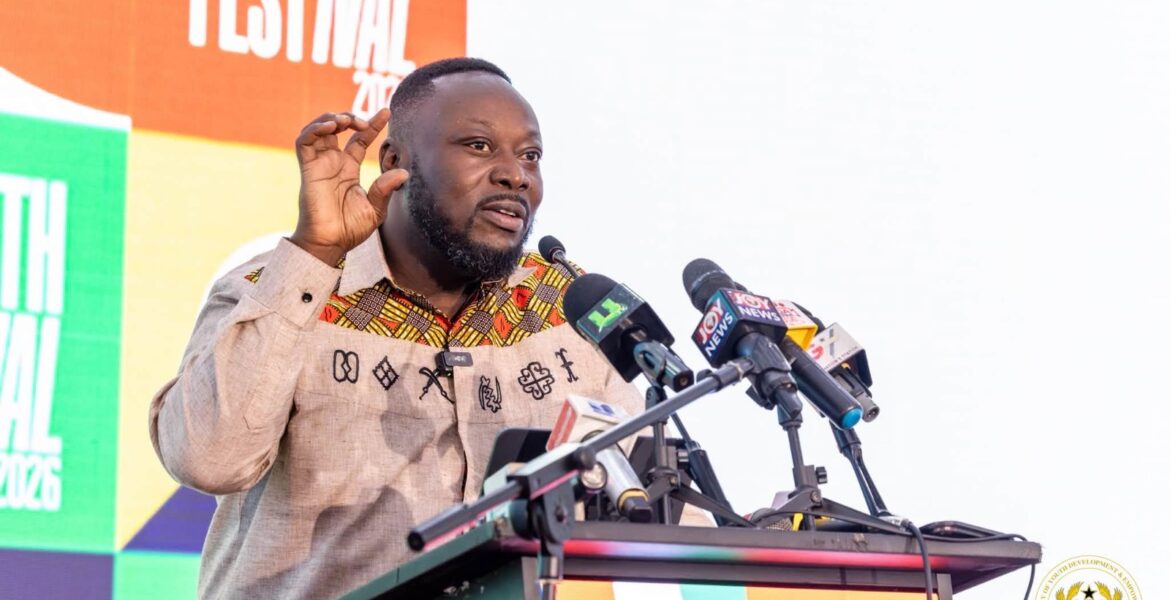
The announcement was made by Youth Development and Empowerment Minister George Opare-Addo, who said the programme will form part of the government’s wider efforts to tackle youth unemployment and create decent, sustainable employment opportunities.
While the figure is significant on its own, the programme could have particular implications for women. Care work has traditionally been associated with women, both inside and outside the home, yet much of that work remains unpaid, informal or poorly valued.
What exactly is the care economy?
The term care economy covers a broad range of paid and unpaid activities that support people’s wellbeing. This can include childcare, care for older people and people with disabilities, healthcare, education, domestic work and other forms of personal and social support.
The International Labour Organization describes the care economy as encompassing both paid and unpaid care work delivered through households, public institutions, private businesses and other organisations.
That makes Ghana’s announcement potentially much broader than simply creating another category of jobs. If properly structured, it could help formalise work that already happens every day in homes and communities.

Why this matters for women
For many women, care is already a full-time responsibility—whether or not they receive an income for it.
Globally, women and girls spend around 16 billion hours every day on unpaid care work, according to UN Women. Women also perform more than three-quarters of unpaid care and domestic work worldwide.
The consequences extend beyond the home. When women spend significant portions of their time caring for children, older relatives, people who are sick or people with disabilities, they may have less time available for paid employment, education, business and professional advancement.
This is why investment in care is increasingly being discussed as an economic issue, rather than simply a social one.
UN Women estimates that investment in care could potentially create 300 million jobs globally by 2035, while also helping to reduce the unequal burden of unpaid care work.
For Ghanaian women, therefore, the proposed programme could represent an opportunity—not only to access employment as care workers, but potentially to benefit from a system that makes it easier for other women to participate in the workforce.
But the details matter
The government’s announcement provides the headline figure, but many of the details that potential applicants will want to know have not yet been made public.
For instance, it is not yet clear exactly which occupations will fall under the programme, what qualifications applicants will need, whether participants will receive formal training or certification, or what salaries and working conditions will look like.
It is also not yet clear how recruitment will work, when applications will open or whether the programme will include opportunities for Ghanaians seeking care-related employment abroad.
These details will ultimately determine whether the programme delivers decent work or simply creates a large pool of low-paid care workers.
That distinction matters because women already make up the majority of paid care workers globally, while care-related jobs can be undervalued and insecure.