

The female body undergoes constant hormonal changes throughout the menstrual cycle. These fluctuations influence everything from ovulation and fertility to mood, skin, energy levels and reproductive health.
Because hormones regulate many of the same processes affected during ovulation, it is common for women to mistake certain symptoms as signs that they are in their fertile window when they may actually be experiencing hormonal fluctuations.
Understanding the difference between normal ovulation symptoms and possible signs of hormonal imbalance can help women better interpret changes in their bodies and know when medical advice may be necessary
What happens during ovulation?
Ovulation occurs when the ovary releases a mature egg, usually around the middle of the menstrual cycle. This process is controlled by a complex interaction between reproductive hormones, including oestrogen, luteinising hormone (LH) and progesterone.
During this period, some women notice physical changes caused by these hormonal shifts. Common ovulation symptoms may include:
- Changes in cervical mucus, which may become clear, slippery and stretchy
- Mild pelvic discomfort or cramps
- Increased sexual desire
- Slight changes in basal body temperature
- Breast tenderness
- Subtle changes in mood or energy levels
However, experiencing these symptoms does not always confirm that ovulation is occurring. Similar symptoms can appear when hormones fluctuate for other reasons.
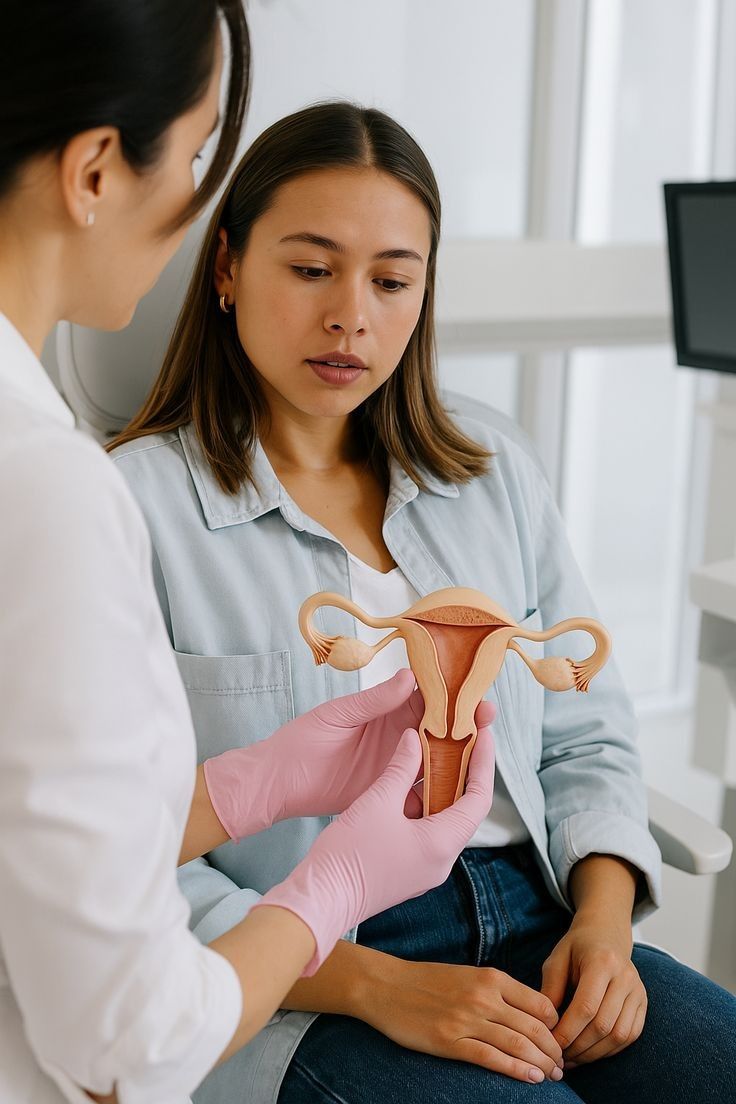
Symptoms women often mistake for ovulation
Breast tenderness and sensitivity
Breast tenderness is often associated with ovulation because rising oestrogen levels can affect breast tissue. However, breast discomfort can also occur before menstruation or during periods of hormonal imbalance.
Changes in progesterone and oestrogen levels, stress, certain medications and hormonal contraception can all influence breast sensitivity.
If breast pain is persistent, severe or occurs outside your usual cycle pattern, it is important to seek medical evaluation.
Mood changes and emotional fluctuations
Some women experience increased confidence, improved mood or heightened libido around ovulation due to hormonal changes.
However, frequent mood swings, irritability, anxiety, low mood or emotional changes that occur throughout the cycle may indicate that hormones are fluctuating irregularly.
Conditions such as premenstrual disorders, thyroid problems and other hormonal disturbances can also affect mood regulation.
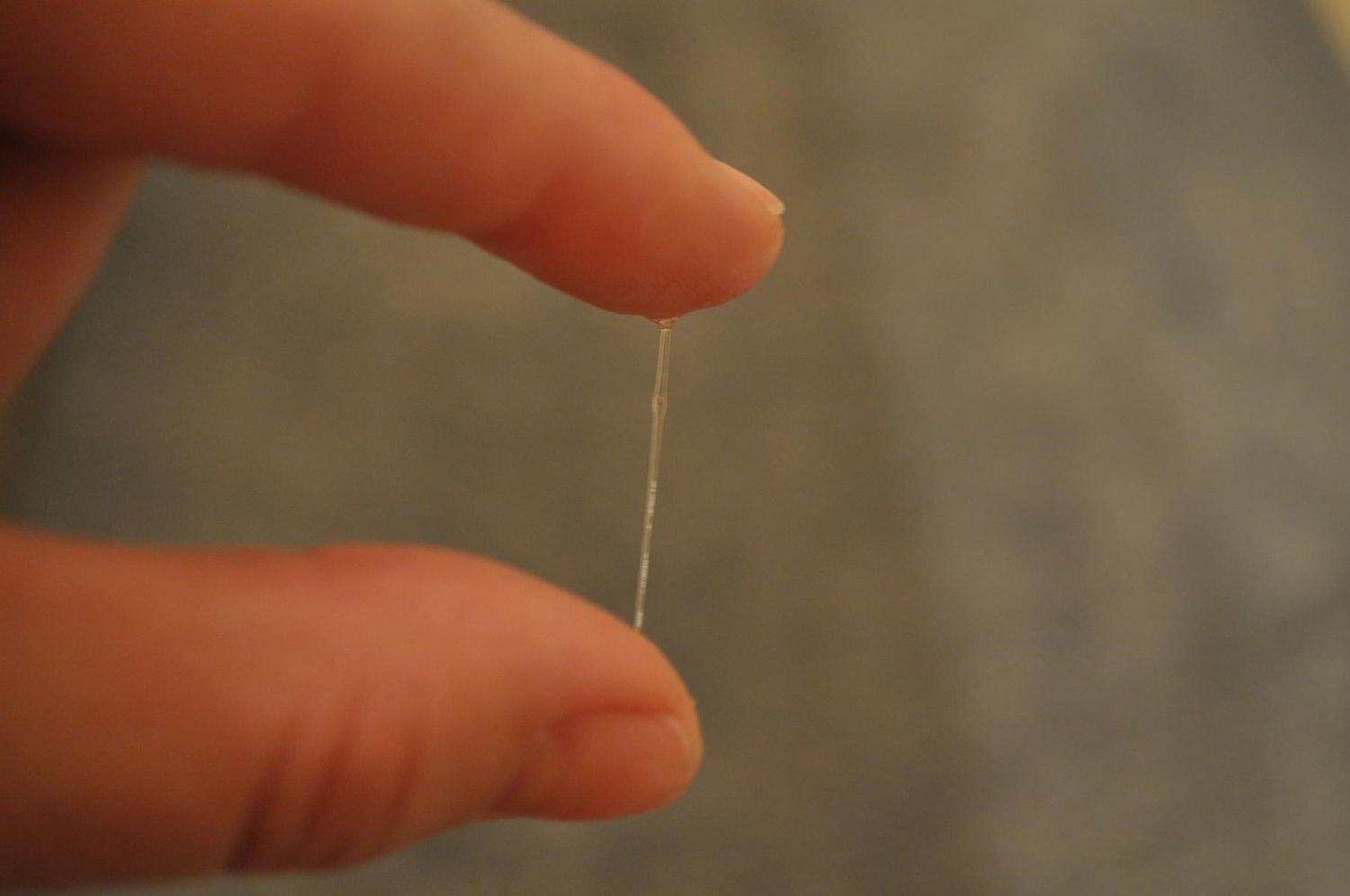
Changes in vaginal discharge
Cervical mucus changes are among the most reliable natural indicators of approaching ovulation. As oestrogen rises before ovulation, cervical mucus typically becomes thinner and more favourable for sperm movement.
However, not every change in vaginal discharge is related to fertility. Hormonal changes, infections, medications and vaginal health conditions can also alter discharge.
A change accompanied by itching, irritation, unusual smell or discomfort should be assessed by a healthcare provider.
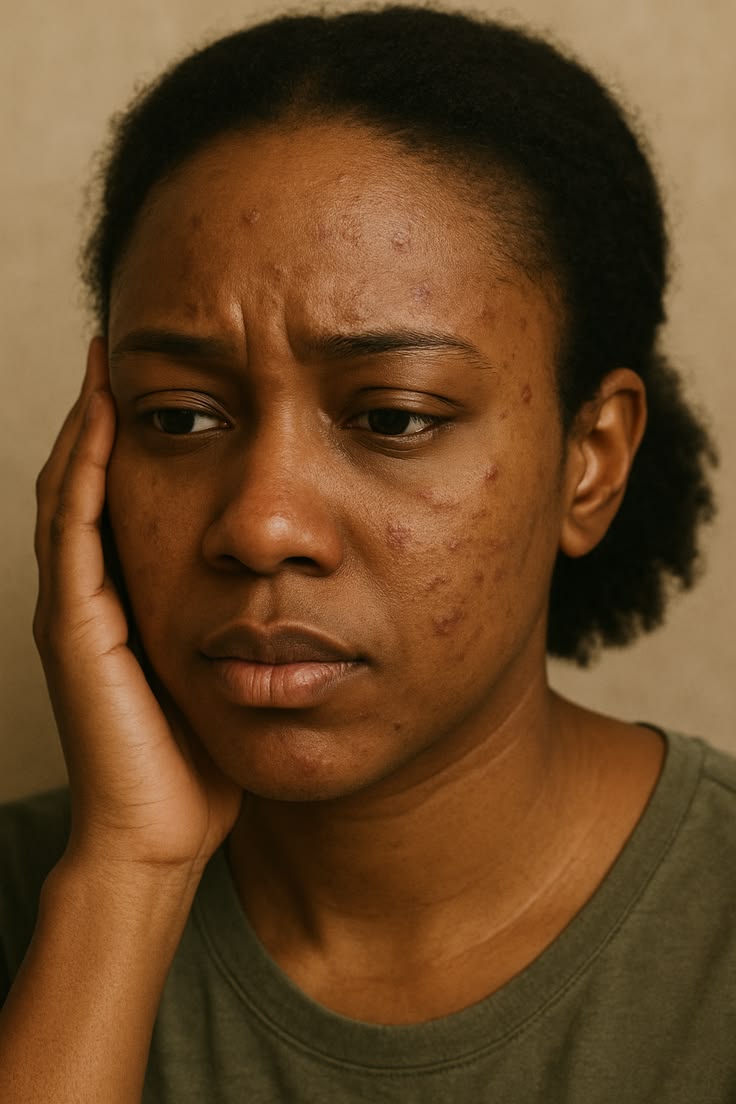
Acne and changes in skin condition
Hormones play an important role in skin health. Fluctuations in androgen hormones, oestrogen and progesterone can influence oil production and contribute to breakouts.
While some women notice skin changes around ovulation, persistent hormonal acne, especially around the jawline and chin, may be linked to underlying hormonal changes rather than ovulation itself.
Bloating and changes in weight
Mild bloating can occur during different phases of the menstrual cycle due to hormonal effects on fluid balance and digestion.
However, ongoing bloating, unexplained weight changes or significant swelling may not be related to ovulation and may require further assessment.

Fatigue and changes in energy levels
Hormonal fluctuations can influence energy, sleep and concentration. Some women feel more energetic around ovulation, while others may experience tiredness.
Persistent fatigue, regardless of where a woman is in her cycle, may be associated with factors such as stress, nutritional deficiencies, thyroid dysfunction or other hormonal issues.
How to tell the difference between ovulation symptoms and hormonal imbalance
The key difference is usually the pattern and consistency.
Ovulation symptoms tend to:
- Occur around the same time each menstrual cycle
- Last for a short period
- Follow a predictable pattern
Possible hormonal imbalance symptoms may:
- Occur unpredictably
- Persist for longer periods
- Become more intense over time
- Affect menstrual regularity, fertility, skin, mood or overall wellbeing
Some signs that may suggest a hormonal imbalance include irregular periods, very heavy or missed periods, persistent acne, excessive hair growth, unexplained weight changes, severe mood changes or difficulty conceiving.
Why tracking your menstrual cycle matters
Understanding your cycle can help you identify what is normal for your body. Tracking symptoms such as cervical mucus changes, menstrual patterns, mood changes and physical symptoms can provide useful information for both personal awareness and discussions with healthcare professionals.
However, symptom tracking alone cannot diagnose hormonal conditions. Medical evaluation, including hormone testing or other investigations, may be needed when symptoms are concerning.
Ovulation is a natural process controlled by carefully balanced hormones, but not every hormonal symptom is a sign of fertility. Because many reproductive and hormonal changes overlap, it is important to look at patterns rather than isolated symptoms.
Recognising the difference between normal cycle changes and possible hormonal imbalance allows women to better understand their reproductive health and seek support when needed.