
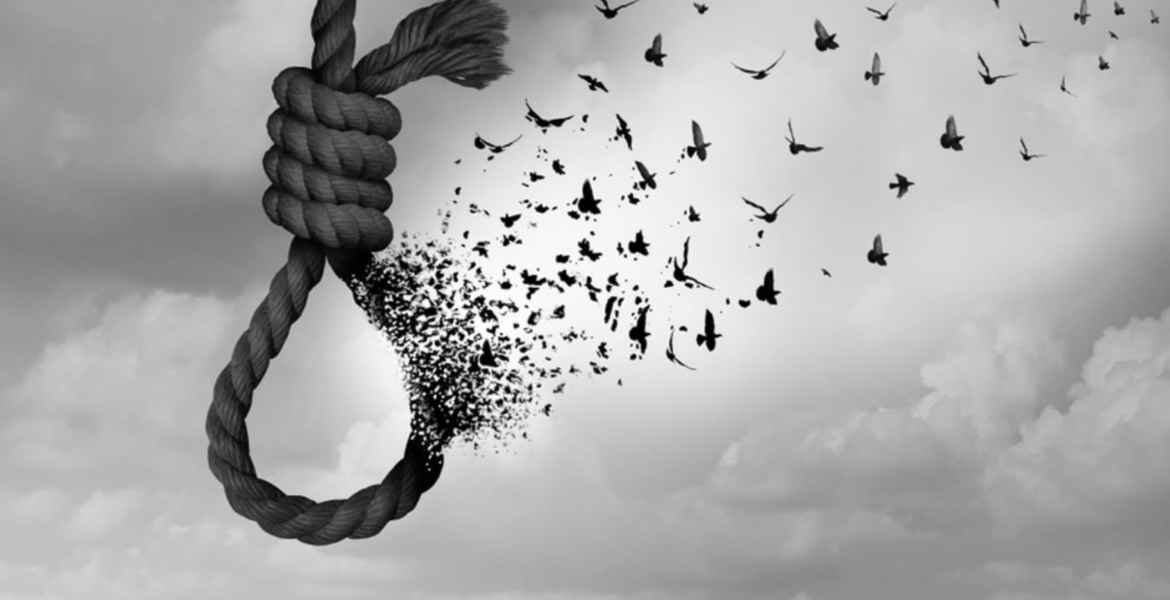
In the newly released Ghana suicide report women emerge as a critical demographic requiring targeted, compassionate clinical intervention. Released this September by the Ministry of Health and the Mental Health Authority Ghana, the National Suicide Analysis Report brings a sobering, deeply human reality out of the shadows. The data confirms a complex gender paradox: while men account for a higher number of suicide deaths, women record a significantly higher rate of non-fatal suicide attempts.
For a long time, public conversations around psychological crises in Ghana have been clouded by cultural silence, spiritual misunderstandings, and heavy stigma. However, looking clearly at this data is the first necessary step toward saving lives and reforming care. What do these numbers actually tell us about women suicide attempts Ghana? More importantly, if a woman is in the grip of overwhelming emotional distress today, what practical, judgment-free mental health support Ghana is actually available to help her navigate the crisis?
To make sense of the findings, we must listen to the clinicians working on the frontlines of psychiatric care. Speaking at the official launch of the report in Accra—an event marking World Suicide Prevention Month under the theme “Changing the Narrative on Suicide”—psychiatrist Dr. Kwadwo Marfo Obeng provided crucial context. He confirmed that the Ghanaian data perfectly aligns with global clinical trends: women are more likely to attempt to end their lives, but men record higher mortality rates from suicide.
Dr. Marfo Obeng attributed this disparity largely to the different methods employed during moments of acute psychological crisis. Men generally resort to highly lethal means that leave almost no time for medical intervention. Women, conversely, tend to use methods that, while extremely dangerous and physically traumatic, often present a slightly wider window for emergency responders, friends, and families to intervene and provide life-saving medical care.
However, health professionals emphasize a strict guardrail when interpreting this specific data: higher attempt rates absolutely do not mean Ghanaian women are inherently “more suicidal,” emotionally fragile, or less resilient. Instead, psychiatrists urge us to look at the heavy socio-economic associations driving this distress. Women in Ghana carry immense, disproportionate, and often invisible burdens. The silent weight of the “Superwoman” expectation, the prevalence of intimate partner violence, severe financial dependency, and untreated postpartum depression are heavily associated with severe psychological distress.
We must carefully distinguish association from simplistic causation. A financial deficit or a difficult marriage does not directly “cause” a suicide attempt in a straight line. Suicidal ideation is fundamentally a complex health crisis. However, when these severe systemic stressors compound day after day without an accessible emotional outlet or structural support, they can slowly push a woman’s psychological coping mechanisms to an absolute breaking point.
The Post-Decriminalization Reality
For decades, the single biggest barrier to effective suicide prevention Ghana was the state apparatus itself. Until very recently, surviving a suicide attempt was classified as a criminal offense under the 1960 Criminal Code. This created a devastating, counterproductive reality: a woman who survived a severe mental health crisis was met with the very real threat of police prosecution rather than psychiatric care. Families would actively hide attempt survivors from the formal healthcare system to protect them from arrest, effectively cutting them off from the exact clinical therapy they desperately needed to survive.
That archaic legal barrier was officially repealed in 2023. Dr. Eugene Kobla Dordoye, Chief Executive Officer of the Mental Health Authority, welcomed the impact of this repeal during the report’s launch, noting that the legislative reform has fundamentally shifted the national approach from punishment to compassion.
Today, the operational reality has changed. If a woman is rushed to an emergency room following an attempt, the clinical protocol demands medical stabilization and comprehensive psychiatric assessment, not a police report. This legal shift has created a vastly more supportive environment, allowing individuals to speak openly about their experiences and seek professional assistance without the paralyzing fear of the justice system.
Where Support Actually Exists Today
Data analysis only matters if it successfully connects vulnerable people to tangible, accessible care. Dr. Fiona Braka, the World Health Organization (WHO) Representative to Ghana, noted at the report launch that recent surveys indicate 3.8 percent of adults in Ghana have considered suicide. That represents a massive number of people walking around carrying an invisible, crushing weight. So, what happens when a woman decides she can no longer carry it alone and reaches out?
The most immediate lifeline is the national crisis infrastructure. Dr. Dordoye explicitly directed the public to utilize the state’s dedicated tele-psychology service. “If you feel life is not worth living, call for help,” he urged. The Mental Health Authority operates a toll-free crisis helpline – 0800 678 678. When a woman dials this number, she is connected directly to trained counselors and mental health professionals. These experts provide confidential, judgment-free crisis de-escalation and can route her to further localized clinical care.The most immediate lifeline is the national crisis infrastructure. Dr. Dordoye explicitly directed the public to utilize the state’s dedicated tele-psychology service. “If you feel life is not worth living, call for help,” he urged. The Mental Health Authority operates a toll-free crisis helpline, 0800 678 678. When a woman dials this number, she is connected directly to trained counselors and mental health professionals. These experts provide confidential, judgment-free crisis de-escalation and can route her to further localized clinical care.
Beyond the helpline, mental health services are increasingly being integrated directly into general public health facilities. A woman seeking help does not need to travel across the country to specialized psychiatric hospitals like Pantang or Accra Psychiatric Hospital. She can walk into major regional hubs such as Komfo Anokye Teaching Hospital in Kumasi, Tamale Teaching Hospital, or Ho Teaching Hospital or her local district hospital and directly request a consultation with the psychiatric nursing unit or a clinical psychologist
Bridging the Remaining Access Gaps
Despite these significant systemic improvements, critical access barriers remain. Rural women still face stark geographical and financial challenges in reaching well-staffed clinical facilities. Furthermore, community stigma continues to label severe depression as a spiritual failing or a character flaw rather than recognizing it as a verified medical emergency.
Changing this narrative requires sustained, aggressive public education. It requires a societal shift to ensure that when a woman expresses profound hopelessness, her family and friends respond with immediate medical support rather than religious judgment or dismissive advice to simply pray harder. The infrastructure for care exists and is growing, but the cultural permission for women to actually use it must catch up.
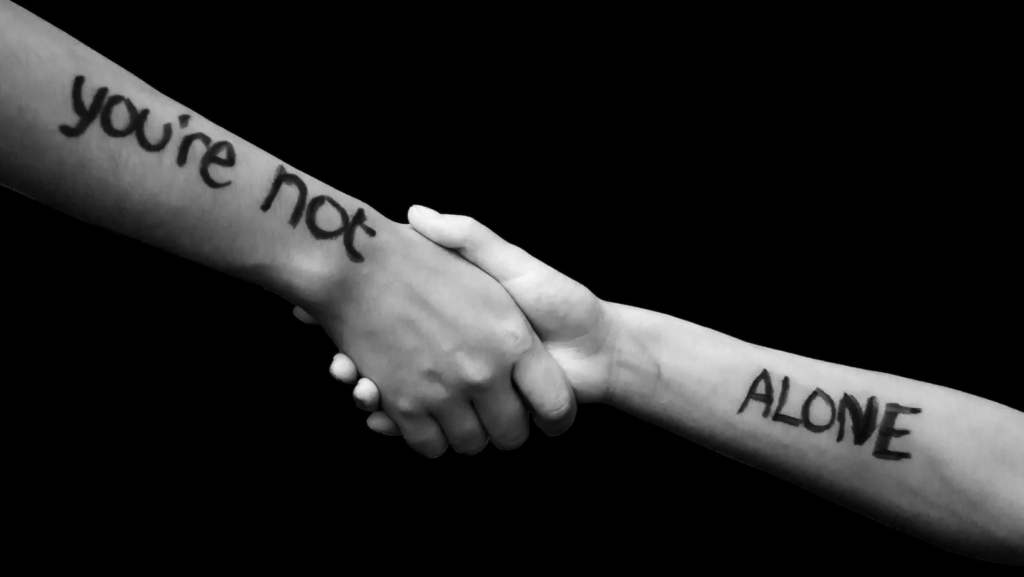
Service Footnote: You Are Not Alone If you or someone you know is experiencing persistent emotional distress, hopelessness, or suicidal thoughts, professional, confidential, and legal support is available right now:
Mental Health Authority Helpline: Dial 0800 678 678 for toll-free, confidential crisis support.
National Emergency Line: Dial 112 for immediate medical emergencies.
In-Person Care: Visit the mental health unit at your nearest district or regional hospital for a professional psychological assessment.