
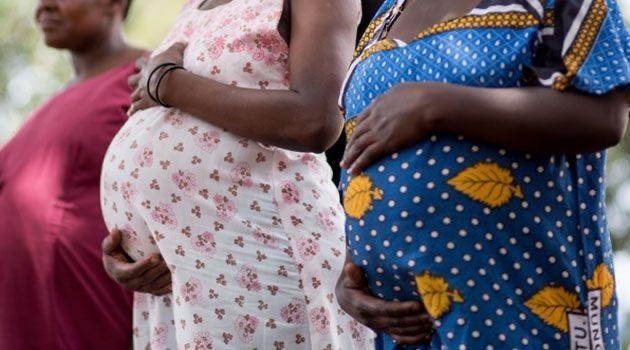
For many African women, childbirth is closely tied to culture, strength, and womanhood. Because of this, cesarean sections are often misunderstood and unfairly stigmatized. Many women who undergo C-sections are wrongly viewed as weak or incapable of giving birth naturally, despite the procedure being one of the most important life-saving interventions in modern medicine.
Globally, an estimated 21% of births occur through cesarean section (CS). Although vaginal delivery remains the preferred childbirth method for many women and healthcare professionals, there are situations where a cesarean section becomes the safest option for both mother and baby.
Unfortunately, myths, fear, and social pressure continue to discourage many African women from accepting medically necessary cesarean deliveries. Breaking these misconceptions is essential for improving maternal healthcare in Africa and reducing preventable maternal and infant deaths.
According to the World Health Organization (WHO), cesarean sections are essential in preventing maternal and newborn deaths when medically indicated.
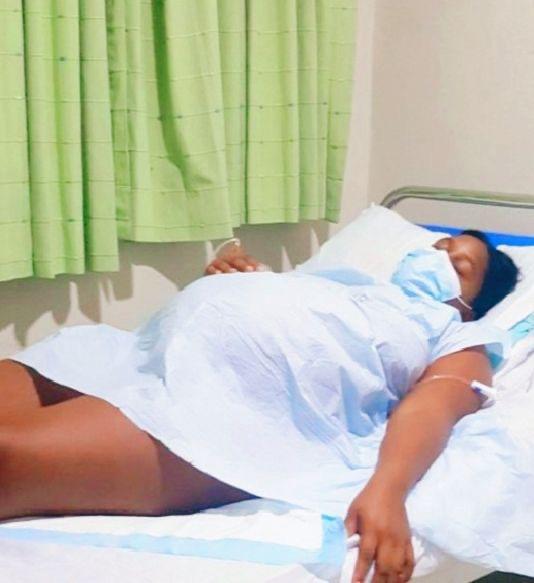
The History of Cesarean Sections in Africa
Long before cesarean sections became widely practiced in Europe, African midwives and traditional medical practitioners were already performing successful procedures.
Historical records from the National Library of Medicine reveal that European explorers documented successful cesarean deliveries in Uganda and Rwanda during the 19th century, where both mother and baby survived the operation.
African healers used indigenous medical techniques, including herbal remedies and banana wine for anesthesia, to improve survival rates during surgery. These practices demonstrated advanced knowledge of maternal healthcare and surgical procedures.

In 1826, James Miranda Stuart Barry performed one of the first successful cesarean sections in the British Empire in South Africa. Even during the Transatlantic Slave Trade, knowledge of cesarean procedures spread beyond Africa and influenced medical practices elsewhere.
These historical accounts challenge the misconception that advanced surgical childbirth methods originated solely outside Africa.
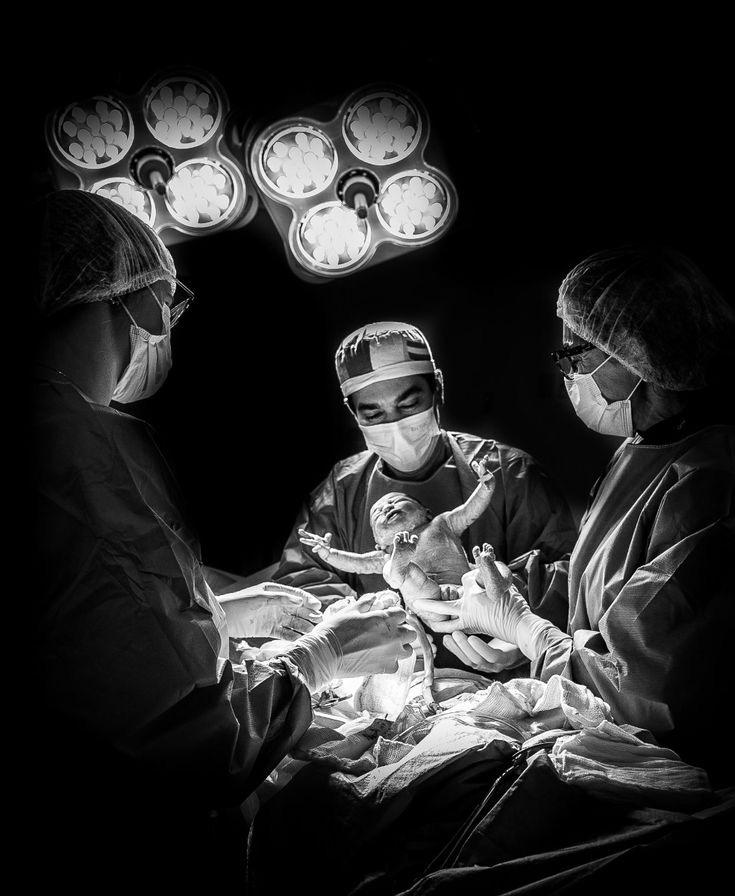
Common Myths About Cesarean Sections Among African Women
While myths continue to spread across many African communities, medical experts emphasize that cesarean delivery is often necessary for safe childbirth.
“A Woman Who Has a C-Section Can Never Give Birth Naturally Again”
This is one of the most common misconceptions about cesarean delivery.
In reality, many women can safely have a Vaginal Birth After Cesarean (VBAC), depending on their medical history and the type of uterine incision used during surgery. However, doctors carefully assess each patient before recommending VBAC because some uterine scars may increase the risk of rupture during labor.
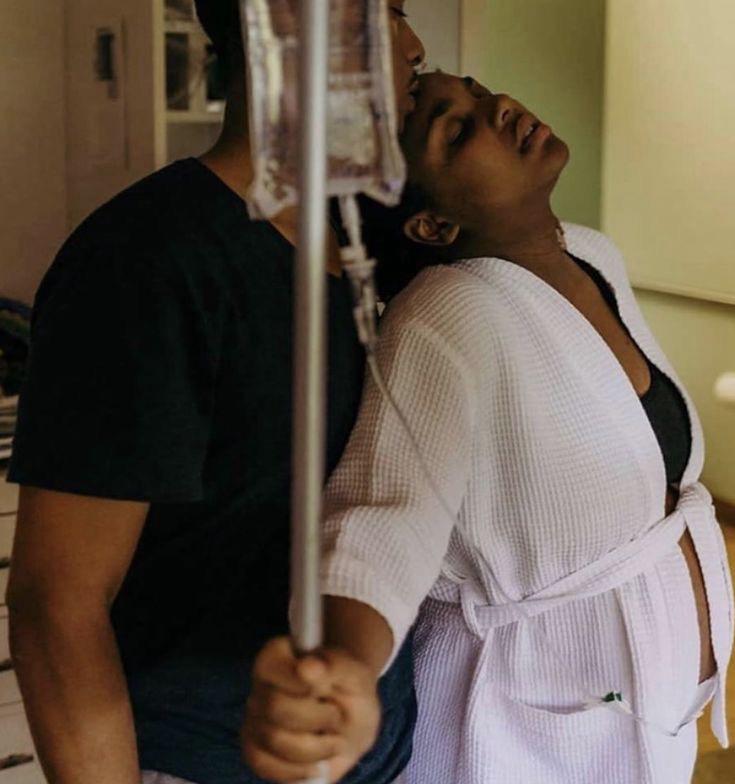
“Women Who Undergo C-Sections Are Weak”
In many African societies, vaginal birth is viewed as proof of a woman’s endurance and strength. As a result, women who deliver through CS may experience shame, criticism, or community stigma.
The truth is that cesarean sections require tremendous courage. A CS is a major surgical procedure performed to protect the lives of both mother and baby during dangerous pregnancy complications.
Choosing life-saving medical care is not weakness—it is wisdom and strength.

“C-Sections Prevent Mother-and-Baby Bonding”
Some people believe mothers who undergo cesarean delivery cannot bond properly with their babies.
This is false.
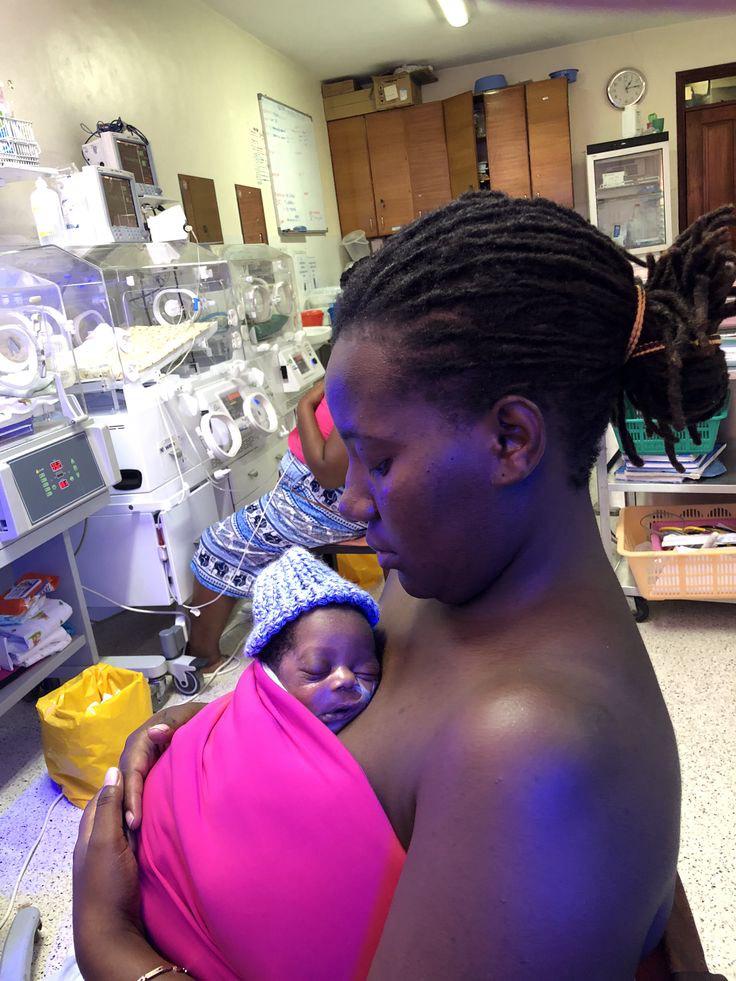
Mothers who have a C-section can still practice skin-to-skin contact and begin breastfeeding shortly after delivery. Emotional bonding depends more on love, care, and nurturing than on the method of childbirth.
“Babies Born Through C-Section Are Weak or Less Intelligent”
There is no scientific evidence showing that babies born through CS are weaker or less intelligent than babies born vaginally.
Children delivered through cesarean section can grow, learn, and develop normally.
“Cesarean Sections Cause Permanent Infertility”
Although every surgery carries risks, cesarean sections do not automatically cause infertility.
Many women who undergo CS continue to have healthy pregnancies and multiple children afterward.
Medical Reasons Why Cesarean Sections Are Necessary
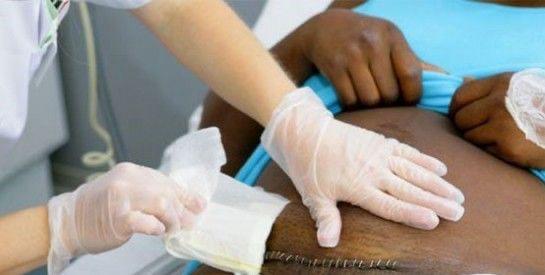
Doctors recommend cesarean sections when vaginal delivery may place the mother or baby at serious risk.
Some common medical indications include:
Multiple Pregnancies
Women carrying twins or higher-order multiples may require a CS to reduce complications during delivery.
Placenta Previa
This condition occurs when the placenta blocks the baby’s exit from the womb, making vaginal delivery unsafe.
Breech or Transverse Baby Position
If the baby is not positioned head-down in the pelvis, safe vaginal delivery may not be possible.
Preeclampsia and Eclampsia
These pregnancy-related hypertensive disorders can become life-threatening for both mother and baby.
Prolonged Labor
When labor fails to progress normally, cesarean delivery may help prevent severe complications.
Cephalopelvic Disproportion (CPD)
CPD occurs when the baby’s head is too large to safely pass through the mother’s pelvis.
Fetal Distress
Abnormal heart rate patterns or signs of oxygen deprivation in the baby often require emergency cesarean delivery.
Maternal Infections
Conditions such as uncontrolled HIV or active genital herpes may make CS the safer delivery option.
Previous Uterine Surgery
Some women with previous uterine surgery or cesarean scars may require repeat CS for safety reasons.
Why African Communities Must Stop Stigmatizing C-Sections
The stigma surrounding cesarean delivery often comes from misinformation, cultural expectations, fear, and limited awareness about maternal healthcare.
Unfortunately, these harmful beliefs may delay women from seeking urgent medical attention during childbirth.
Healthcare professionals, governments, traditional leaders, and health organizations must continue educating communities about the importance of safe childbirth and emergency cesarean care.
Every woman deserves support and respect regardless of how she gives birth.
Both vaginal delivery and cesarean section are valid childbirth methods. The ultimate goal should always be a healthy mother and a healthy baby.