How Dolly Parton Turned Songs, Rhinestones and a Big Personality Into an Empire
Dolly Parton’s larger-than-life image was never separate from her ambition. The songs, exaggerated glamour, sharp humour and business instincts all helped build an entertainment empire that was unmistakably hers.
Dolly Parton understood something about fame that many celebrities spend entire careers trying to learn: you can take the work seriously without taking yourself too seriously.
That tension became part of her power.
The wigs were huge. The rhinestones were impossible to miss. The jokes often came at her own expense. But beneath the deliberately exaggerated version of “Dolly” was someone who understood songwriting, ownership, image and audience remarkably well.
Her persona was not separate from the business. It was part of it.
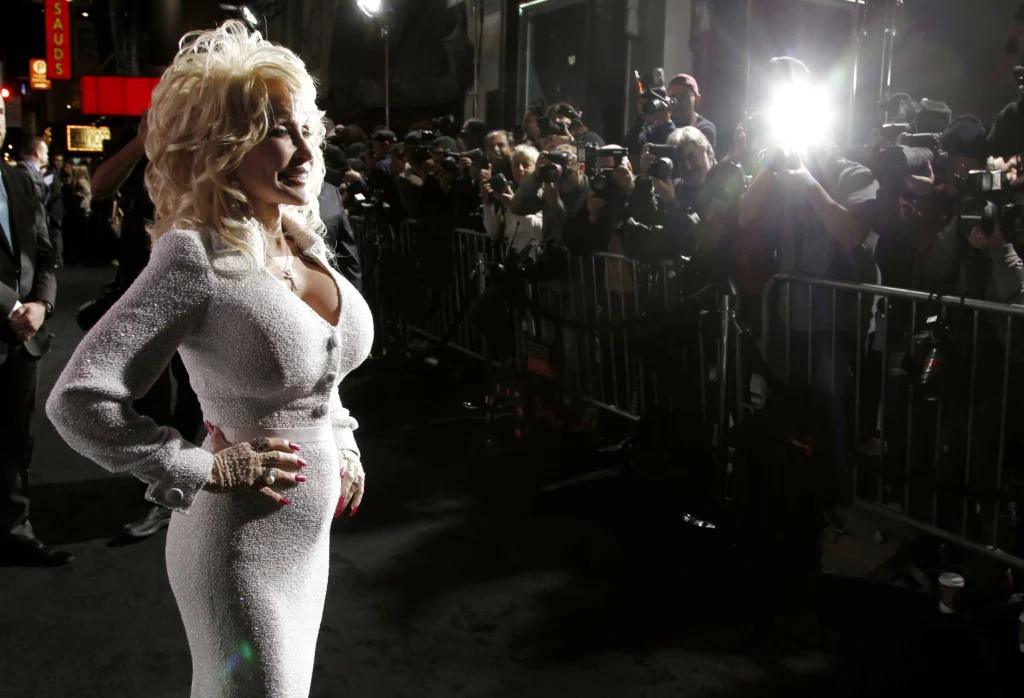
Dolly Parton arrives at the premiere of “Joyful Noise” in Los Angeles, Monday, Jan. 9, 2012. (AP Photo:Matt Sayles, File)
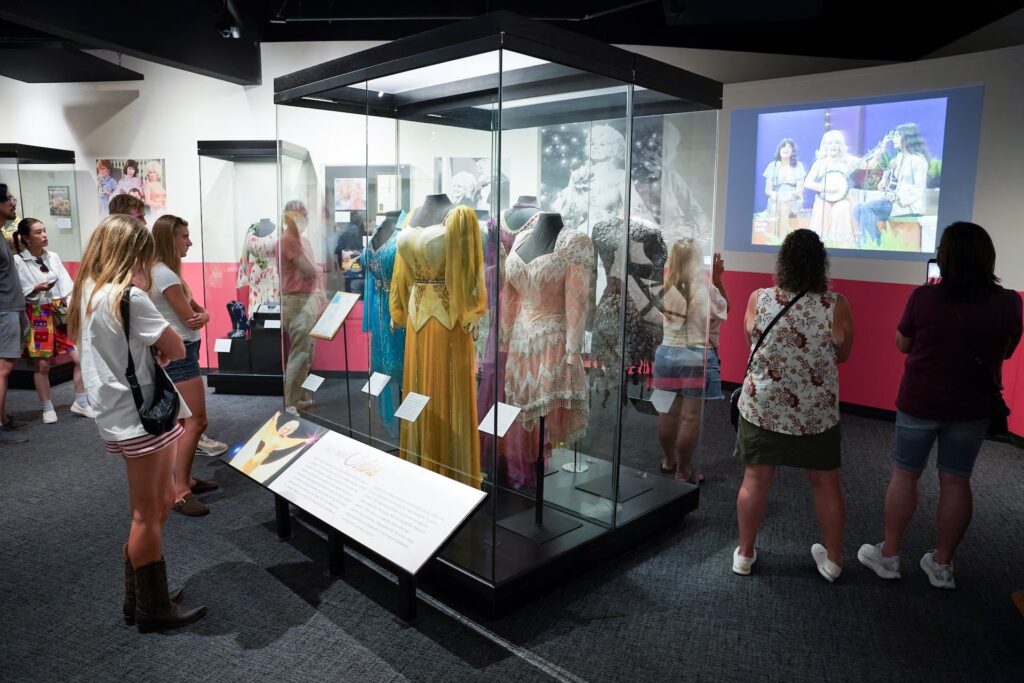
People attend the "Dolly Parton- Journey of a Seeker" exhibition at the Country Music Hall of Fame. REUTERS
She Made the Glamour Part of the Business
Then there was the look.
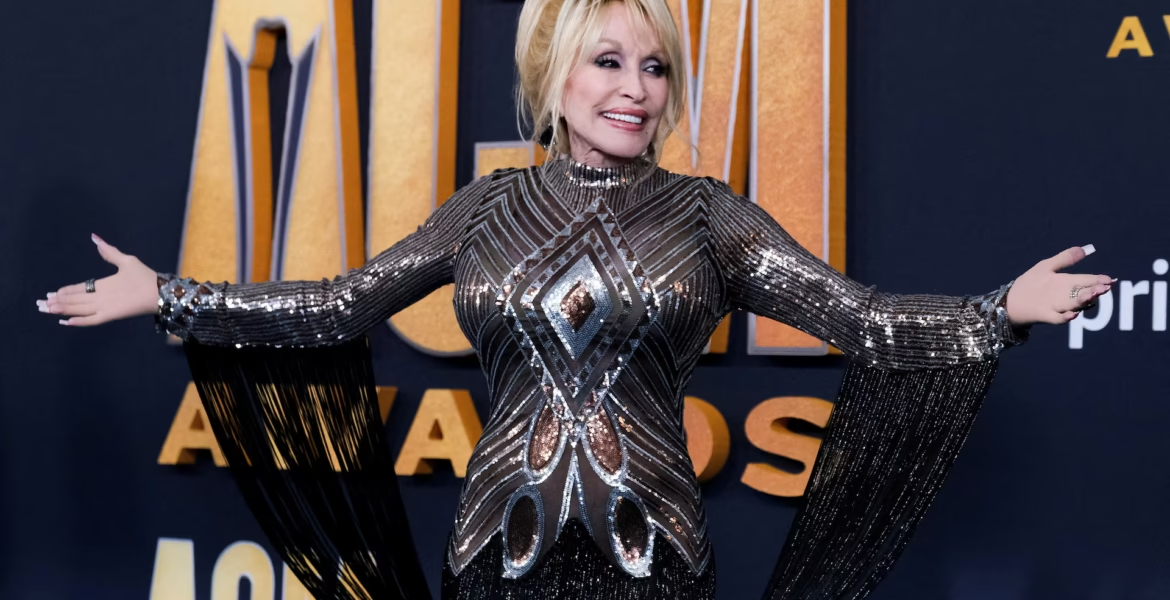
Big blonde wigs. Sky-high heels. Rhinestones. Tight silhouettes. Bright colours. Dolly did not tone any of it down in an attempt to look more “serious.”
She went the other way.
Her official fashion archive describes a style that deliberately defied convention, from bold Nashville looks to costumes, wigs and stage clothes that became inseparable from how audiences recognised her.
And Dolly understood exactly what she was doing. She once joked to Vogue that she was less a fashion icon than an “eyesore” because she overdid everything.
That exaggeration became commercially useful.
In an industry where women are often told to become more restrained if they want to be taken seriously, Dolly made excess part of her signature. Recognisability became an asset.
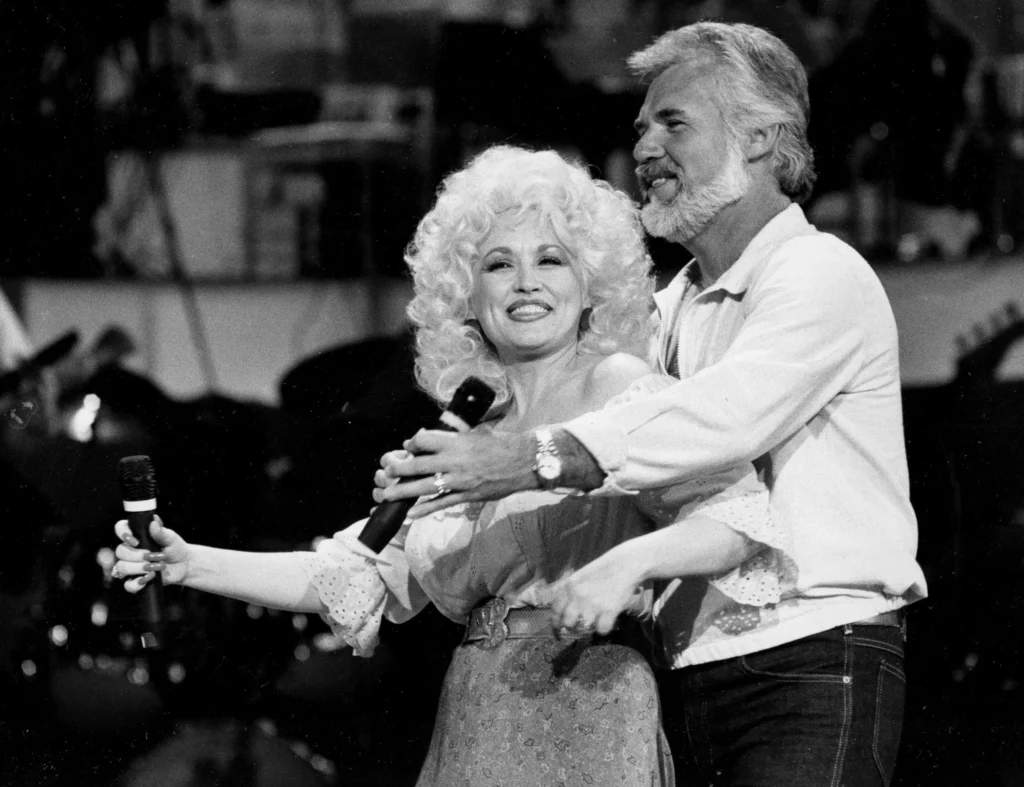
Dolly Parton, left, and Kenny Rogers rehearse a song for their appearance on the TV show “Live... And in Person” in Los Angeles on Sept. 27, 1983
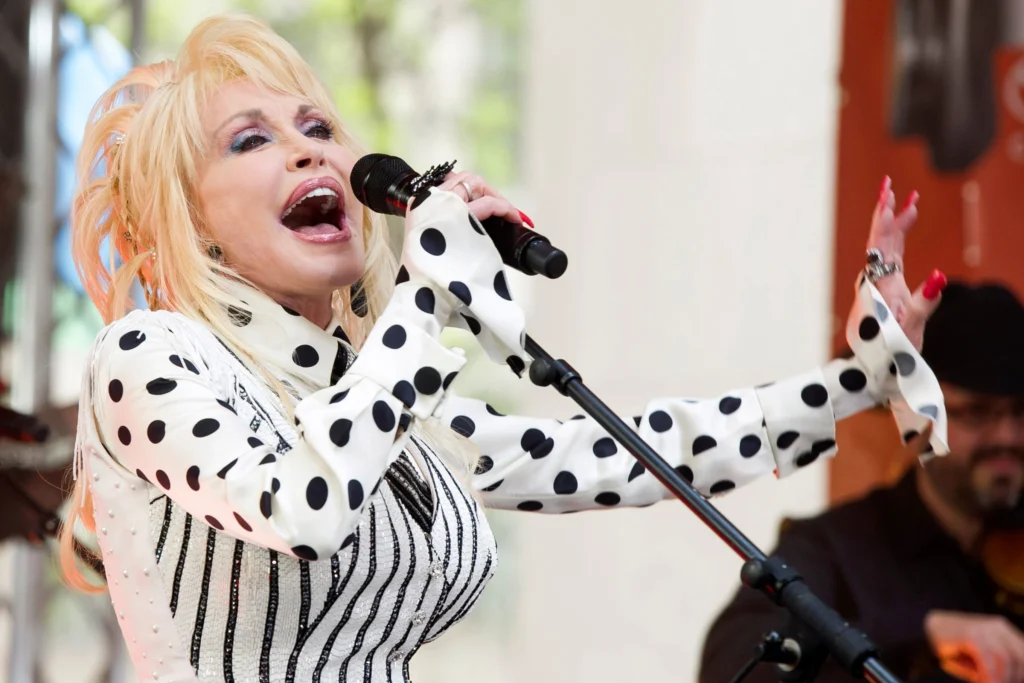
Dolly Parton performs on NBC’s “Today” show in New York on May 13, 2014
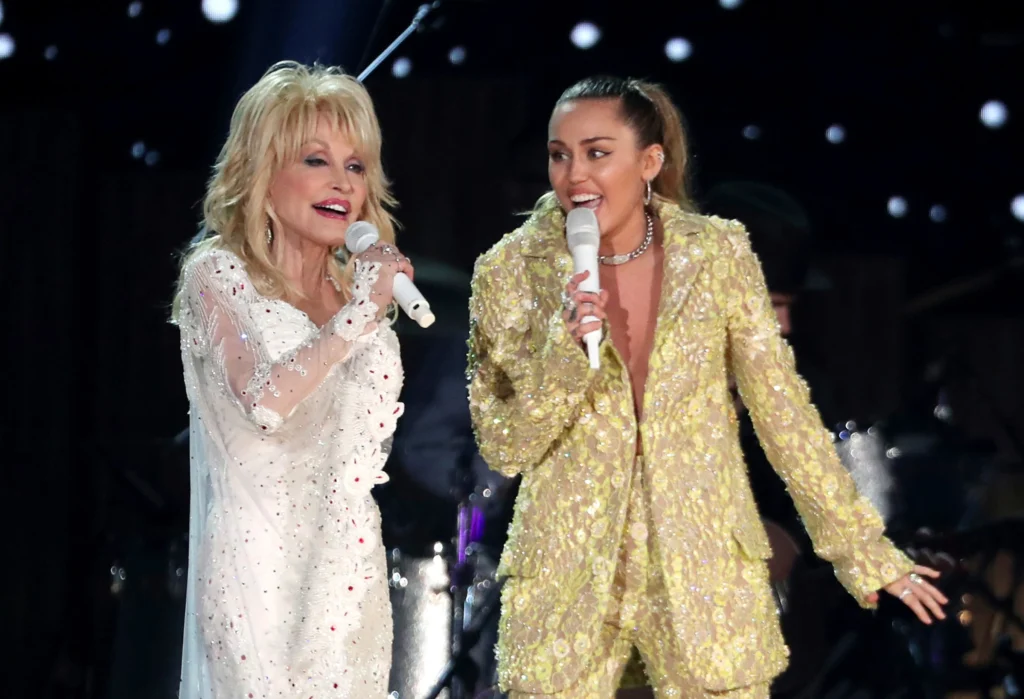
Dolly Parton, left, and Miley Cyrus perform “Jolene” at the 61st annual Grammy Awards in Los Angeles on Feb. 10, 2019
Being in on the Joke Gave Her Control
Humour made that image even harder to weaponise against her.
Dolly regularly wrote jokes into her shows and leaned into the tongue-in-cheek quality of her public persona. In a 2016 interview, she described herself first and foremost as an entertainer and acknowledged that some of the jokes were deliberately corny—because they worked.
That self-awareness mattered.
Other people could joke about the hair, the body or the clothes, but Dolly was usually already participating in the joke. She had framed the conversation before anyone else could do it for her.
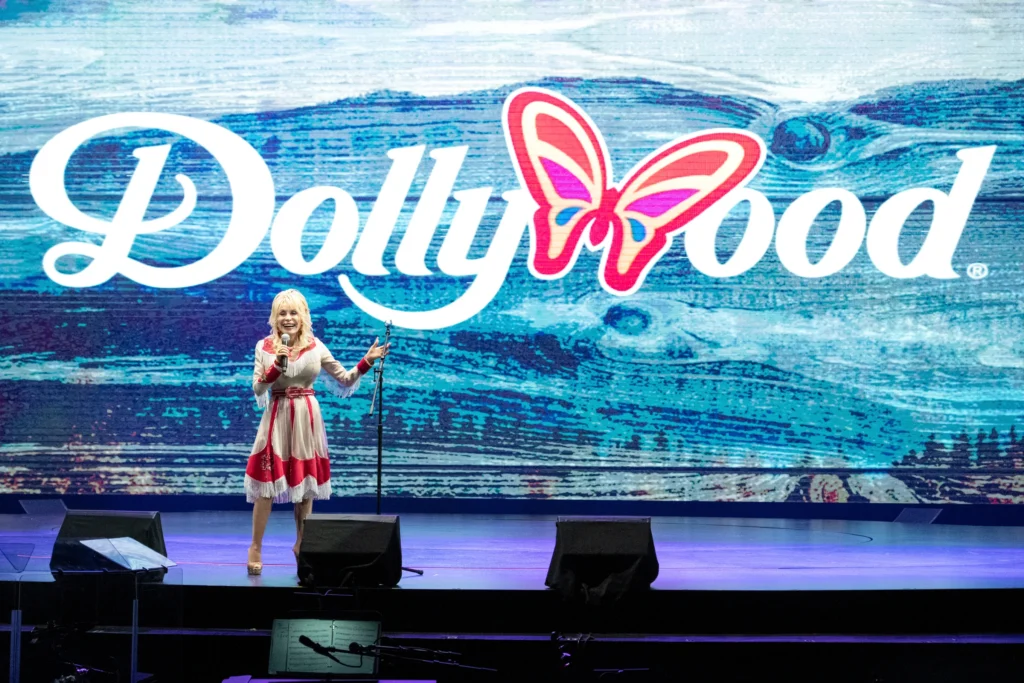
Dolly Parton appears at Dollywood’s Season Passholder and Media Day in Pigeon Forge, Tenn., March 8, 2024
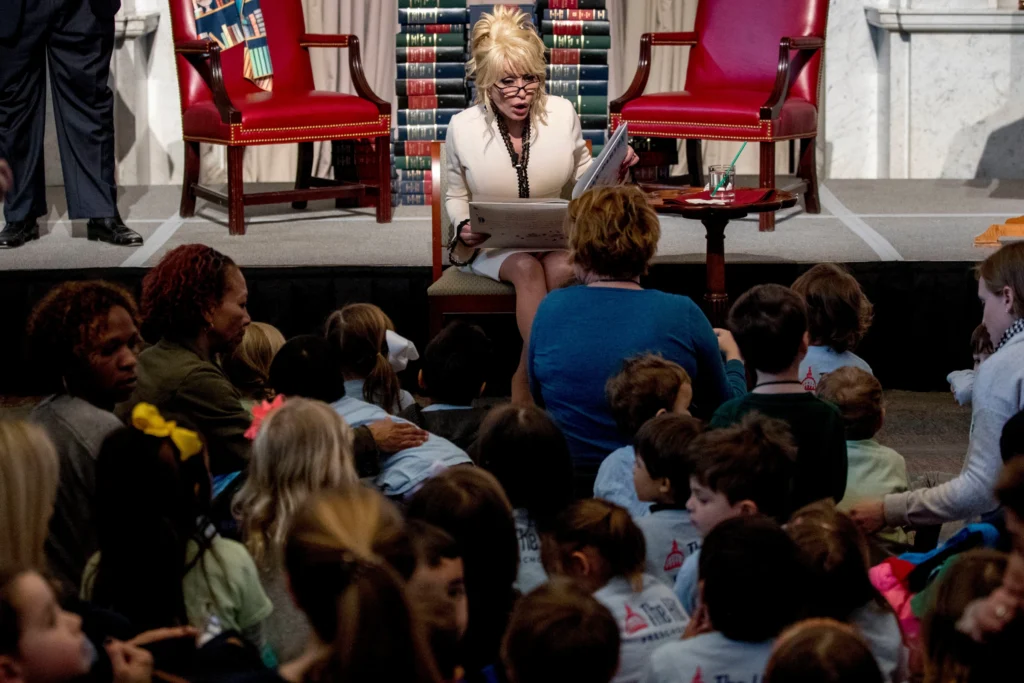
Dolly Parton reads her book “Coat of Many Colors,” at the Library of Congress in Washington on Feb. 27, 2018.
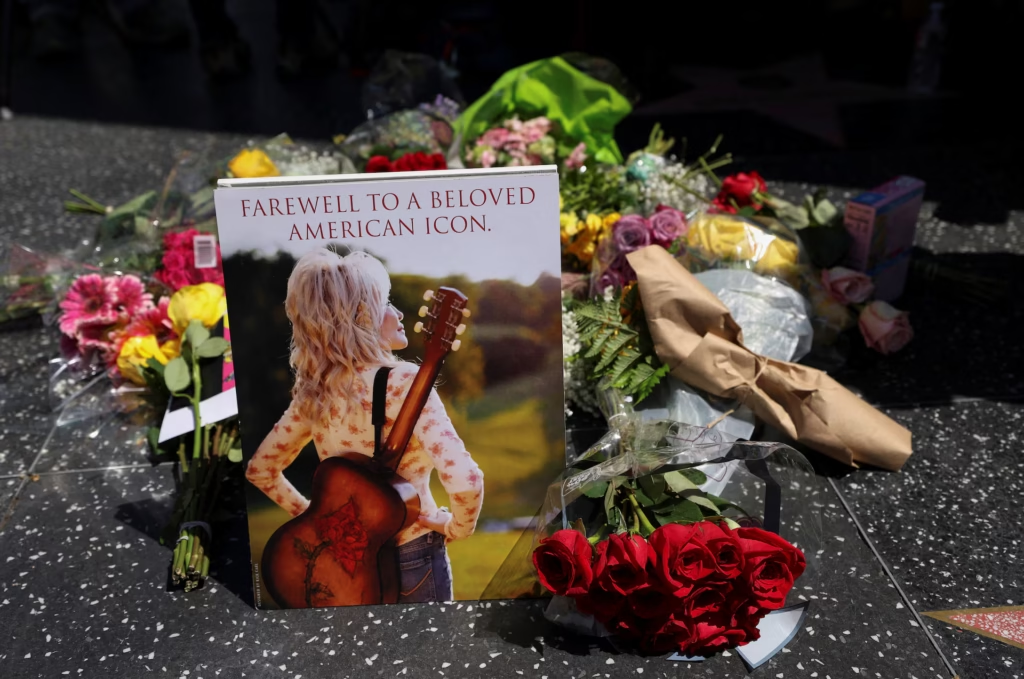
Flowers lie at the star of Dolly Parton on the Hollywood Walk of Fame after it was announced that the country music icon died aged 80, in Los Angeles, California, U.S., August 25, 2026
Then She Turned Dolly Into an Empire
Eventually, the name became bigger than music.
In 1986, Parton partnered with the Herschend family to transform an existing Tennessee theme park into Dollywood. What could have been a celebrity-branded attraction grew into a major East Tennessee tourism business—and four decades later, the resort was still expanding.
Putting her name on Dollywood wasn’t simply celebrity licensing. It tied her commercial ambitions to the Smoky Mountain identity she had spent her career talking about.
The broader lesson was consistent: Dolly rarely treated fame as the final product. She converted it into things that could endure—publishing rights, businesses, attractions and institutions.
That includes Dolly Parton’s Imagination Library, which began in 1995 and now sends more than three million books every month to children around the world.
Here too, her name became attached to something designed to keep functioning beyond the immediate cycle of celebrity.
Dolly Parton’s great trick may have been convincing the world that none of this was particularly complicated.
The wigs were enormous, the jokes came easily and the songs sounded effortless.
Behind them was a woman who understood exactly what she had created—and what it was worth.
She didn’t become successful despite being unmistakably Dolly.