
Kenya has confirmed its first imported Ebola case in 2026, prompting intensified surveillance, contact tracing and health measures as authorities work to prevent further transmission.
The case involves a Kenyan citizen who had been living in the Democratic Republic of Congo (DRC), where a Bundibugyo virus outbreak is ongoing. According to the World Health Organization (WHO), the patient travelled by road from the DRC through Beni to Kampala, Uganda, on 2 October before flying to Nairobi on 3 October. The patient was isolated after arriving in Nairobi and later tested positive for the virus. The patient subsequently died. WHO: Kenya confirms first imported Bundibugyo virus disease case
Kenya Ebola case: 57 contacts identified
Kenya’s Ministry of Health said on 7 October that 57 contacts linked to the confirmed Ebola case had been identified.
Of these, 10 had been accounted for and quarantined, while contact tracing continued for the remaining contacts. The Ministry is also strengthening surveillance and preparedness measures, including screening at points of entry. Kenya Ministry of Health update
WHO said that, as of 6 October 2026, Kenya had screened more than 652,000 travellers and tested 267 suspected samples as part of preparedness efforts since May 2026. WHO situation update on Kenya Ebola response
What happened with Ebola in Uganda?
Travellers may also have questions about Uganda because the patient passed through the country before travelling to Kenya.
Uganda’s Bundibugyo virus outbreak ended in August 2026, after the country completed the required 42-day period without recording a new confirmed case. Uganda reported 20 confirmed cases during that outbreak. WHO Africa: Uganda ends Ebola outbreak
Should travellers cancel trips to Kenya?
WHO does not recommend restrictions on travel or trade with Kenya because of the current Ebola situation. However, this recommendation should not be confused with the entry requirements of individual countries. WHO: Kenya Ebola situation and travel recommendations
Travellers should check the latest requirements issued by their destination country and any country they will transit through before travelling. Government entry rules can change independently of WHO recommendations.
Travellers should also follow health screening instructions at airports and other points of entry, monitor official health updates and seek medical advice if they develop symptoms after a potential exposure.
For travellers going to or through Kenya, the UK Foreign, Commonwealth and Development Office (FCDO) advises monitoring local health guidance and notes the measures being taken by Kenyan authorities in response to the case. UK FCDO: Kenya health advice
What should travellers check before flying?
Before travelling, check:
- The latest health and entry requirements issued by your destination country.
- Any requirements for countries where you will transit.
- Travel advisories from your government or relevant embassy.
- Updates from Kenya’s Ministry of Health and WHO.
- Any health screening or declaration requirements at your departure or arrival airport.
The situation can change as contact tracing and surveillance continue, so travellers should rely on current official guidance rather than older social media posts or travel reports.
Last checked: 9 October 2026, 09:35 UTC.
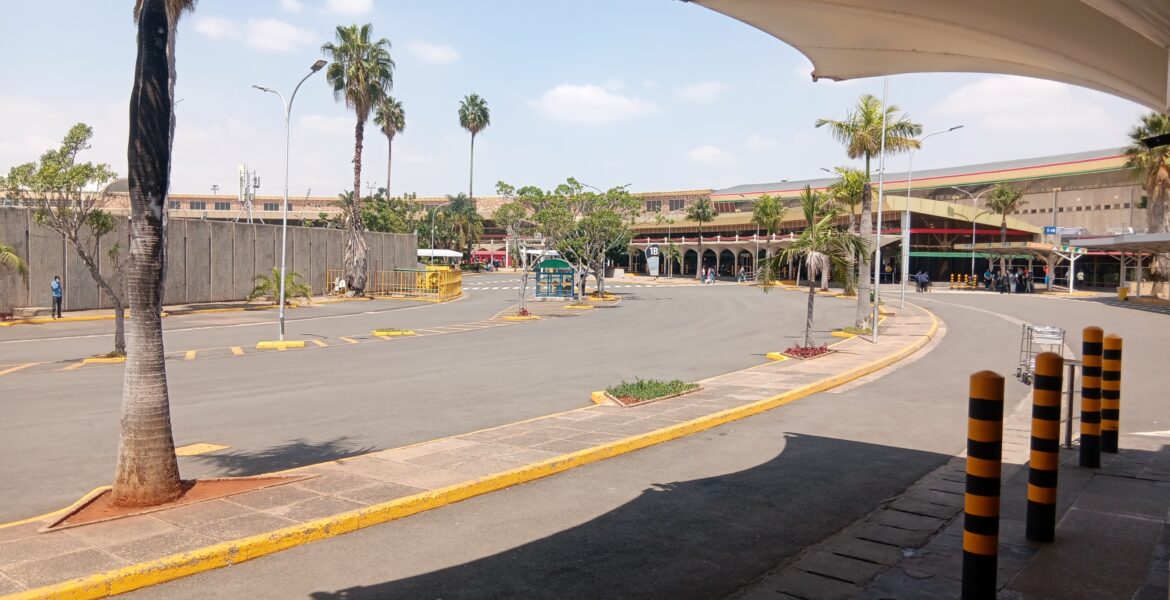
Featured photograph: Bahnfrend / Wikimedia Commons, CC BY-SA 4.0. Archival image from 14 August 2025; resized and cropped for display, with no other intentional changes.
.jpg)