
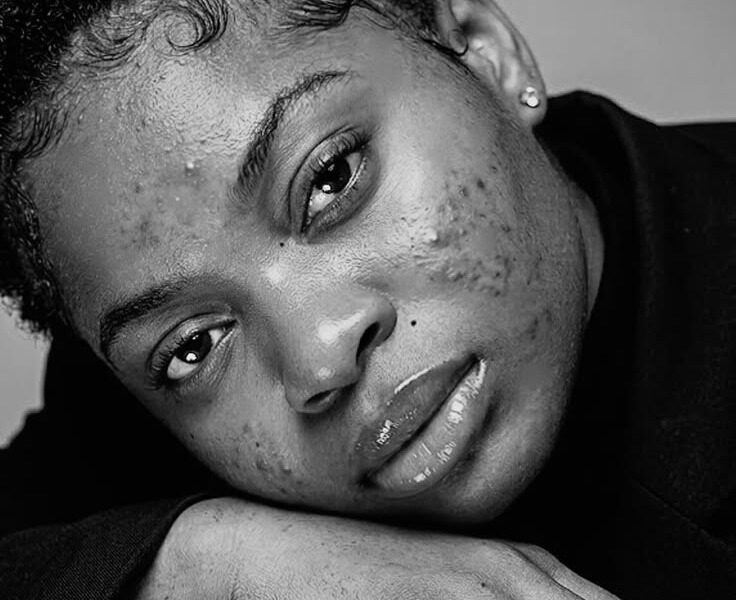
You thought pimples were something you’d leave behind after your teenage years. Then one morning, another stubborn breakout appears on your chin, jawline or cheeks.
If this sounds familiar, you’re not alone.
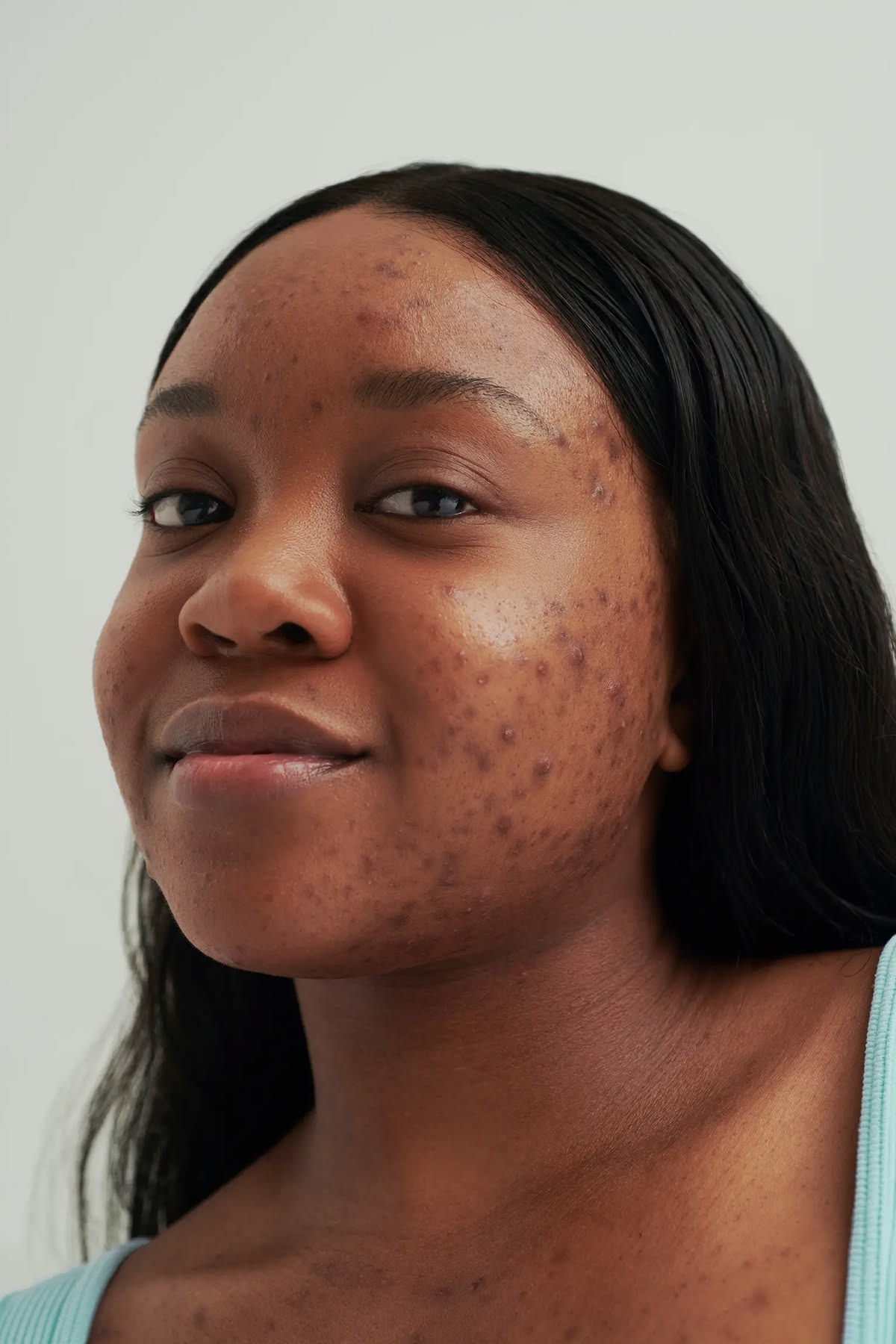
Adult acne is becoming increasingly common, especially among women in their 20s and 30s. While social media often blames everything from dairy to dirty makeup brushes, the truth is far more complex. Hormones, stress, lifestyle habits and even certain skincare products can all play a role.
So, why is adult acne on the rise, and what can you do about it?
Why Does Adult Acne Happen?
Unlike teenage acne, which is largely driven by puberty, adult acne often results from a combination of hormonal fluctuations, genetics and environmental factors.
Many women experience breakouts around their menstrual cycle because hormone levels fluctuate throughout the month. These hormonal changes can stimulate the skin’s oil glands, increasing the likelihood of clogged pores and inflamed pimples.
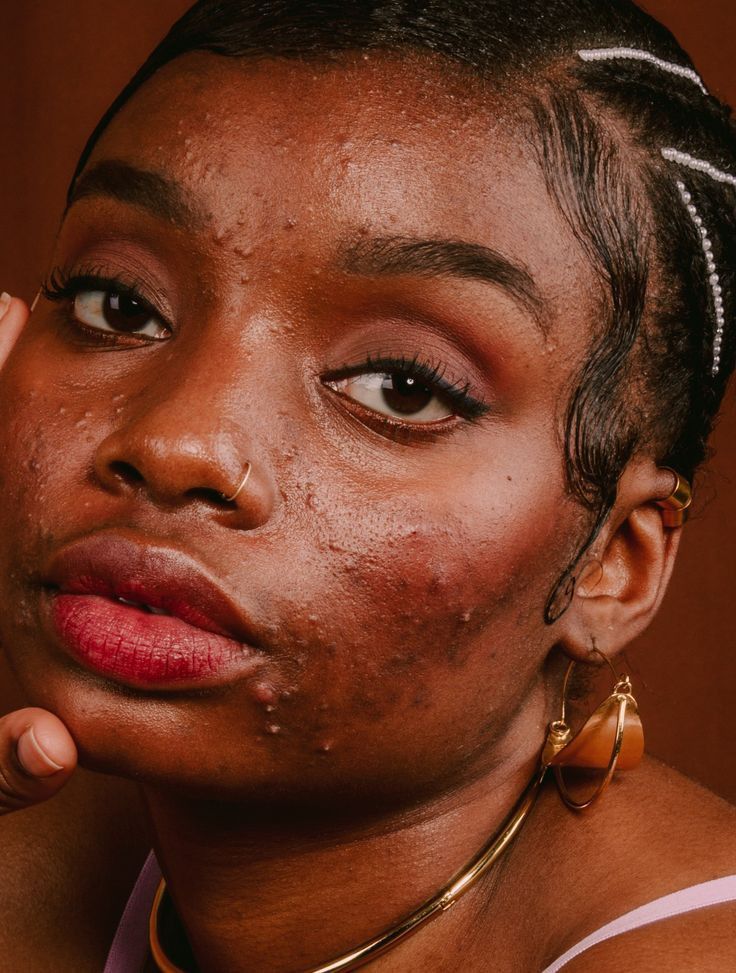
Common Causes of Adult Acne
Hormonal Changes
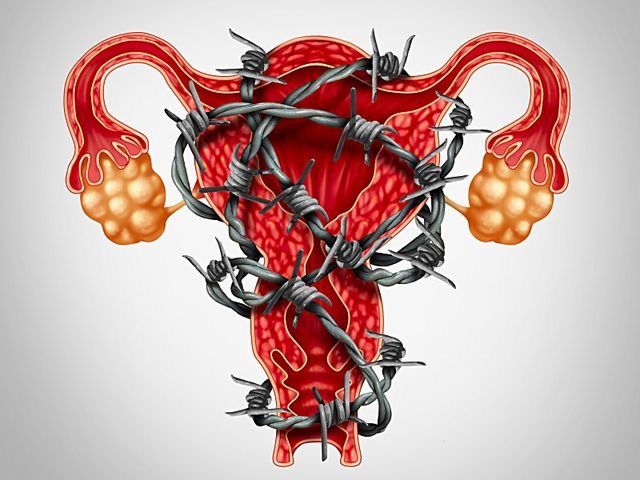
Hormones remain one of the biggest culprits behind adult acne. Breakouts are especially common during menstruation, pregnancy, perimenopause or after stopping hormonal birth control.
Stress
Ever noticed a breakout after a particularly stressful week?
Stress increases cortisol levels, which can stimulate oil production and worsen acne in some people.
Using the Wrong Skincare Products
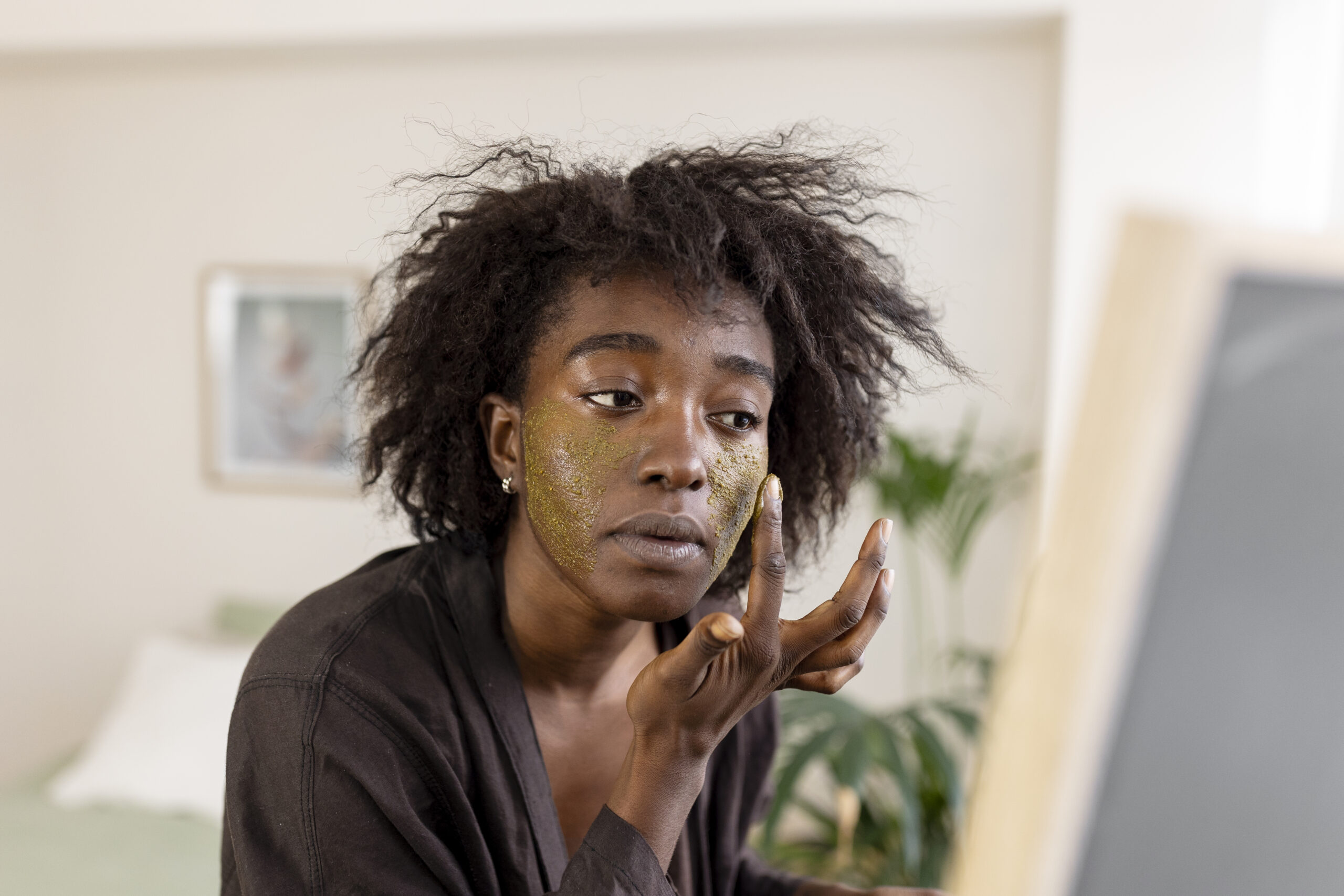
Heavy creams, oily cosmetics or products that clog pores can trigger breakouts. Look for products labelled “non-comedogenic,” meaning they’re formulated not to block pores.
Diet May Play a Role
Research suggests that diets high in refined carbohydrates and sugary foods may worsen acne in some individuals. While no single food causes acne, a balanced diet rich in fruits, vegetables, lean protein and whole grains supports overall skin health.

Genetics
If one or both of your parents experienced persistent acne as adults, you may be more likely to develop it too.
Where Adult Acne Usually Appears
Unlike teenage acne, which commonly affects the forehead and nose, adult acne often develops around the:
- Chin
- Jawline
- Lower cheeks
- Neck
These areas are particularly sensitive to hormonal changes.
What Actually Helps?
There’s no overnight cure, but these habits can make a real difference:
- Cleanse your face gently twice a day.
- Avoid picking or squeezing pimples.
- Use non-comedogenic skincare and makeup.
- Wear sunscreen daily.
- Get enough sleep and manage stress where possible.
- See a dermatologist if your acne is painful, persistent or leaving scars.
Prescription treatments, including topical retinoids, benzoyl peroxide, azelaic acid or hormonal therapies, may be recommended depending on the cause and severity.
Acne Myths Worth Busting
Myth: Only teenagers get acne.
Fact: Adult acne is increasingly common, particularly among women.
Myth: Washing your face more often will clear acne.
Fact: Overwashing can irritate the skin and make breakouts worse.
Myth: Makeup always causes acne.
Fact: Non-comedogenic makeup is generally safe when removed properly before bed.
Adult acne can be frustrating, especially when you thought those teenage breakouts were long behind you. The good news is that it’s treatable, and you don’t have to rely on social media trends to find solutions.
Understanding what’s triggering your breakouts is the first step toward healthier skin. If your acne persists despite a consistent skincare routine, don’t hesitate to seek professional advice. With the right treatment plan, clearer skin is possible.
Medical Disclaimer: This article is for informational purposes only and should not replace professional medical advice. Consult a qualified healthcare provider or dermatologist for diagnosis and treatment.