
A fibroid diagnosis often leaves women with one pressing question: Are fibroids curable?
The answer is not as simple as many people expect.
Fibroids affect millions of women worldwide and are particularly common among women of African descent. While many women successfully manage or remove fibroids, confusion still surrounds the idea of a permanent cure.
Understanding what fibroids are, how they develop, and the available treatment options can help women make informed decisions about their health.
What Are Fibroids?
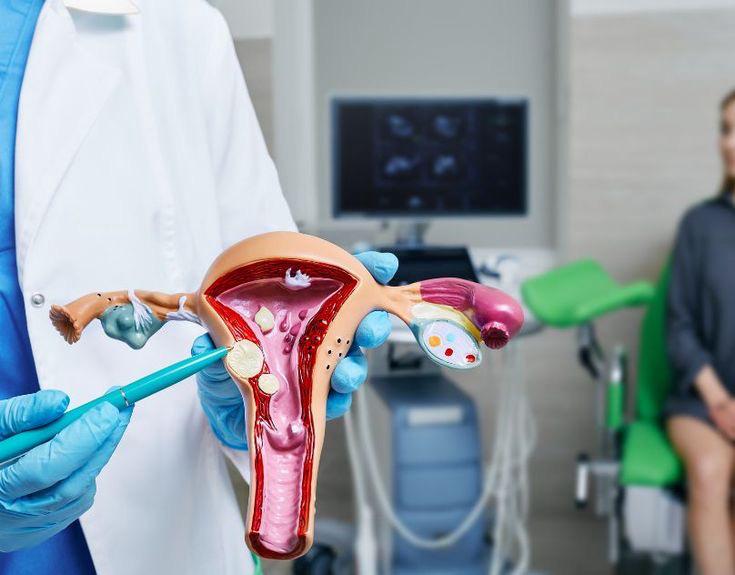
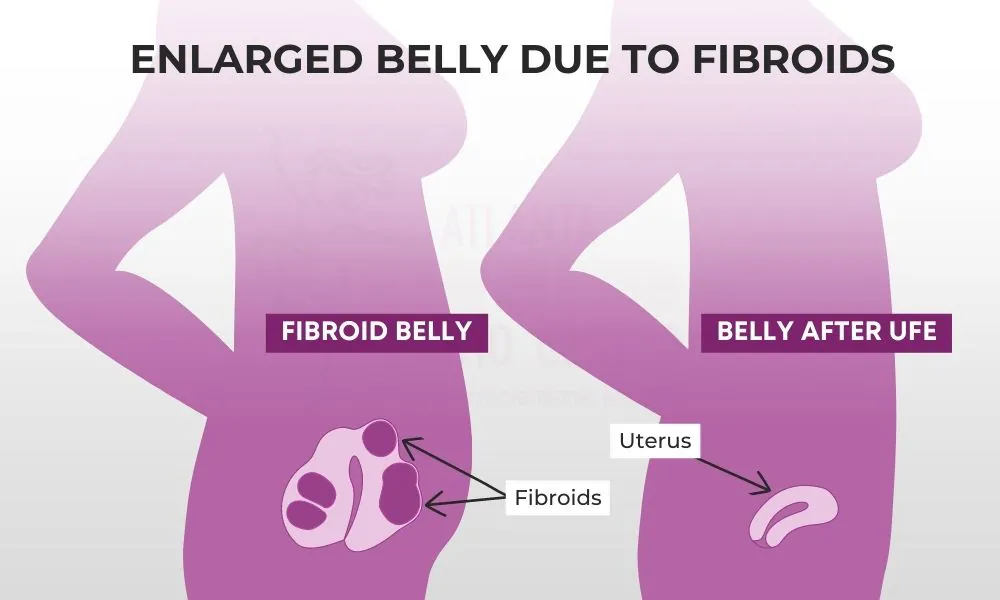
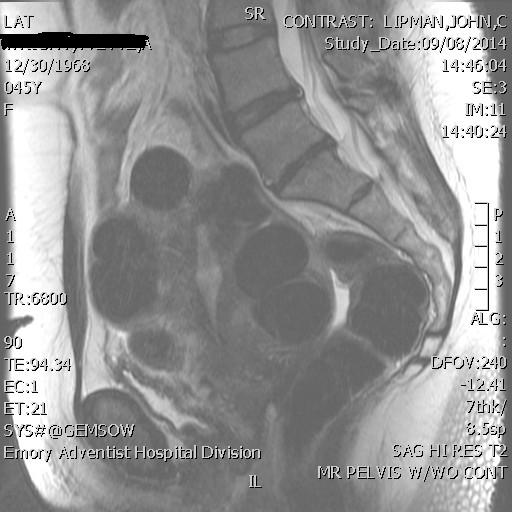
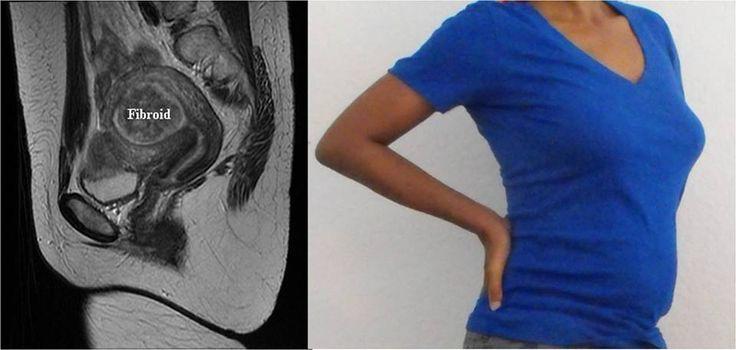
Fibroids are non-cancerous growths that develop in or around the uterus. Doctors also refer to them as uterine fibroids or leiomyomas.
Some women have small fibroids that cause no symptoms. Others experience severe symptoms that affect their daily lives.
Common symptoms include:
- Heavy menstrual bleeding
- Pelvic pain or pressure
- Frequent urination
- Lower back pain
- Bloating
- Pain during intercourse
- Fertility challenges
The size, number, and location of fibroids often determine the severity of symptoms.
Are Fibroids Curable?
The short answer is yes and no.
Many treatments can successfully remove fibroids or reduce their symptoms. However, most treatments do not guarantee that fibroids will never return.
A woman may undergo treatment, experience relief for years, and later develop new fibroids.
This possibility leads many experts to describe fibroid treatment as management rather than a complete cure.
What Treatment Options Are Available?
Doctors recommend treatment based on a woman’s symptoms, age, reproductive goals, and overall health.
Medication
Some medications help control heavy bleeding, reduce pain, or temporarily shrink fibroids.
Although medication can improve symptoms, it usually does not eliminate fibroids permanently.
Myomectomy
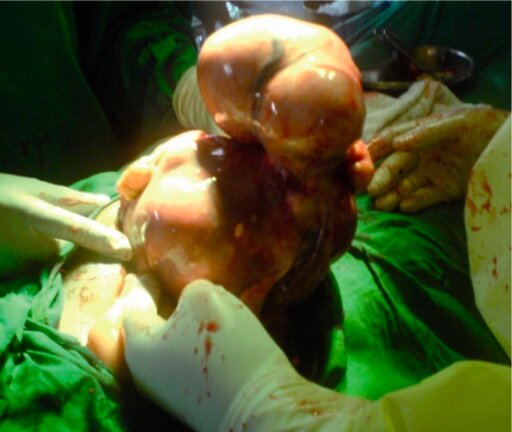
A myomectomy removes fibroids while preserving the uterus.
Many women choose this option when they want to maintain their fertility.
However, new fibroids can still develop after surgery.
Minimally Invasive Procedures
Modern medical procedures can destroy or shrink fibroids without major surgery.
These treatments often result in shorter recovery times and fewer complications.
Hysterectomy
A hysterectomy removes the uterus entirely.
This procedure is currently the only treatment that completely prevents fibroids from returning.
However, it is a major decision and is not suitable for women who wish to have children in the future.
Why Do Fibroids Come Back?
One of the biggest frustrations women face is recurrence.
Even after successful treatment, fibroids can return.
Researchers believe hormones such as estrogen and progesterone play a significant role in fibroid growth. As long as these hormonal influences remain, new fibroids may develop.
This is why many women continue regular medical checkups after treatment.
Can Lifestyle Changes Cure Fibroids?
Many websites and social media posts claim that certain diets, herbs, or supplements can cure fibroids.
While healthy lifestyle choices may support overall well-being, there is limited scientific evidence that any specific diet or herbal remedy can permanently eliminate fibroids.
Women should always consult qualified healthcare professionals before relying on alternative treatments.
When Should You See a Doctor?
Many women ignore symptoms for years because they assume heavy periods or pelvic pain are normal.
You should seek medical advice if you experience:
- Excessive menstrual bleeding
- Severe pelvic pain
- Persistent bloating
- Frequent urination
- Difficulty becoming pregnant
Early diagnosis often leads to better treatment outcomes.
So, are fibroids curable?
The answer depends on how you define a cure.
Many treatments can remove fibroids and dramatically improve a woman’s quality of life. However, most treatments cannot guarantee that fibroids will never return. Currently, a hysterectomy remains the only option that completely prevents recurrence.
The good news is that women have more treatment options than ever before. With early diagnosis, proper medical care, and informed decision-making, many women successfully manage fibroids and live healthy, fulfilling lives.
If you suspect you may have fibroids, do not ignore the symptoms. Seeking professional medical advice could be the first step toward finding the right treatment and regaining control of your health.