
For many women, understanding fertility can feel like trying to decode a calendar. Questions like “Can I get pregnant during my period?”, “How soon after my period can I conceive?”, and “When am I most fertile?” are common, but the answers are often misunderstood.
The truth is that pregnancy depends on timing. While ovulation is the key event that makes conception possible, your chances of getting pregnant are influenced by your entire menstrual cycle, including the days before ovulation.
Quick Answer: When Are You Most Likely to Get Pregnant?
You are most likely to get pregnant during your fertile window—the five days before ovulation, the day of ovulation, and sometimes the day after. This is because sperm can survive inside the female reproductive tract for several days, while the egg remains available for fertilisation for a shorter period after ovulation.
Understanding how your period, ovulation, and fertile window work together can help you better understand your body and make informed decisions about pregnancy planning or prevention.
Understanding Your Menstrual Cycle
Your menstrual cycle is more than the days you experience bleeding. It is a monthly process that prepares your body for a possible pregnancy.
The cycle begins on the first day of your period and ends the day before your next period starts. Although a 28-day cycle is often used as an example, many healthy cycles are shorter or longer.
The menstrual cycle has four main stages:
Menstruation: Your Period
This is the phase most women recognize as their period. During menstruation, the uterus sheds its lining because pregnancy did not occur in the previous cycle.
Follicular Phase: Preparing for Ovulation
After your period begins, hormones stimulate the ovaries to prepare an egg for release. At the same time, the lining of the uterus begins rebuilding to support a possible pregnancy.
Ovulation: The Most Fertile Time
Ovulation happens when the ovary releases a mature egg. This is the period when pregnancy is most likely because the egg is available for fertilisation
However, conception does not only happen on the exact day of ovulation. The days leading up to ovulation are also important because sperm can survive inside the reproductive tract for several days.
Luteal Phase: After Ovulation
After ovulation, the body prepares for a possible pregnancy. If fertilisation does not happen, hormone levels fall and the next period begins.
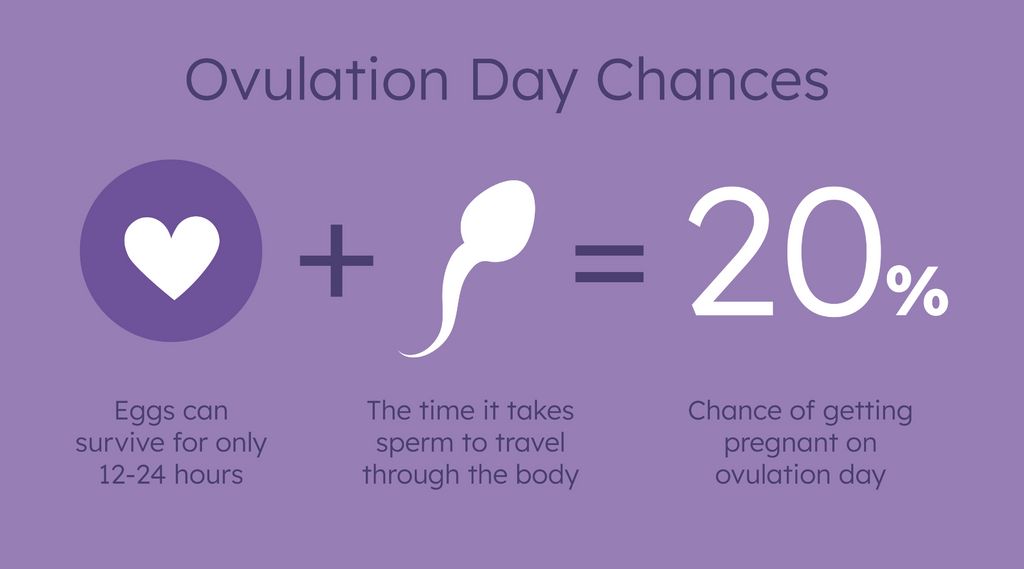
Your Fertile Window: The Best Time to Conceive
The fertile window refers to the days when pregnancy is most likely to happen.
This usually includes:
- The five days before ovulation
- The day of ovulation
- The day after ovulation
During this time, sperm and an egg have the best chance of meeting.
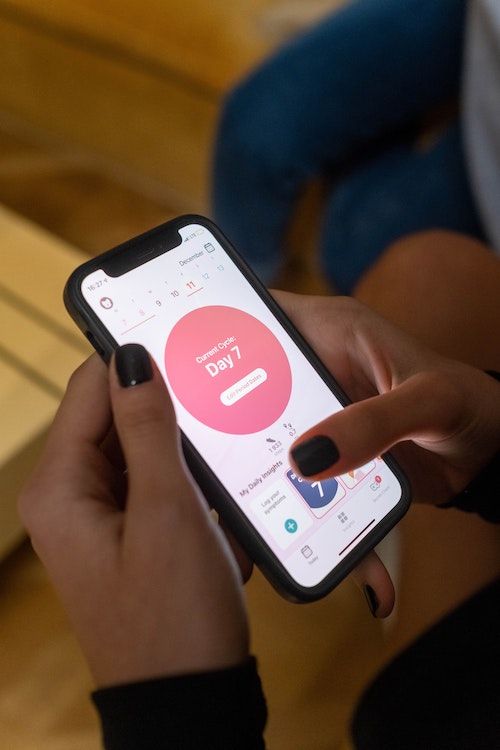
For women trying to conceive, identifying the fertile window can increase the chances of pregnancy. However, because ovulation can shift from month to month, tracking your cycle is often more helpful than relying only on calendar dates.
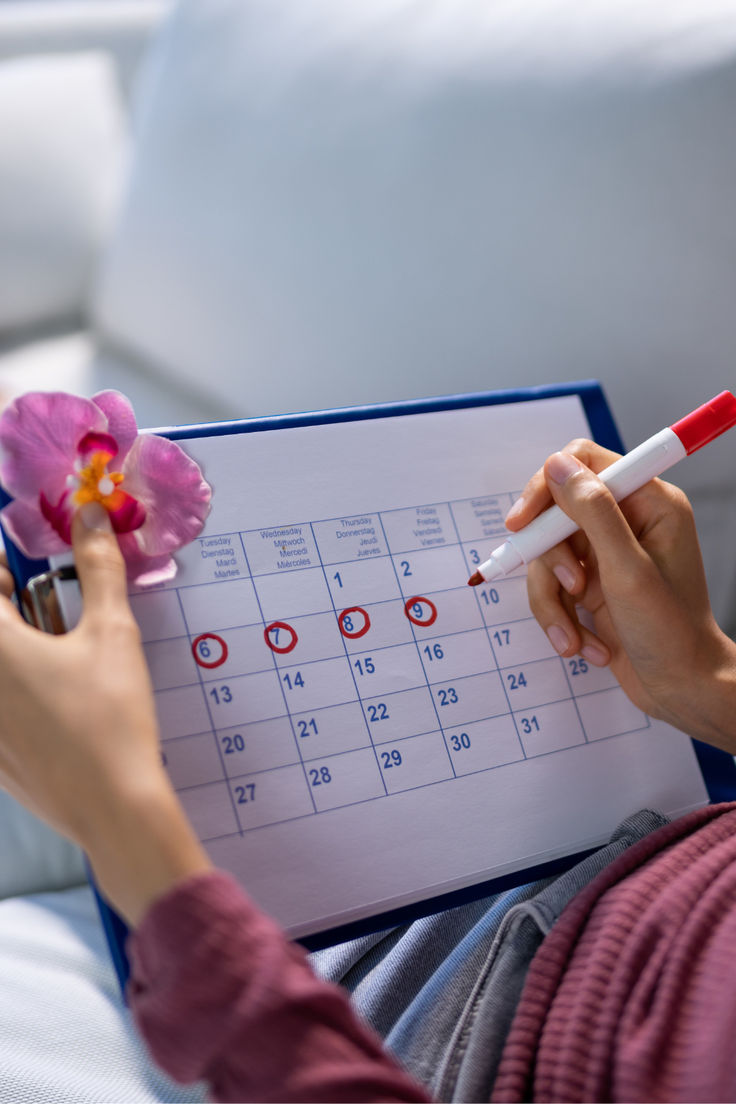
Can You Get Pregnant During Your Period?
A common belief is that pregnancy cannot happen during menstruation, but this is not completely true.
Although the chances are usually lower during your period, pregnancy is still possible. This can happen when a woman has a shorter cycle or ovulates earlier than expected.
Because sperm can survive for several days, intercourse toward the end of a period may result in pregnancy if ovulation happens soon afterward.
Your period may be a less fertile time, but it is not a guaranteed pregnancy-free period.
Can You Get Pregnant Right After Your Period?
Yes, pregnancy can happen shortly after your period ends.
The likelihood depends on factors such as:
- The length of your menstrual cycle
- How long your period lasts
- When you ovulate
For example, a woman with a shorter cycle may ovulate earlier. If she has intercourse soon after her period ends, sperm may still be present when the egg is released.
This is why every woman’s fertility pattern can be different.
Signs You May Be Ovulating
Some women notice changes in their bodies around ovulation. Common signs include:
Clear, slippery cervical mucus that may look like egg white
Mild lower abdominal discomfort
A slight rise in basal body temperature after ovulation
Increased sexual desire
However, not every woman experiences noticeable signs, and symptoms can vary from one cycle to another.
Understanding Your Cycle
Knowing your menstrual cycle gives you greater awareness of your reproductive health.
For women trying to conceive, understanding ovulation and the fertile window can help them identify the best time for pregnancy. For women avoiding pregnancy, it highlights why relying only on period timing may not provide reliable protection.
Stress, illness, lifestyle changes, and hormonal fluctuations can affect when ovulation occurs, even in women who usually have regular cycles.
Frequently Asked Questions
Can I get pregnant five days before ovulation?
Yes. Since sperm can survive inside the reproductive tract for several days, intercourse before ovulation can still result in pregnancy.
How many days after my period can I get pregnant?
There is no single answer because it depends on when you ovulate. Women with shorter cycles may become fertile soon after their period ends.
Is ovulation always on day 14?
No. The idea that every woman ovulates on day 14 applies mainly to a textbook 28-day cycle. Ovulation can happen earlier or later depending on the individual and the cycle.
Can I get pregnant if I have irregular periods?
Yes. Women with irregular periods can still ovulate and become pregnant, although predicting the fertile window may be more difficult.