

For many women, a visit to the gynecologist can bring a mix of anxiety and uncertainty. While most gynecological procedures are quick and medically necessary, some can cause significant discomfort or pain. The good news is that these tests and treatments often play a lifesaving role by detecting diseases early, preserving fertility, diagnosing health conditions, and preventing serious complications.
Every woman’s experience is different. Some feel only mild discomfort, while others experience intense cramping or pain. Knowing what to expect can ease anxiety, help you prepare, and encourage conversations with your healthcare provider about pain management.
Here are eight common gynecological procedures that many women find uncomfortable—and why they remain essential for women’s health.
Dilation and Curettage (D&C)
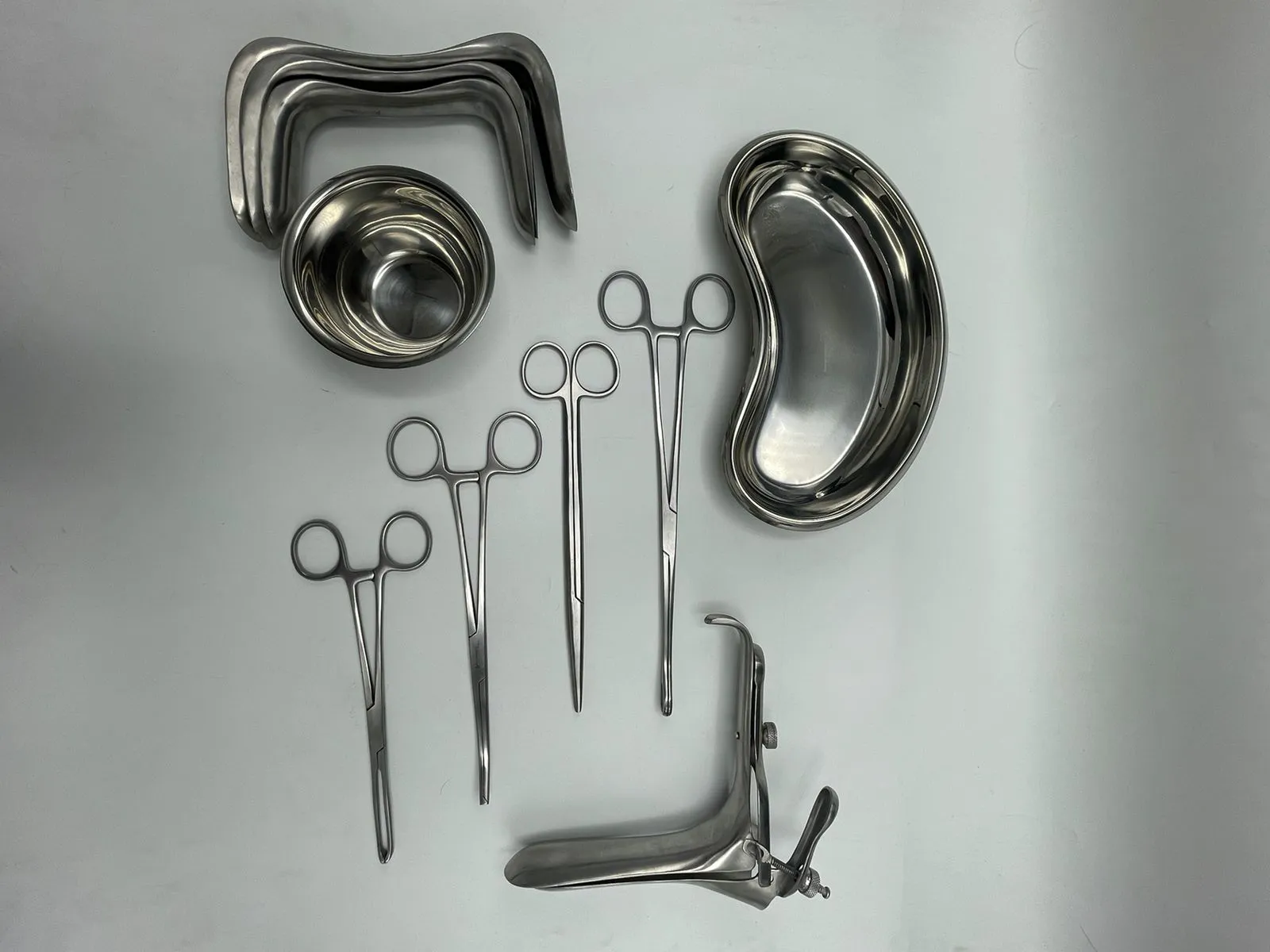
A Dilation and Curettage (D&C) is a procedure doctors use to remove tissue from the uterus. They may recommend it after a miscarriage, following an abortion, to investigate abnormal uterine bleeding, or to treat certain uterine conditions.
During the procedure, the doctor gently dilates the cervix before removing tissue from the uterine lining using surgical instruments or suction. Although anaesthesia helps minimize pain during the procedure, many women experience cramping, pelvic soreness, and aching pressure afterward as the uterus heals. Fortunately, these symptoms usually improve within a few days.
Mammograms
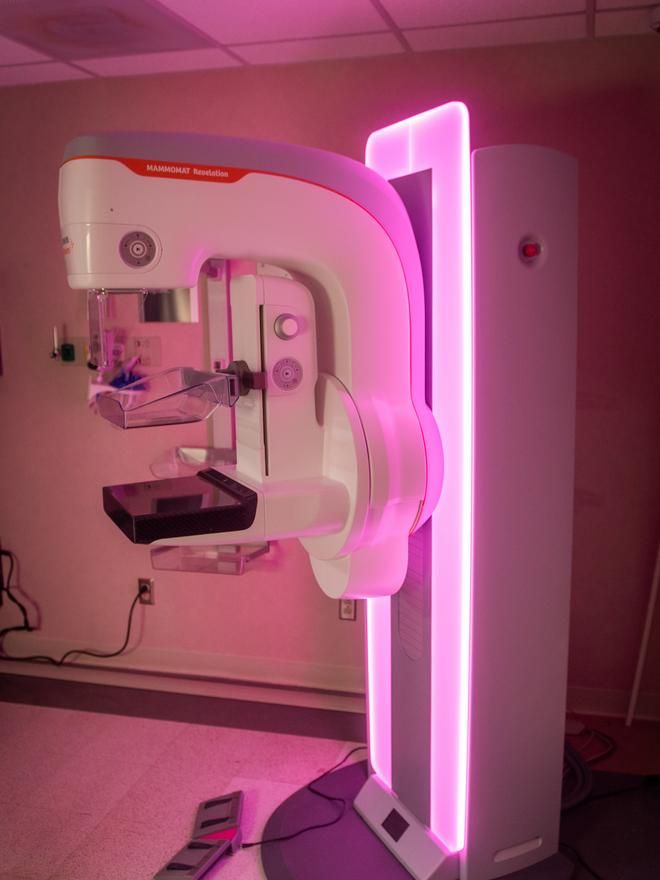
Although a mammogram is not a gynecological procedure, it is an essential part of women’s preventive healthcare.
During the exam, a radiographer places each breast between two plates and briefly compresses it to capture clear X-ray images. The pressure can feel uncomfortable or painful for some women, especially those with sensitive breasts. Some women also experience temporary tenderness or mild bruising afterward. In rare cases, women with breast implants may experience implant damage.
Despite the brief discomfort, mammograms remain one of the most effective tools for detecting breast cancer early, when treatment is most successful.
Pap Smear
A Pap smear is one of the most important screening tests for cervical cancer because it detects abnormal cervical cells before they become cancerous.
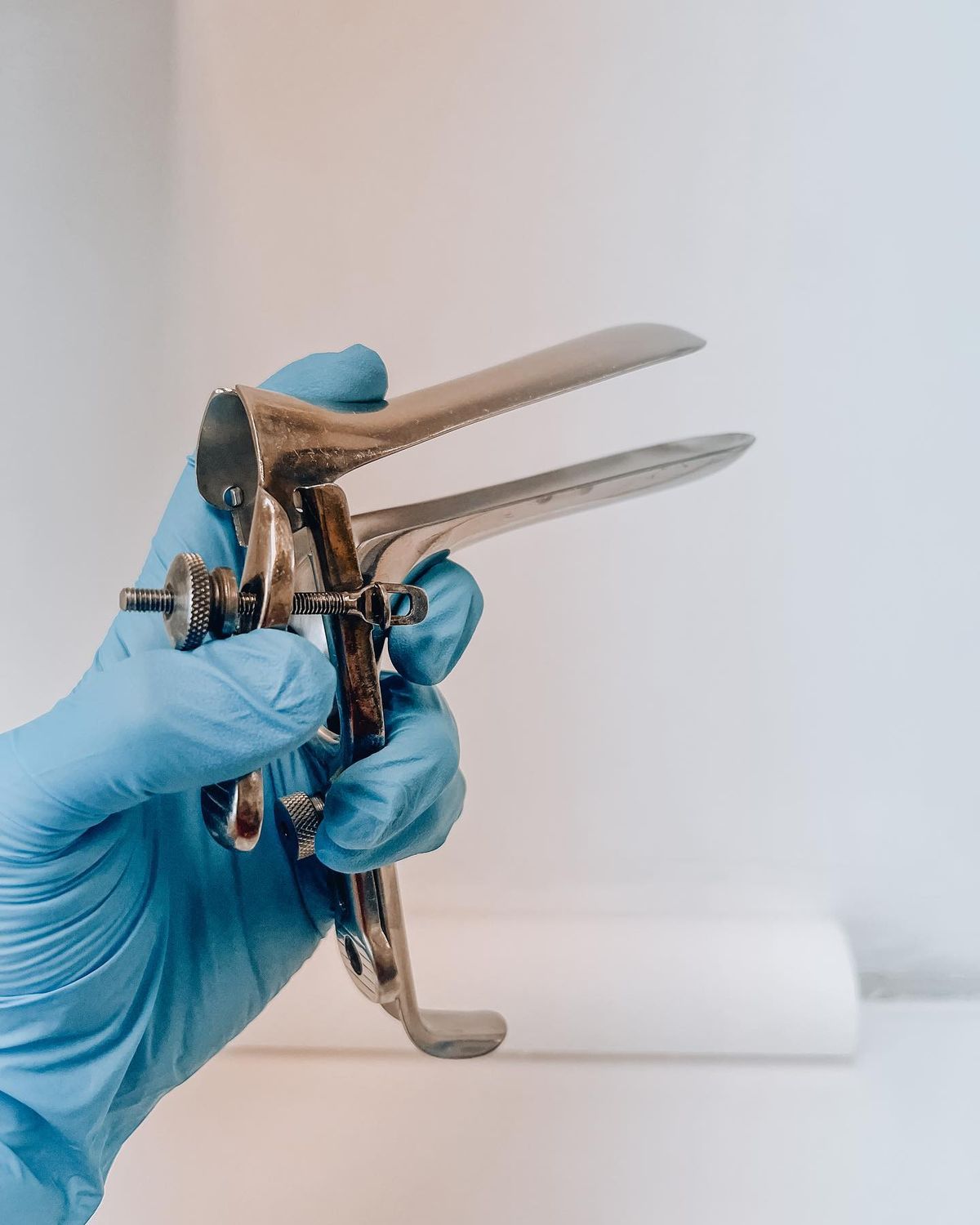
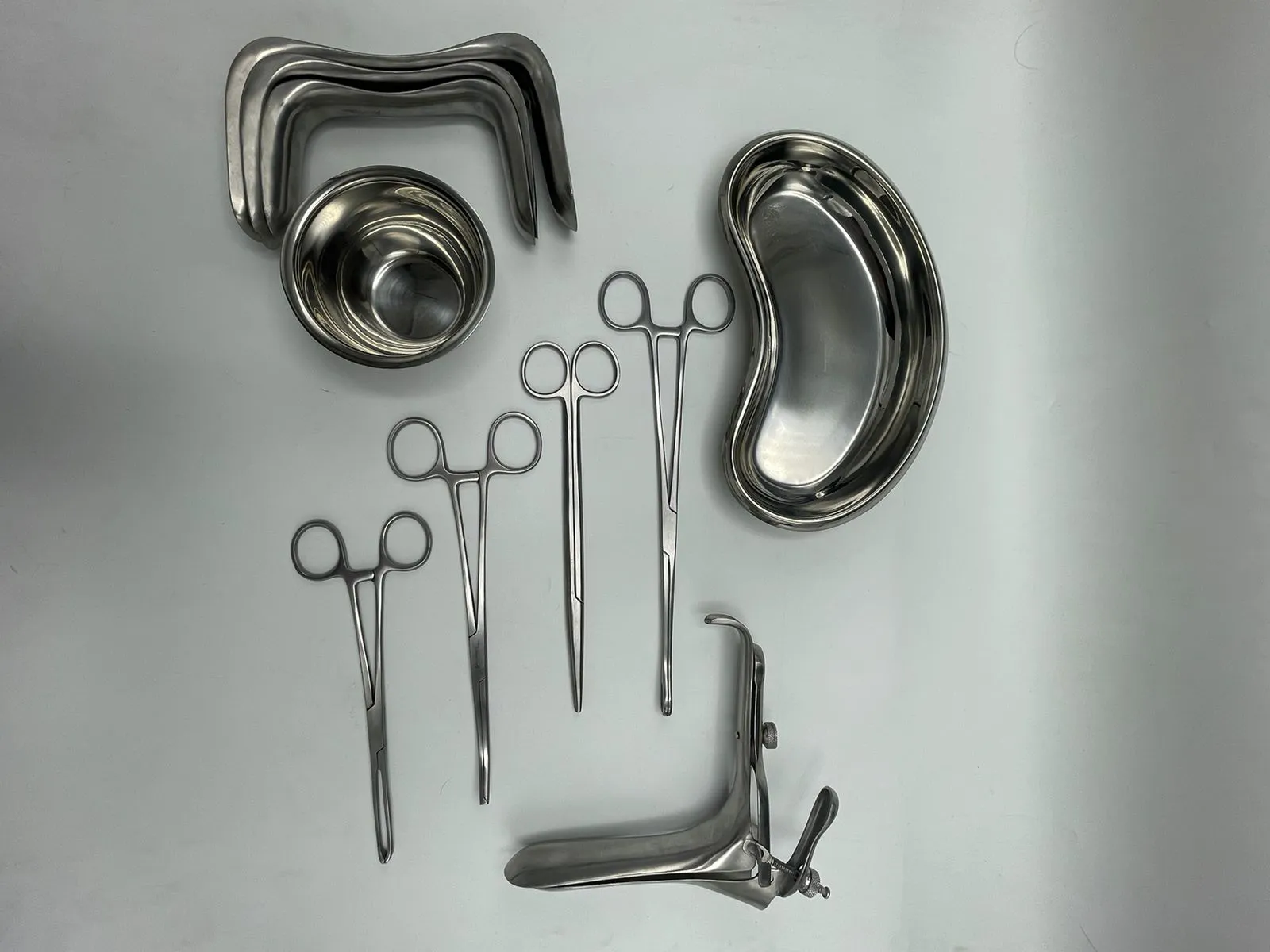
During the procedure, your healthcare provider inserts a speculum into the vagina to gently open it and view the cervix. They then collect cervical cells using a small brush or spatula. The test usually takes only a few minutes. While many women experience only pressure or mild discomfort, others may feel pain, particularly if they have vaginal dryness, anxiety, or an underlying pelvic condition.
Even so, regular Pap smears have dramatically reduced cervical cancer deaths through early detection.
Loop Electrosurgical Excision Procedure (LEEP)
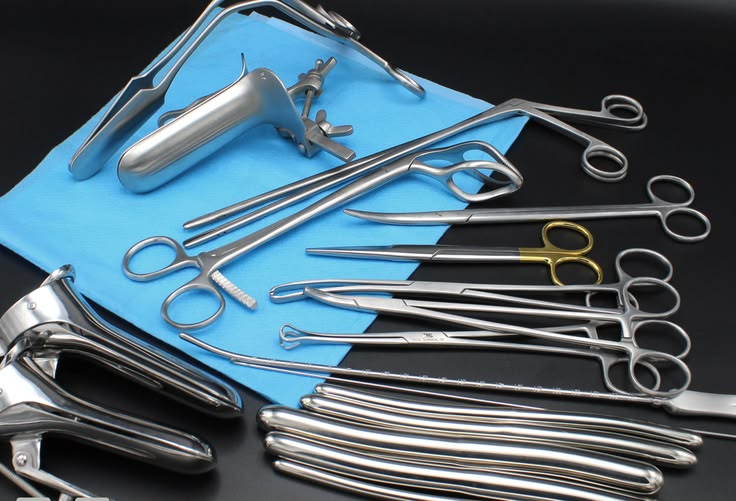
Doctors perform a Loop Electrosurgical Excision Procedure (LEEP) to remove abnormal cervical cells before they develop into cervical cancer.
Before beginning, the doctor injects a local anaesthetic into the cervix. Interestingly, many women report that this injection is the most painful part of the procedure. Next, the doctor uses a thin heated wire loop to remove the abnormal tissue. Mild cramping, spotting, and watery discharge are common during recovery, but these symptoms usually resolve within a few weeks.
Cervical Biopsy and Colposcopy
If a Pap smear detects abnormal cervical cells, your doctor may recommend a colposcopy and cervical biopsy for a closer examination.
First, the doctor uses a special microscope called a colposcope to examine the cervix. If they notice suspicious areas, they remove tiny tissue samples using biopsy forceps. Many women describe the biopsy as a sharp pinch followed by cramping. Although the discomfort lasts only a short time, it is often considered the most painful part of the examination.
Hysterosalpingogram (HSG)
A Hysterosalpingogram (HSG) is a specialized X-ray that helps doctors determine whether the fallopian tubes are open, making it an important test during fertility evaluations.
To perform the procedure, the doctor inserts a thin catheter through the cervix before slowly injecting a special dye into the uterus. As the dye fills the uterus and fallopian tubes, many women experience sudden cramping similar to—or even stronger than—menstrual cramps. If one or both tubes are blocked, the pain may feel more intense.
Fortunately, the discomfort usually fades shortly after the test is completed.
Endometrial Biopsy
Doctors perform an endometrial biopsy to investigate abnormal uterine bleeding, infertility, hormonal disorders, or possible uterine cancer.
During the procedure, the doctor passes a thin tube through the cervix to collect a small sample from the uterine lining. In many cases, no general anaesthesia is required. As a result, many women describe the cramp as sudden, intense, and surprisingly painful. The good news is that the pain usually lasts only a few moments.
IUD Insertion and Removal
An intrauterine device (IUD) is more than 99% effective at preventing pregnancy, making it one of the most reliable forms of reversible contraception.
To insert the device, the healthcare provider stabilizes and gently measures the cervix before placing the IUD inside the uterus. This process may trigger sharp cramping, dizziness, nausea, or even a temporary drop in blood pressure in some women. Although removal is usually quicker and less painful, some women still experience brief cramping.
Before the procedure, ask your healthcare provider about pain relief options that may help make the experience more comfortable.
Every Woman’s Experience Is Different
Pain is highly personal. While some women experience only mild discomfort during these procedures, others report moderate or severe pain. Factors such as anxiety, previous childbirth, underlying medical conditions, and individual pain tolerance can all influence the experience.
Therefore, never hesitate to discuss pain management with your healthcare provider. Depending on the procedure, they may recommend pain medication, local anaesthesia, relaxation techniques, or other strategies to improve your comfort.
The Bottom Line
Although these procedures can be uncomfortable, they play a vital role in protecting women’s health. They help detect cancers early, diagnose abnormal bleeding, investigate fertility challenges, prevent cervical cancer, and provide highly effective contraception.
Pain during a medical procedure should never be dismissed as something women simply have to endure. If you’re preparing for any of these procedures, ask your healthcare provider what to expect, discuss available pain relief options, and learn about the recovery process. Understanding the procedure can reduce anxiety, help you advocate for your comfort, and make the experience far less intimidating.