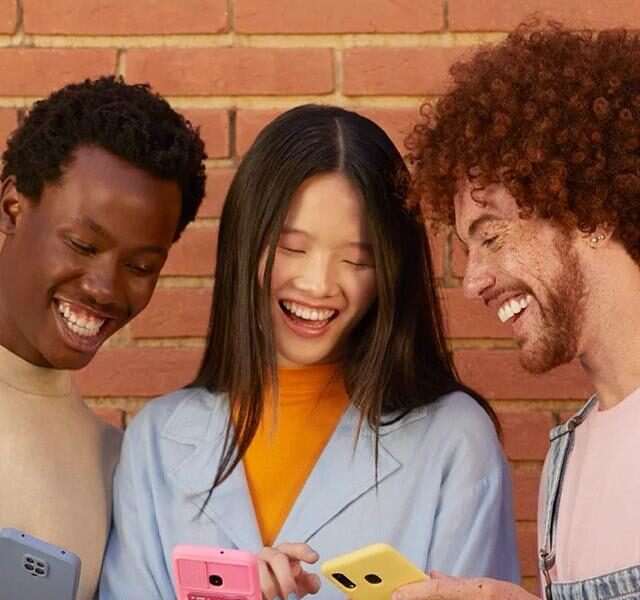
One emotional Instagram Live.
One leaked text message.
One celebrity breakup.
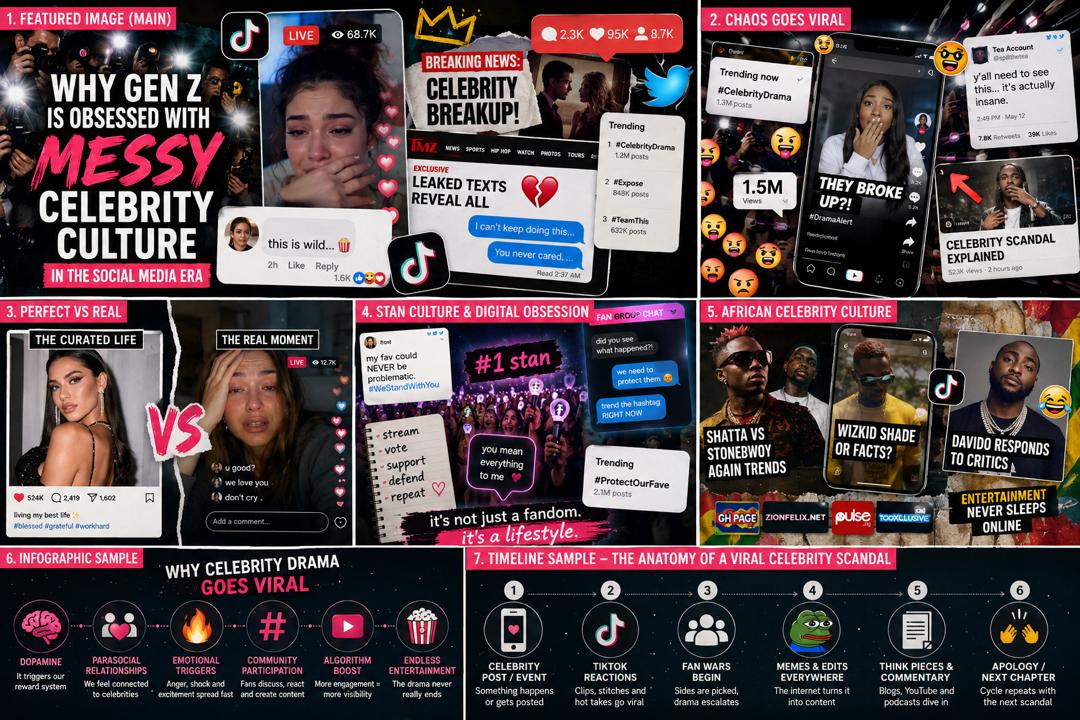
Within minutes, TikTok detectives, reaction channels, fan pages, and meme accounts are already dissecting the chaos in real time.
For Gen Z, messy celebrity culture is no longer just gossip — it is entertainment, community, and content all rolled into one.
From public relationship drama to emotional online breakdowns, today’s internet thrives on celebrities who appear raw, unpredictable, and deeply human. The more chaotic the moment, the faster it spreads across social media.
But why does Gen Z seem so fascinated by celebrity messiness in the first place?
Chaos Goes Viral
Social media platforms reward emotion and conflict. Whether it is a feud, scandal, breakup, or controversial interview, dramatic content almost always travels faster than polished celebrity branding.
A single clip can dominate timelines for days.
Fan wars involving Hailey Bieber and Selena Gomez repeatedly sparked millions of online reactions, while the controversial public behavior of Kanye West continues to fuel endless debates across social media.
Meanwhile, the toxic relationship drama surrounding Blueface and Chrisean Rock became internet spectacle consumed almost like reality television.
In the age of TikTok and X, celebrity drama has become episodic entertainment.

Perfect Celebrities Feel Boring Now
Older generations admired celebrities who appeared flawless and mysterious. Publicists controlled interviews, scandals stayed hidden, and stars maintained carefully polished images. Gen Z grew up online.
Young audiences today recognize filters, PR tactics, fake relatability, and curated lifestyles almost instantly. Because of this, perfection often feels artificial.
Messiness, however, feels authentic.
When celebrities cry online, overshare personal struggles, or post impulsively, audiences often interpret it as honesty rather than failure. Even controversial behavior can appear more relatable than a perfectly managed public image.
In modern celebrity culture, relatability matters more than perfection.
Stan Culture and Digital Obsession
Social media transformed fandom into full-time participation.
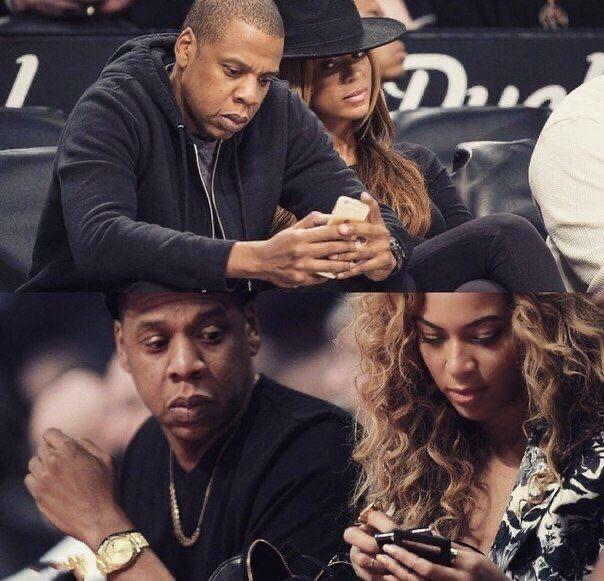
Fans no longer simply follow celebrities — they defend them, analyze them, and emotionally invest in their lives. These intense one-sided emotional attachments are known as parasocial relationships.
For Gen Z, celebrities feel unusually accessible because they livestream personal moments, post daily updates, and interact directly with followers online.
As a result, celebrity drama no longer feels distant. Fans experience it almost like friendship conflict unfolding publicly on their phones.
This explains why internet users spend hours:
- decoding song lyrics
- analyzing interviews
- creating fan theories
- defending celebrities during scandals
participating in online fan wars
The internet turned celebrity culture into interactive entertainment.
The African Version of Celebrity Messiness
Celebrity chaos is not limited to Hollywood.
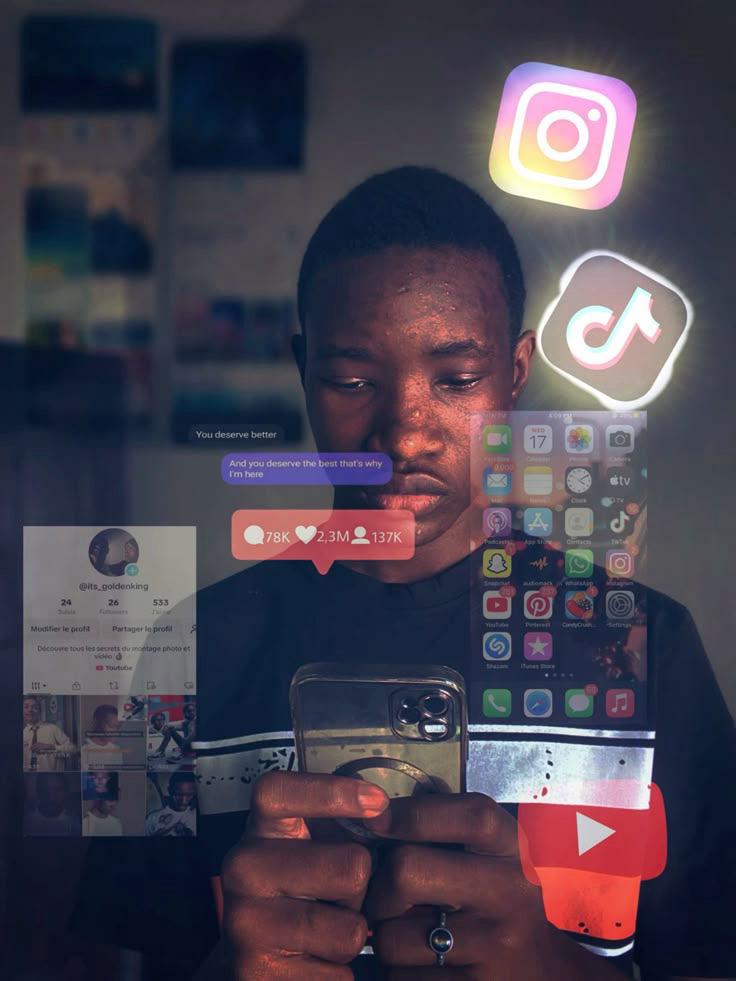
Across Ghana and Nigeria, social media users closely follow public feuds, relationship scandals, interviews, and online call-outs involving musicians and influencers.
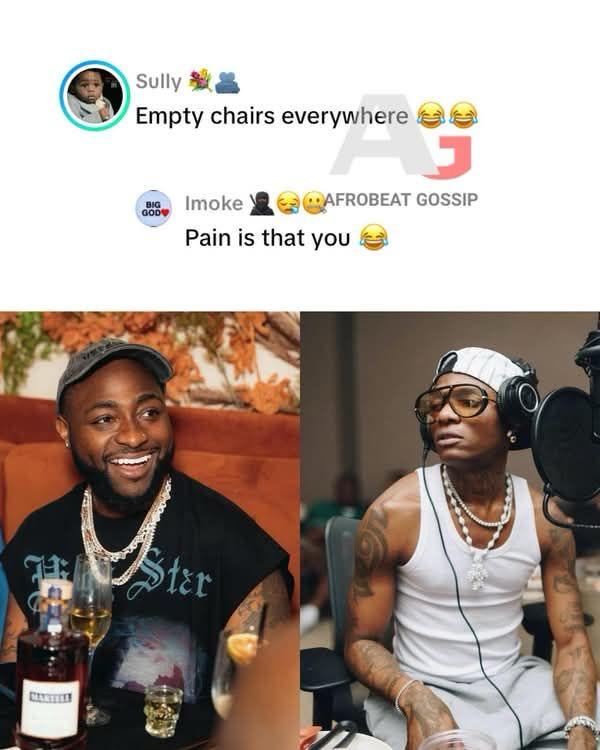
Fan rivalries involving Shatta Wale and Stonebwoy regularly dominate online conversations in Ghana, while Nigerian stars such as Wizkid and Davido generate massive engagement whenever controversy appears.
Entertainment blogs, TikTok gossip pages, YouTube commentators, and fan communities fuel these discussions daily.
For many young Africans, celebrity drama has become part of digital youth culture itself.
Why Our Brains Love Online Drama
Humans are naturally drawn to emotional conflict and storytelling. Social media simply amplifies this instinct.
Celebrity drama offers:
- escapism from daily stress
- emotional stimulation
- constant novelty
- group participation
- validation through shared opinions
Every update creates anticipation. Every scandal creates conversation.
The fast-paced nature of internet culture also triggers dopamine-driven behavior, where users continuously refresh feeds searching for new developments.
In many ways, celebrity chaos functions like a reality show that never truly ends.
When Real Trauma Becomes Internet Entertainment
Despite its entertainment value, messy celebrity culture also has a darker side.
Public breakdowns, addiction struggles, toxic relationships, and emotional instability are often consumed online as spectacle rather than serious human experiences.
Sometimes audiences forget that celebrities are real people navigating painful situations in front of millions of viewers.
The pressure of constant public scrutiny can severely affect mental health, especially in an era where every mistake becomes permanent online content.
Critics also argue that social media normalized unhealthy levels of oversharing and emotional exhibitionism.
Is Celebrity Chaos the New PR Strategy?
Not all celebrity messiness happens accidentally.
In today’s attention economy, controversy increases visibility, engagement, streaming numbers, and relevance. Some celebrities understand that chaos keeps them trending.
- A public feud generates headlines.
- A breakup revives media attention.
- A controversial interview dominates TikTok for days.
As a result, many internet users now question whether some celebrity scandals are genuine emotional moments or carefully calculated publicity tactics.
Either way, audiences continue watching.