For many women, painful periods are often dismissed as a normal part of life. They are told the pain will disappear after childbirth or with age. However, for some women, severe menstrual pain signals a serious medical condition.
Talata, a Ghanaian entrepreneur and former beauty queen, knows this reality all too well. At just 29 years old, doctors removed her womb after years of battling endometriosis and adenomyosis. Today, she has undergone 21 surgeries and continues to live with chronic pain.
Her story highlights the urgent need for greater awareness of endometriosis in Ghana and across Africa.
What Is Endometriosis?
Endometriosis occurs when tissue similar to the lining of the uterus grows outside the uterus. These growths can appear on the ovaries, bladder, bowel, pelvic organs, and, in rare cases, other parts of the body.
The condition can cause:
- Severe menstrual pain
- Heavy bleeding
- Chronic pelvic pain
- Pain during sex
- Painful urination
- Fatigue
- Brain fog
- Fertility challenges
Because endometriosis often mimics other conditions, diagnosis can take years.
Years of Pain Before a Diagnosis
Talata’s health struggles began long before she received an official diagnosis.
As a teenager, she frequently blacked out and suffered severe stomach pain. When she started menstruating at age 15, her periods were unusually heavy.
“I could use an entire pack of sanitary pads in a day,” she recalls.
Doctors prescribed contraceptives and hormone treatments to control the bleeding. However, the symptoms persisted.
Over the years, she received several diagnoses, including fibroids and other gynecological conditions. She even underwent surgeries for some of them.
Still, her health continued to deteriorate.
It was not until October 2020 that doctors finally diagnosed her with endometriosis. By then, she had spent nearly 15 years searching for answers.
When Endometriosis Mimics Other Conditions
One reason endometriosis remains difficult to diagnose is that its symptoms resemble many other medical conditions.
According to Talata, the disease can appear similar to:
- Fibroids
- Ovarian cysts
- Endometrial
- polyps
- Irritable bowel syndrome (IBS)
As a result, many women spend years receiving treatment for the wrong condition.
This delay can significantly affect quality of life and fertility outcomes.
Bleeding Every Day for a Year
One of the most devastating periods of Talata’s journey came when she bled continuously for an entire year.
The bleeding was not light spotting. Instead, it was heavy enough to leave her weak and dependent on blood transfusions.
Doctors administered medications and hormone treatments in an effort to stop the bleeding. Unfortunately, nothing worked.
“I was always tired. I was always in pain. I could do nothing,” she says.
The condition disrupted every aspect of her life, from work to social activities and even basic daily tasks.
Understanding Adenomyosis
Alongside endometriosis, Talata also developed adenomyosis.
Adenomyosis occurs when tissue that normally lines the uterus grows into the muscular wall of the uterus. Like endometriosis, it causes severe pain and heavy menstrual bleeding.
Unlike endometriosis, however, adenomyosis can often be treated through a hysterectomy.
For Talata, that decision came with enormous emotional consequences.
Choosing Life Over Fertility
In 2023, at just 29 years old, Talata underwent a hysterectomy to remove her uterus. The procedure ended her ability to carry a child.
“It was very difficult,” she says. “I chose life over fertility.”
Although the surgery stopped the adenomyosis-related bleeding, it could not cure her endometriosis.
The emotional impact remains profound.
“There are times when you see a child and think about what your own son or daughter would have been like. It hurts,” she admits.
Her experience reflects the hidden grief many women face when chronic illness affects their reproductive choices.
Living With Chronic Pain
Despite multiple surgeries, Talata continues to experience chronic pelvic pain.
Every week, she attends a pain clinic for treatment to help manage her symptoms. Even with medication, everyday activities remain challenging.
She struggles with fatigue, dizziness, sleep disturbances, and brain fog. Sitting for long periods often worsens the pain. As a result, maintaining traditional employment has become impossible.
Today, she operates a bakery from home, allowing her to manage her health while remaining economically active.
The Financial Burden of Endometriosis
Endometriosis is not only physically and emotionally exhausting. It is also expensive.
Talata says her family has spent enormous amounts on surgeries, medications, hospital visits, diagnostic tests, and specialist consultations.
The costs have become so significant that they have stopped trying to calculate them.
Her story highlights another challenge facing women in Ghana: access to affordable diagnosis and treatment.
Why More Awareness Is Needed in Ghana
Globally, an estimated 190 million women and girls live with endometriosis.
Despite these numbers, awareness remains low.
Many women still believe severe menstrual pain is normal. Others are told to endure the pain until they have children.
Talata wants that narrative to change.
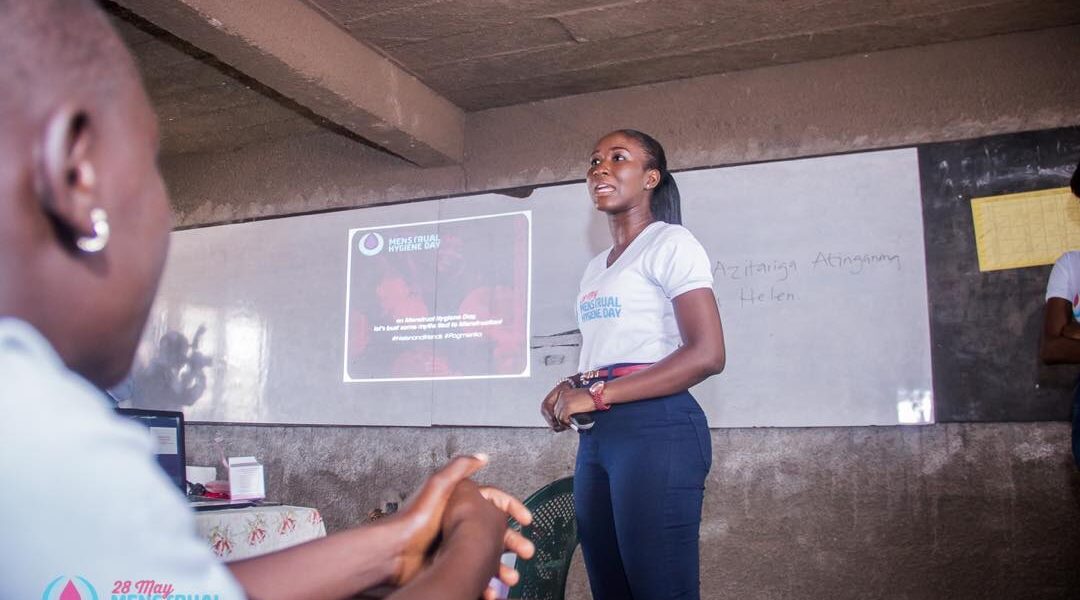
She believes parents, teachers, healthcare professionals, and policymakers must take menstrual pain more seriously.
“If a young girl says her periods are extremely painful, she should be taken to the hospital and properly assessed,” she says.
The Need for Affordable Diagnosis
One of Talata’s biggest advocacy goals is increasing access to laparoscopic procedures.
Laparoscopy remains the gold standard for diagnosing endometriosis. However, the procedure is often expensive and out of reach for many patients.
She hopes healthcare institutions, government agencies, and organizations will work together to make diagnosis more affordable.
Earlier diagnosis could prevent years of unnecessary suffering for thousands of women.