
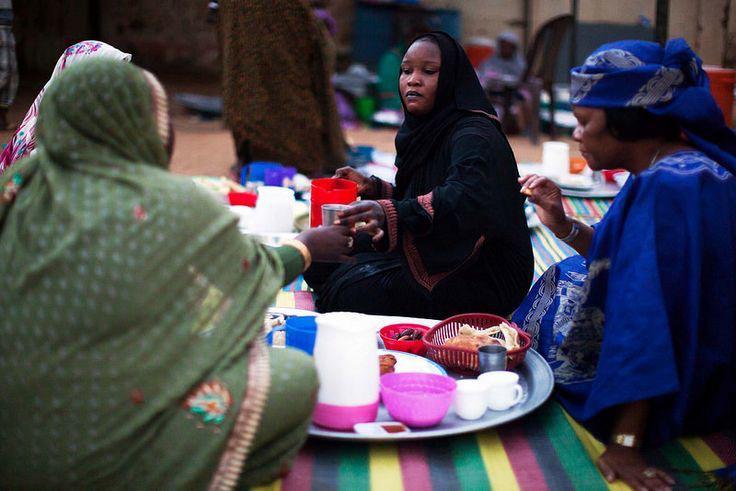
Eid al-Adha is one of the most important religious celebrations for Muslims around the world. In Ghana, the festival is observed with prayers, family gatherings, charity, and acts of sacrifice that reflect faith, compassion, and unity.
Often called the “Festival of Sacrifice,” Eid al-Adha honors the willingness of Prophet Ibrahim to sacrifice his son in obedience to God’s command. However, before the sacrifice could take place, God provided a ram instead. For Muslims, the story represents faith, obedience, and trust in God.
Today, Muslims across Ghana continue to celebrate the occasion with strong spiritual devotion and community support.
The Religious Significance of Eid al-Adha
Eid al-Adha takes place during the Islamic pilgrimage period known as Hajj. The celebration reminds Muslims about sacrifice, humility, generosity, and devotion to God.
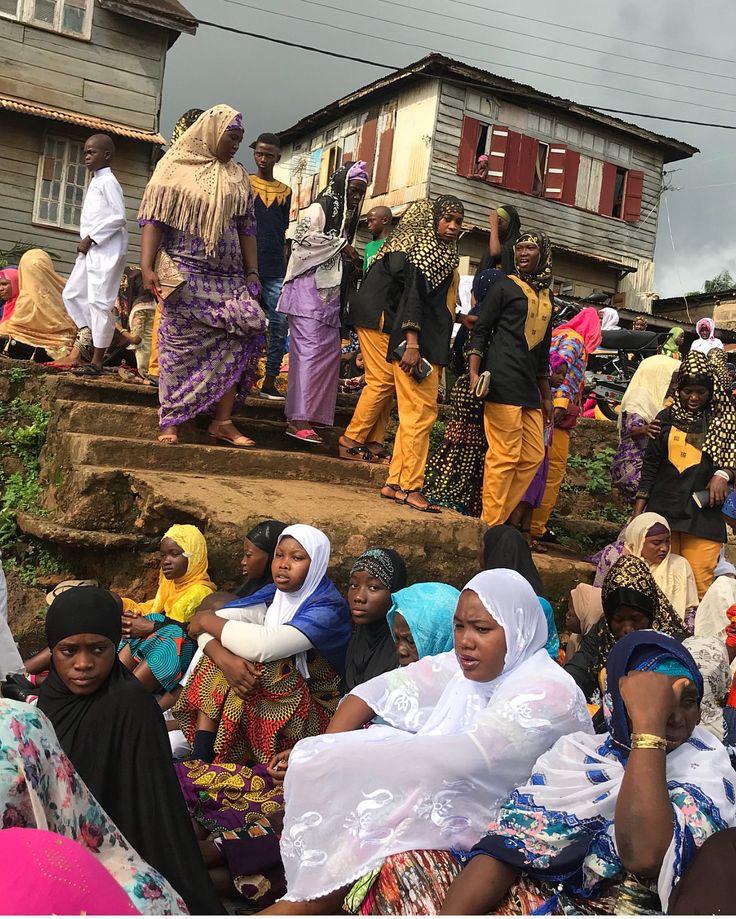
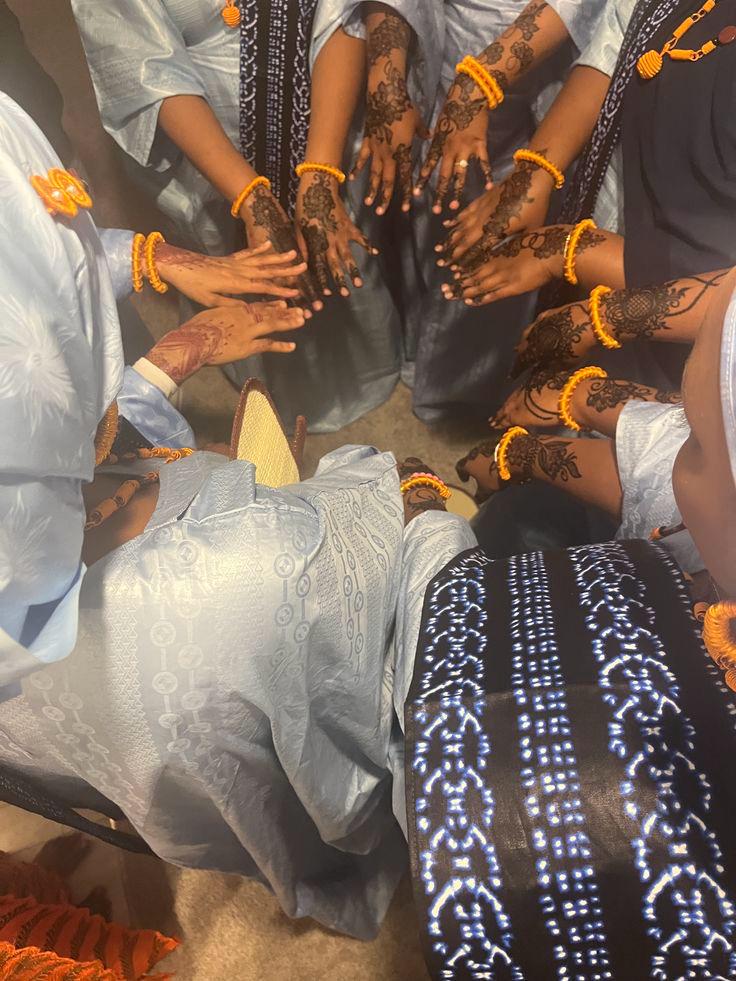
For many Muslim families in Ghana, the day begins with special congregational prayers held at mosques and open prayer grounds. Worshippers often wear beautiful traditional outfits and gather with relatives and friends after prayers.
Beyond the celebrations, Eid also encourages Muslims to reflect on compassion and the importance of helping others.
The Tradition of Sacrifice
One of the central traditions of Eid al-Adha is the sacrifice of animals such as sheep, goats, or cows. The meat is usually divided into portions for family members, neighbors, and people in need.
This act symbolizes sharing, kindness, and support for vulnerable communities. In many parts of Ghana, families use the occasion to donate food and support struggling households.
As a result, Eid al-Adha is not only a religious festival but also a time of generosity and social connection.
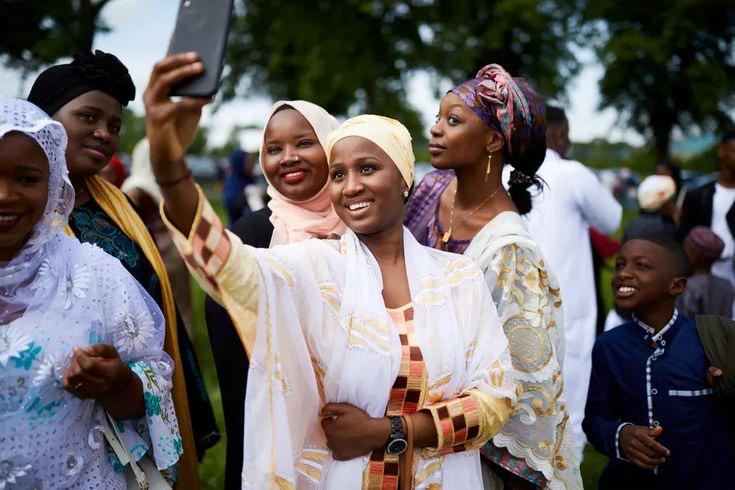
Family and Community Celebrations
During Eid, families gather to prepare meals, visit loved ones, and celebrate together. Popular meals often include rice dishes, grilled meat, kebabs, and local delicacies shared among relatives and guests.
Children also look forward to Eid because of the festive atmosphere, new clothes, and family activities.
In cities such as Accra, Kumasi, and Tamale, large Muslim communities organize prayers and celebrations that bring people together from different backgrounds.
Eid and the Spirit of Charity
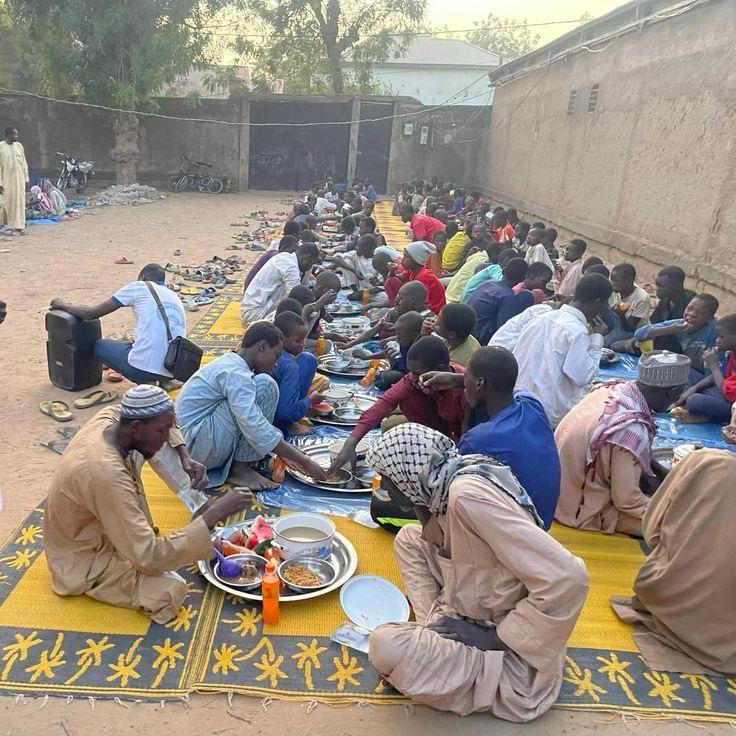
Charity remains one of the strongest themes of Eid al-Adha. Many Muslims use the celebration to support orphanages, donate food, and help families experiencing hardship.
Furthermore, community members often come together to ensure that vulnerable people can also enjoy the celebration. This spirit of giving strengthens social bonds and reflects the deeper values of Islam.
For many Muslims in Ghana, Eid is therefore not just about celebration. It is also about compassion, sacrifice, and community responsibility.
Preserving Tradition in Modern Times
Although lifestyles continue to change, many Muslim families in Ghana still preserve important Eid traditions through cooking, storytelling, prayer, and cultural practices passed down across generations.
At the same time, younger generations are blending traditional customs with modern celebrations, including fashion trends, social media sharing, and community events.
Despite these changes, the core meaning of Eid al-Adha remains rooted in faith, unity, and generosity.