
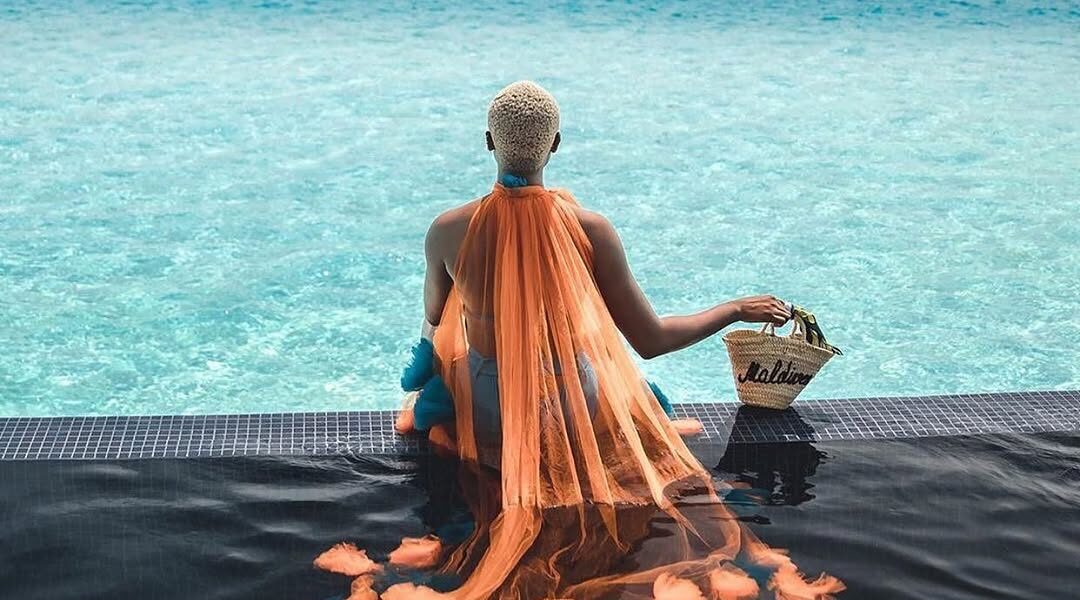
Aesthetic apartments. Expensive brunches. Glowing skin. Silk pajamas. Solo vacations. Calm morning routines.
Across TikTok and Instagram, “soft life” culture has become one of the most aspirational lifestyle trends for young women online.
The message seems simple: choose peace over struggle. Rest instead of burnout. Luxury instead of stress.
But beneath the carefully curated photos and calming lifestyle videos, many women are quietly experiencing something else entirely — pressure.
Pressure to look beautiful all the time. Pressure to appear financially successful. Pressure to seem emotionally unbothered. Pressure to live a perfectly aesthetic life online.
For many women, soft life culture no longer feels soft at all.
What Is “Soft Life” Culture?
Soft life culture promotes comfort, ease, emotional peace, and intentional living. The trend became especially popular after years of conversations around burnout and hustle culture.
For many women, especially Black and African women, the movement initially felt empowering because it challenged the expectation that women must constantly struggle and sacrifice to succeed.
In many ways, soft life culture began as a form of emotional rebellion.
When Soft Life Became Performance
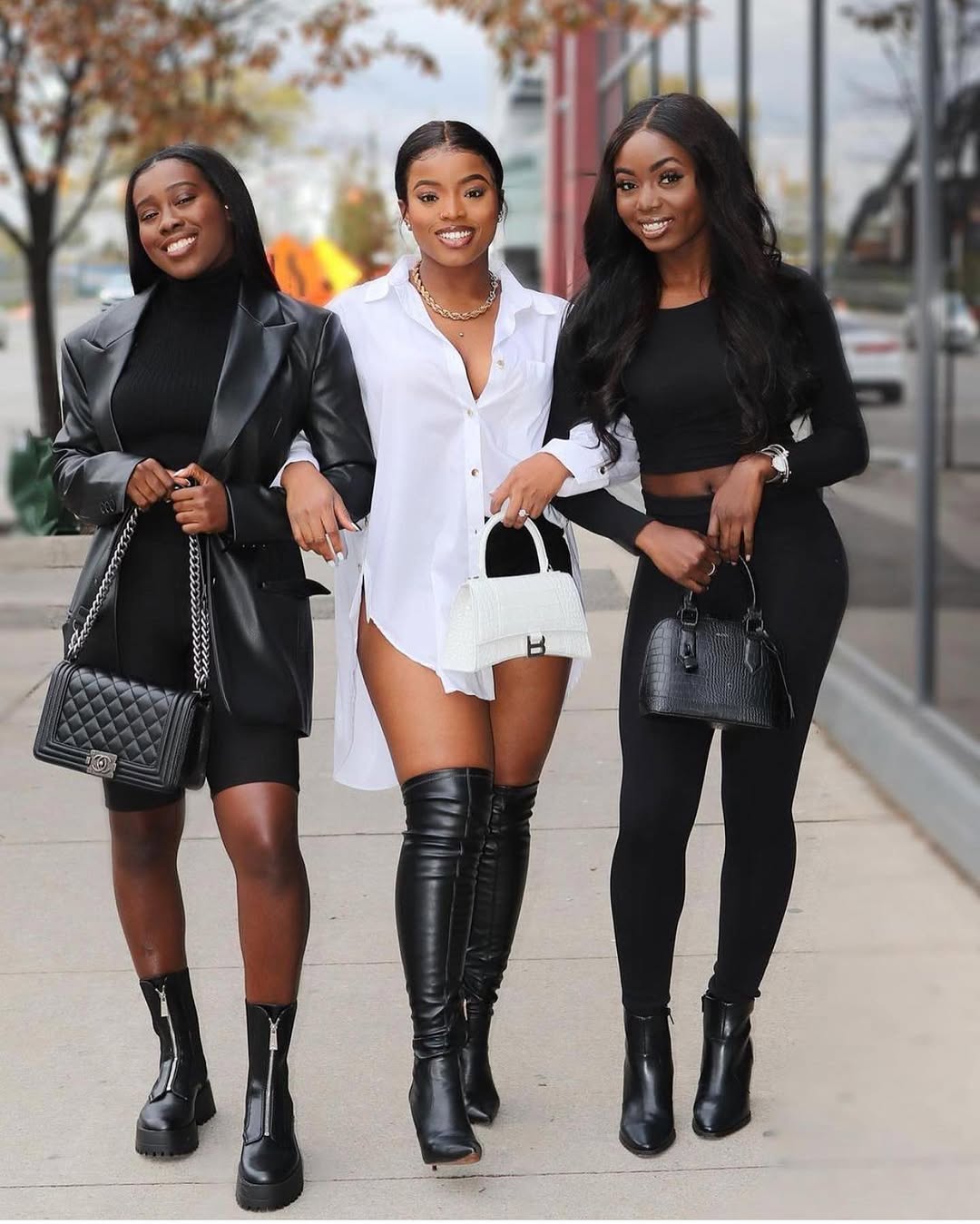
Over time, social media transformed the trend into visual performance.
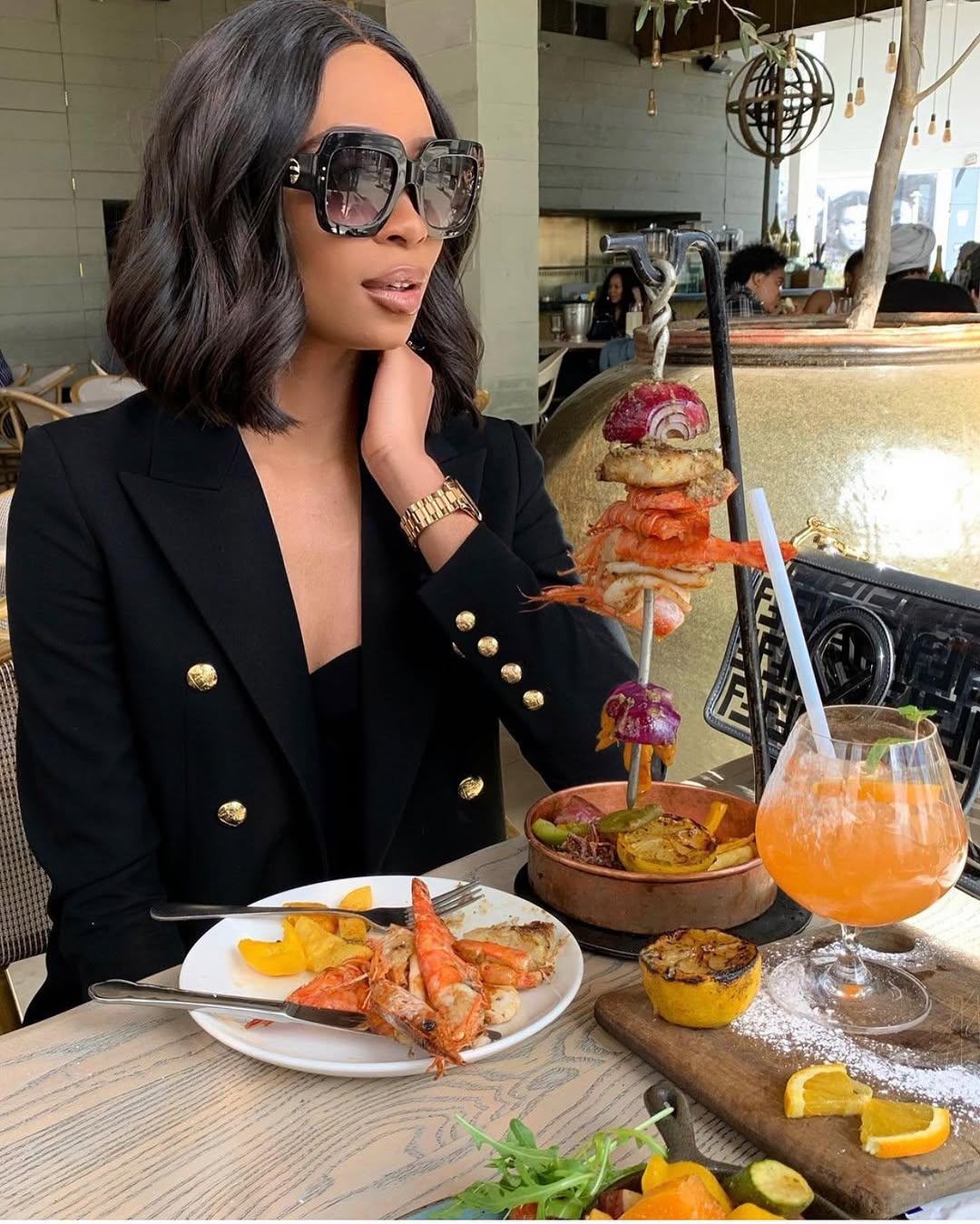
Soft life content slowly became associated with designer brands, luxury vacations, expensive skincare, flawless makeup, and perfectly curated lifestyles. The focus shifted from inner peace to outward appearance.
Today, many women feel they must “look soft” to qualify for the lifestyle. As a result, what started as self-care sometimes becomes another form of pressure.
The Beauty Standard Behind the Trend
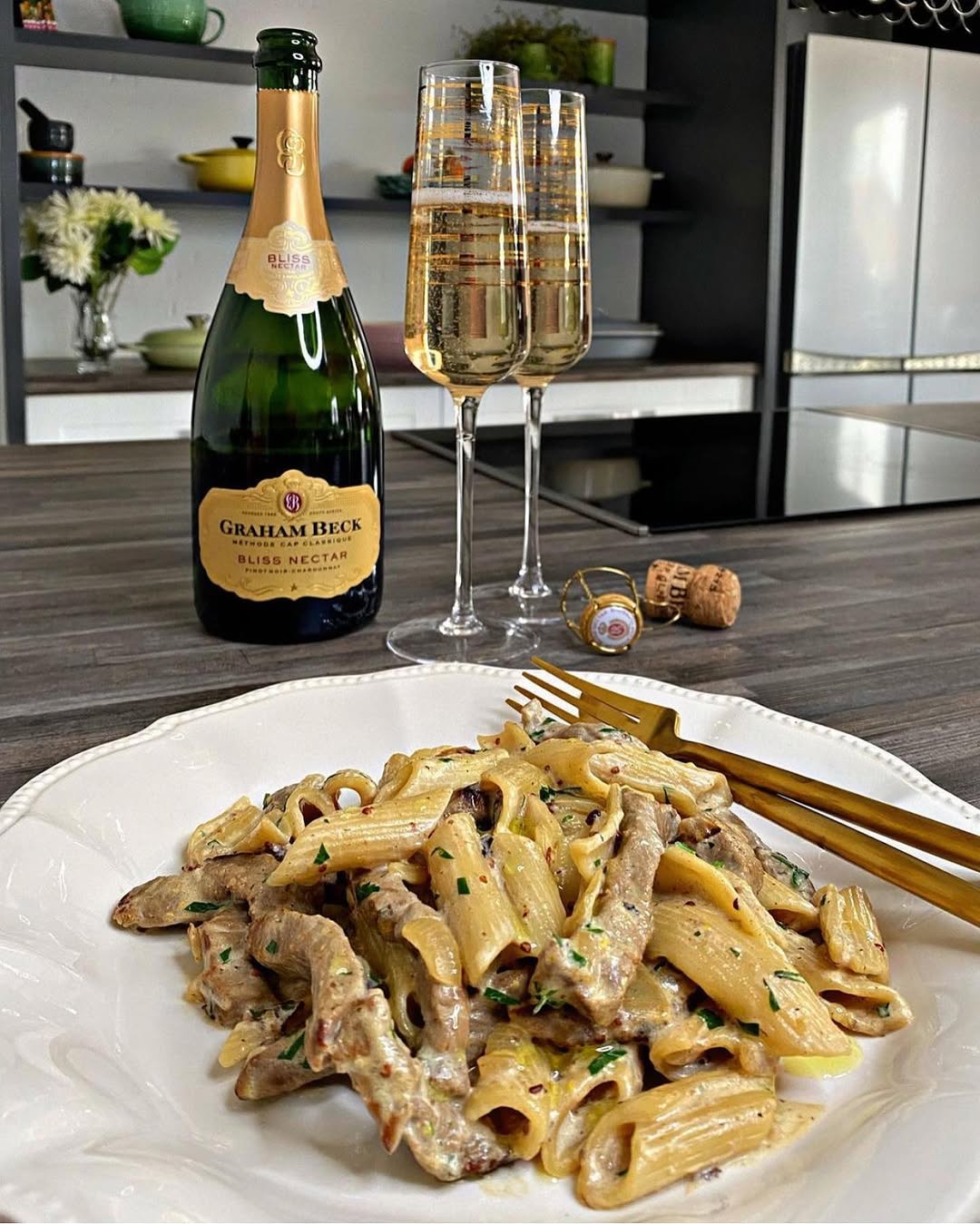
Soft life culture also reinforces subtle beauty expectations.
Women who embody the trend online often appear polished, feminine, financially comfortable, and emotionally calm at all times. Constant exposure to these images can create unrealistic standards for young women already dealing with social media comparison and online pressure.
In many cases, perfection is now being packaged as peace.
The Financial Pressure Nobody Talks About
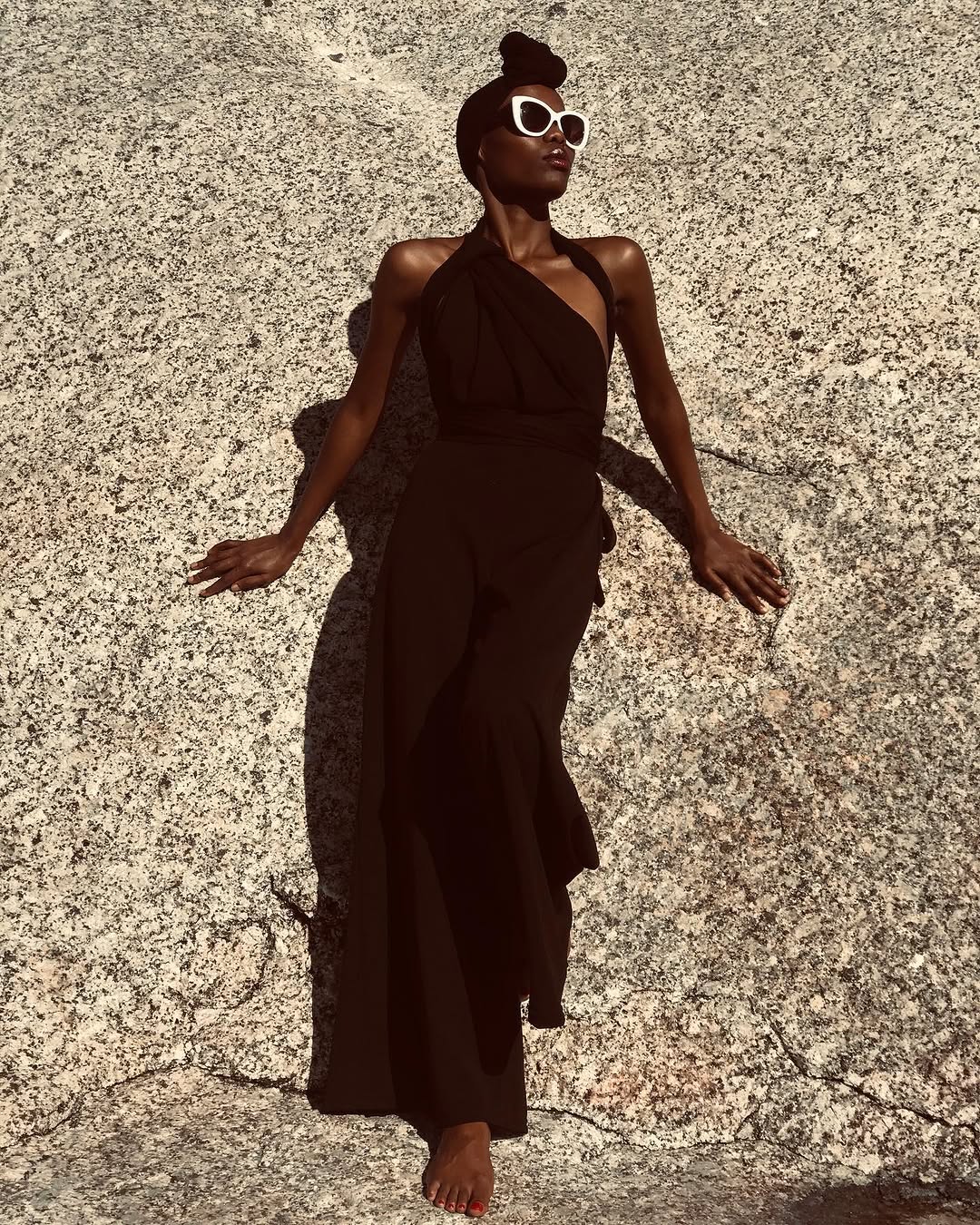
One major criticism of soft life culture is its connection to luxury consumption.
Many viral videos promote expensive lifestyles filled with designer fashion, aesthetic apartments, luxury dining, and constant self-care spending. Over time, the internet begins to blur the line between healing and consumerism.
As a result, some women start associating peace with money and appearance.
But real rest should not require luxury.
Redefining What a Soft Life Really Means
A genuine soft life does not require designer handbags, luxury vacations, or a perfectly curated social media feed.
Sometimes softness simply means getting enough rest, protecting your mental health, setting boundaries, and allowing yourself to live without constant pressure to perform.
Real peace is often much quieter than the internet suggests.
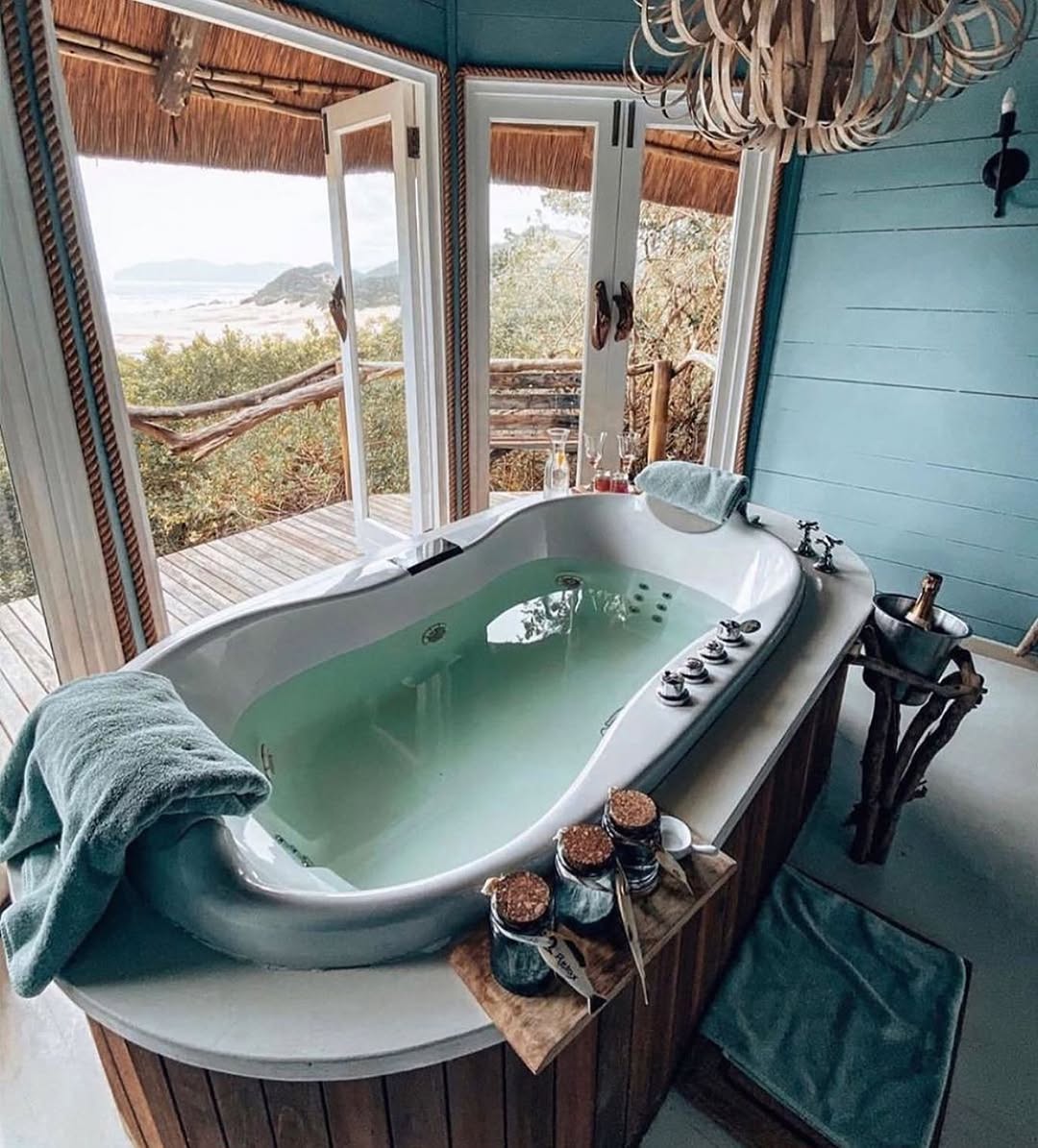
Despite the criticism, soft life culture continues to resonate because many women are genuinely tired of burnout and survival mode. They want balance, joy, emotional safety, and rest.
The problem is not the desire for softness. The problem is when social media transforms healing into performance.
Because ultimately, a soft life should feel peaceful — not performative.