
Traditional marriage rites are undergoing intense scrutiny as a generation of highly educated, financially independent women actively redefines the mechanics of partnership. Historically, the bride wealth or dowry served a purely symbolic function. It was a token of appreciation presented to the bride’s family, designed to forge an alliance and build goodwill between two kinship networks.
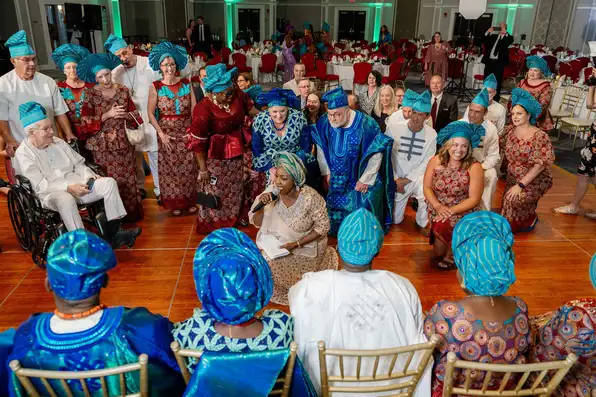
Today, that fundamental intent has been deeply distorted. The modern marriage list has frequently devolved into a commodified, high-stakes financial transaction. Families increasingly demand exorbitant cash sums and luxury goods, placing crippling financial strain on young couples before the marriage even begins. This commercialization has birthed a dangerous psychological byproduct: the notion of “ownership.” When a man is forced to pay a premium to secure a bride, the transaction often bleeds into the domestic dynamic. The woman is subtly treated as a purchased asset rather than an equal partner, and the dowry is weaponized to demand absolute subservience.

In response, the “Educated Woman’s Stance” has emerged. These women refuse to let a price tag dictate their worth. They seek to honor their cultural heritage while stripping away the markers that make the rites feel like a corporate acquisition. To neutralize the ownership dynamic, a growing demographic of couples now quietly fund their own traditional rites. By pooling their own resources to fulfill the family’s requests, they bypass external financial leverage and protect the bride’s autonomy. The ceremony becomes a shared project rather than a transfer of property.




Reclaiming the soul of these ceremonies requires confronting the commercialization head-on. Families must normalize open dialogues and realistic negotiations, scaling the marriage list back to its symbolic roots. A woman’s value is inherent; tradition should celebrate the joining of families, rather than acting as a financial tool to commodify her independence.