
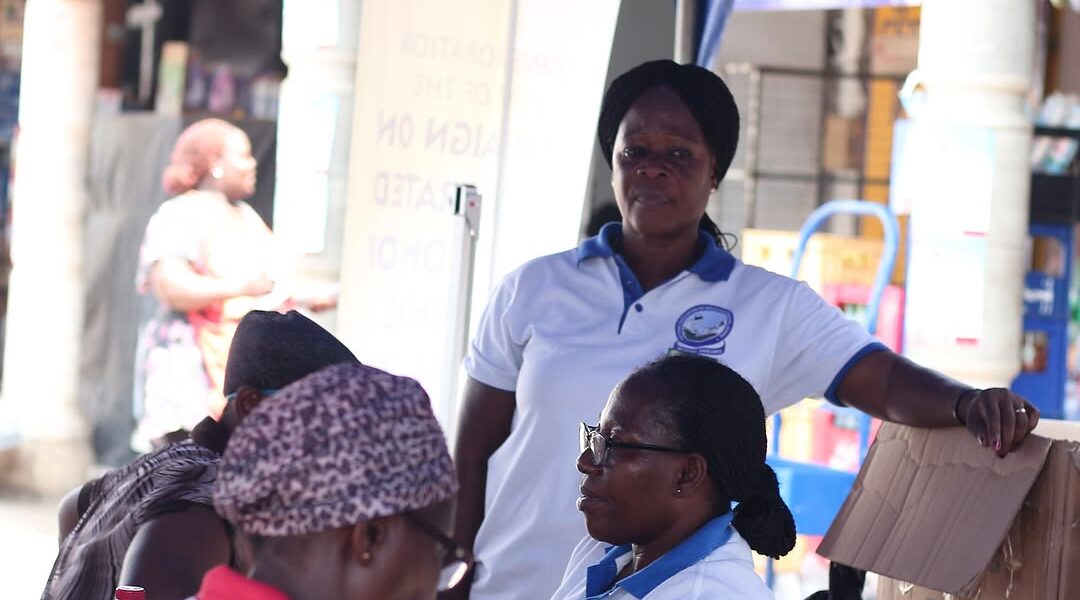
Walk into any hospital, clinic, or health centre in Ghana, and one thing becomes clear almost immediately: women are everywhere.
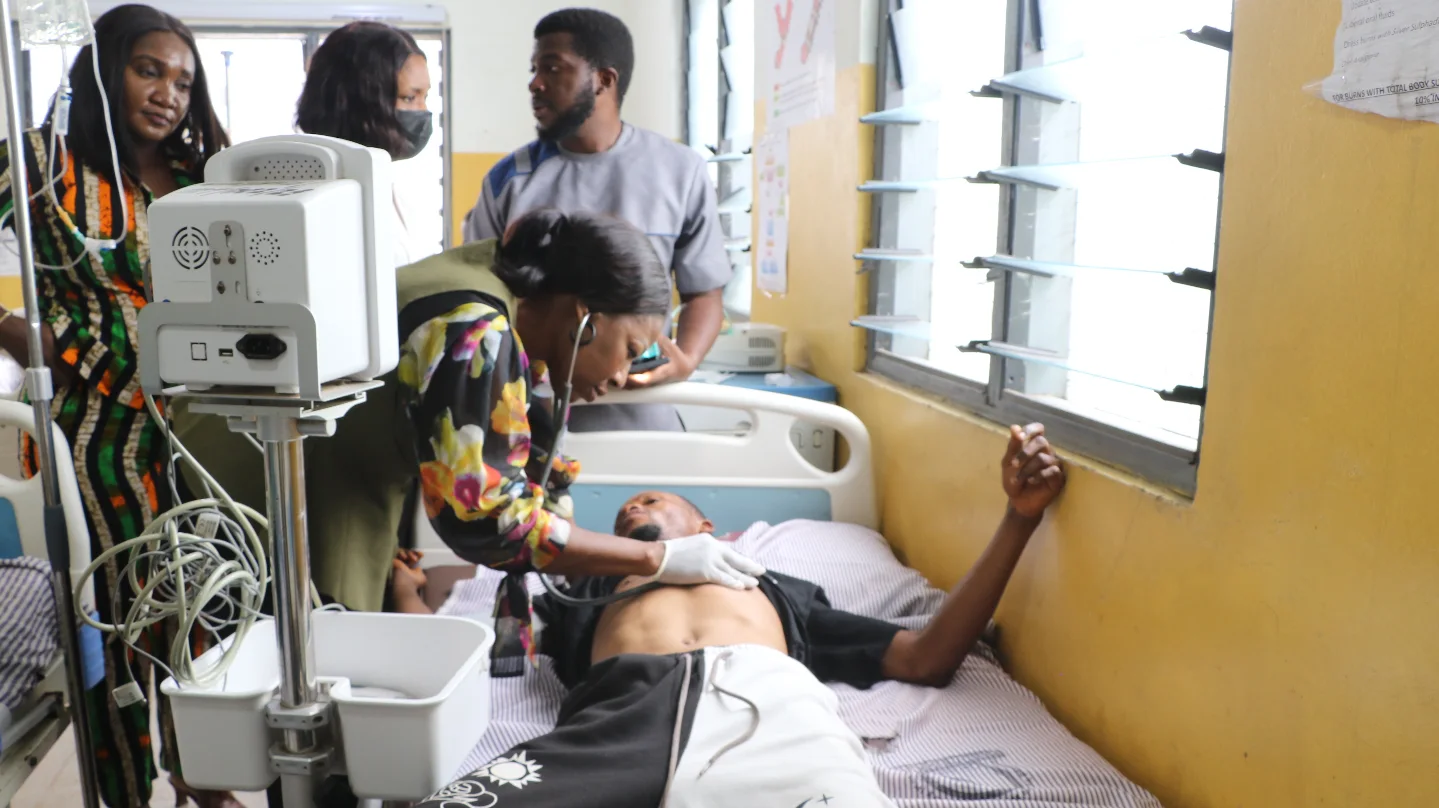
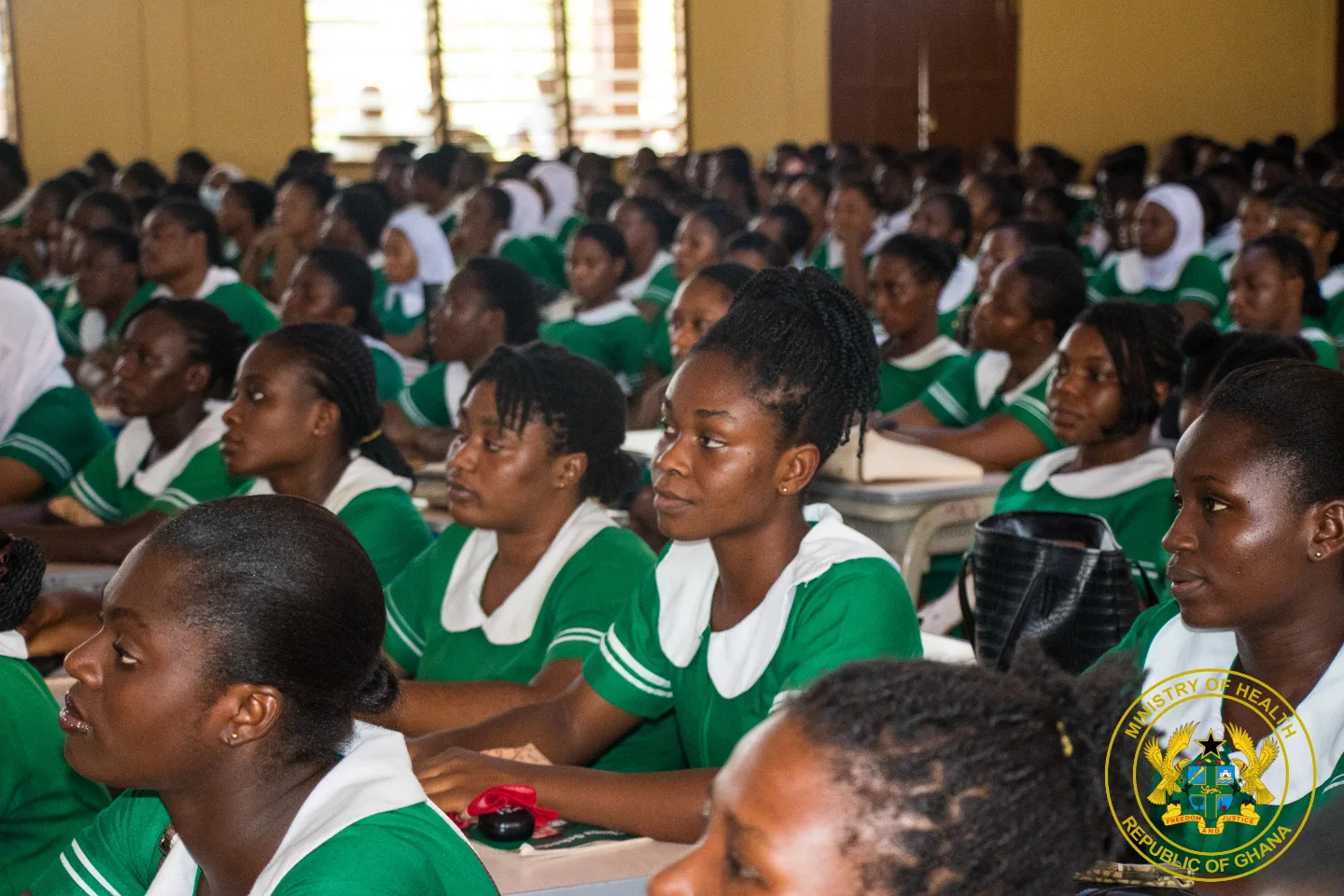
They are the nurses caring for patients through the night. They are the midwives helping mothers bring new life into the world. They are the pharmacists, laboratory scientists, public health officers, and increasingly, the doctors keeping Ghana’s healthcare system running.
Yet when it comes to leadership, the picture changes.
Despite women making up the majority of the health workforce globally, they remain significantly underrepresented in senior decision-making roles. According to the World Health Organization (WHO), women account for nearly 70% of the global health workforce but occupy only about 25% of leadership positions.
The question is simple but important: Why are the women doing most of the work still missing from many of the top seats?
The Leadership Gap No One Can Ignore
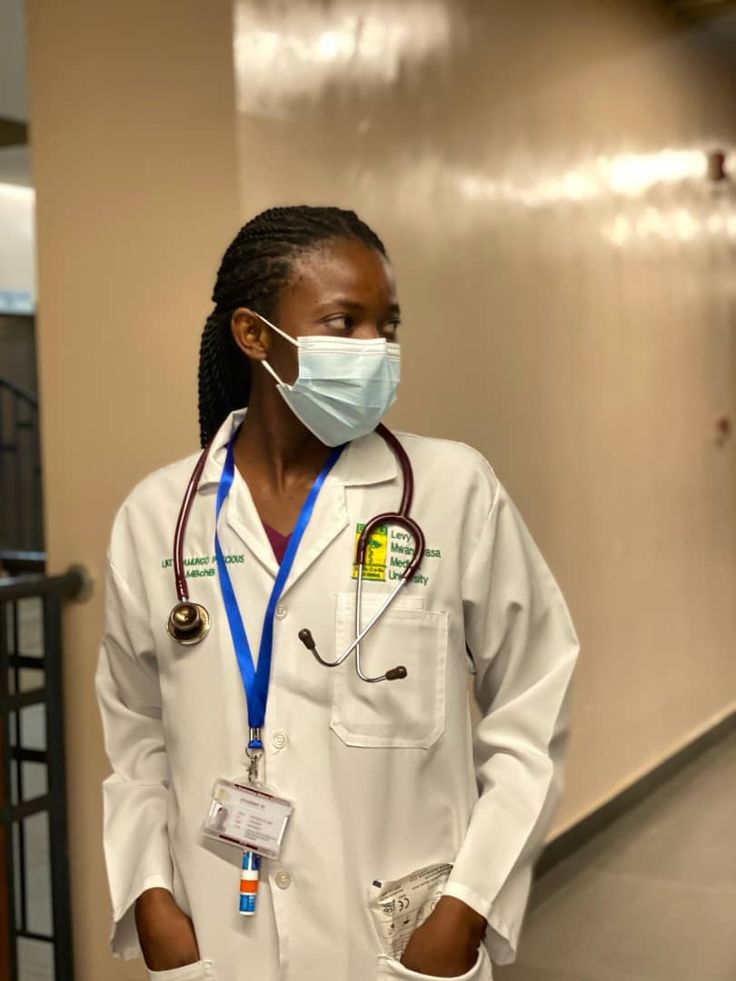
Women have become the backbone of healthcare delivery in Ghana.
From urban teaching hospitals to rural health compounds, female health professionals carry much of the system’s daily workload.
However, leadership positions tell a different story.
Hospital chief executives, directors, policymakers, and senior administrators remain disproportionately male.
This gap is not unique to Ghana. It is a global challenge that health experts have been highlighting for years.
The WHO argues that health systems cannot reach their full potential when the majority of the workforce is excluded from leadership and decision-making opportunities.
Why Mentorship Matters
Another challenge is the shortage of women in senior leadership positions. Simply put, there are fewer female mentors available to guide the next generation.
Mentorship plays a crucial role in career growth. It helps professionals build confidence, expand networks, and navigate workplace challenges.
When women do not see leaders who look like them, leadership can begin to feel less attainable.
That is why many health advocates are calling for stronger mentorship programmes specifically designed for women.
Several leadership initiatives supported by health institutions and international partners have already started addressing this gap.
However, experts say much more needs to be done.

Hidden Barriers in the Workplace
Not all obstacles are obvious. Some are built into workplace systems.
For example, promotion pathways often favour workers with uninterrupted career histories. This can disadvantage women who take maternity leave or temporarily step away from work to care for family members.
In other cases, leadership opportunities emerge through informal networks and professional circles where women may have less visibility. Gender stereotypes also continue to influence perceptions of leadership.
A man who is assertive may be viewed as confident.
A woman displaying the same qualities may be labelled differently. These biases, whether intentional or not, can shape hiring and promotion decisions.
Why More Women Leaders Benefit Everyone
This conversation is about more than representation. It is about results.
Research consistently shows that diverse leadership teams make better decisions, encourage innovation, and create healthier workplace cultures.
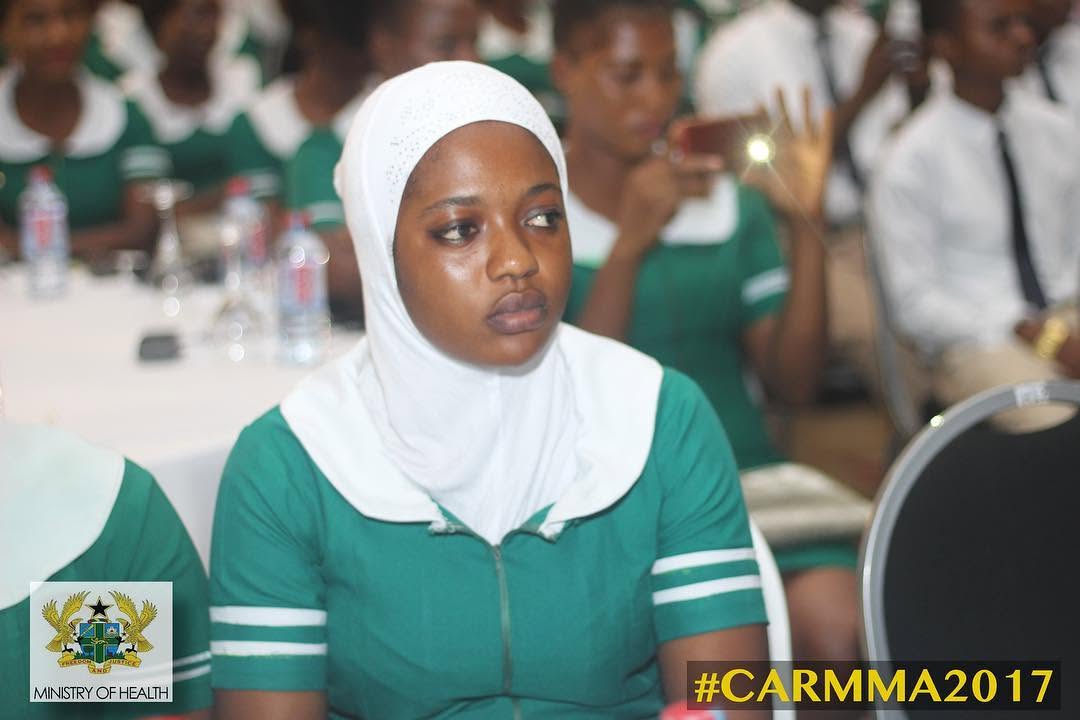
Women leaders often bring valuable frontline perspectives to policy discussions and healthcare planning.
They understand the realities facing nurses, midwives, patients, and communities because many have lived those experiences themselves.
When women have a voice in leadership, health systems become more responsive and inclusive. That benefits both workers and patients.
Ghana Is Beginning to Take Notice
There are encouraging signs. The Ghana Health Service has publicly reaffirmed its commitment to strengthening women’s leadership in healthcare.
Leadership fellowships, mentorship initiatives, and professional development programmes are helping more women prepare for senior positions.
Still, experts agree that progress must move faster. Without deliberate action, leadership gaps can persist for generations.

What Needs to Change?
Closing the leadership gap will require more than good intentions. Several solutions are already gaining support.
Stronger Mentorship Networks
Experienced female leaders can help younger professionals navigate challenges and access opportunities.
Leadership Training
Specialized programmes can equip women with the management and strategic skills needed for executive roles.
Family-Friendly Policies
Flexible work arrangements and stronger support systems can make leadership more accessible.
Fair Promotion Systems
Organizations must ensure promotions are based on merit and free from gender bias.
Representation Targets
Some experts advocate for gender targets to accelerate progress and increase female representation in leadership.
The Bottom Line
Women are already leading Ghana’s healthcare system in practice. They deliver care, manage patients, educate communities, and support families every day.
The challenge now is ensuring they also have a seat at the tables where decisions are made. Because when women lead, healthcare systems become stronger.
And when the people doing most of the work have a voice in shaping policy, everyone stands to benefit.