
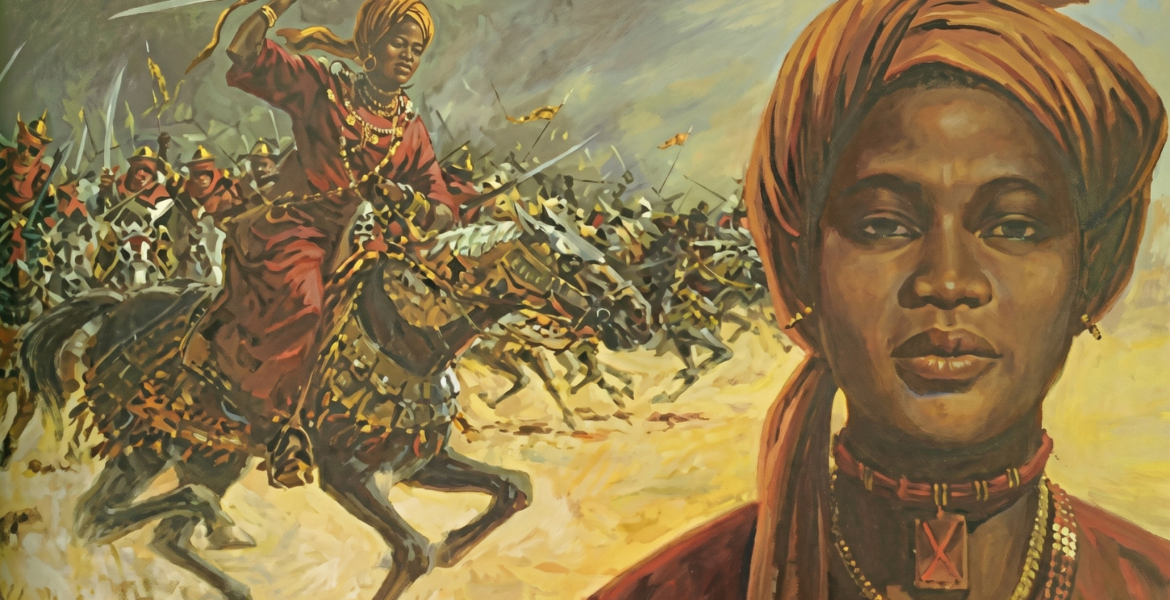
When many people think about the medieval world, they often picture Europe or Asia. However, Medieval Africa was also home to powerful empires, famous universities, advanced science, and thriving trade networks. From the scholarly city of Timbuktu to the wealth of the Mali Empire, African civilizations helped shape global history in remarkable ways.
Here are 10 fascinating Medieval Africa facts that reveal the continent’s innovation, influence, and achievements.
Africa Built Famous Universities Before Much of Europe
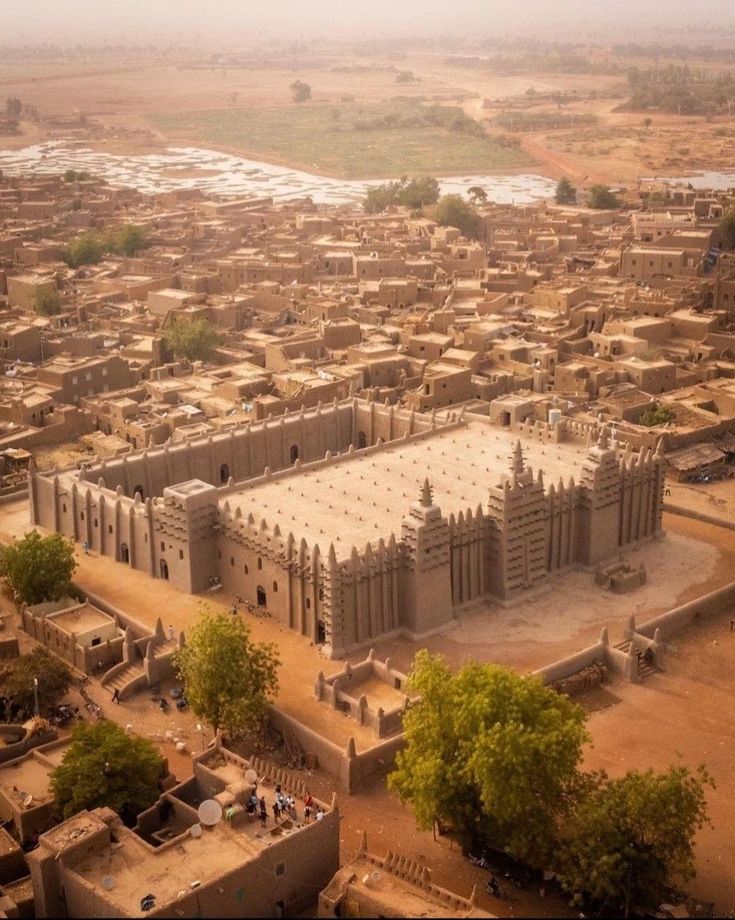
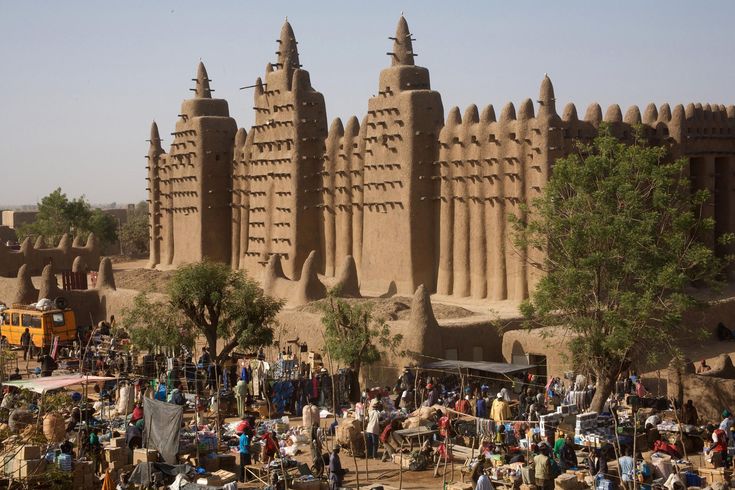
One of the most impressive Medieval Africa facts is that Africa had major universities long before many parts of Europe developed theirs. The University of Timbuktu, especially the Sankore learning center, became a global hub of education during the 12th century. Students studied mathematics, medicine, astronomy, law, and literature, attracting scholars from across Africa and the Islamic world.
Books Were More Valuable Than Gold in Timbuktu
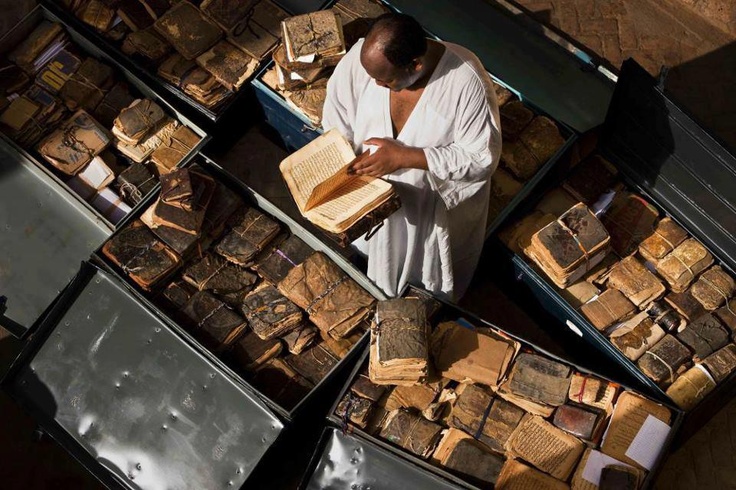
In Medieval Timbuktu, books symbolized wealth, intelligence, and status. Many scholars earned more money selling books than trading gold or salt. Families carefully preserved handwritten manuscripts for generations, helping Timbuktu grow into one of Africa’s greatest intellectual cities.
African Doctors Performed Advanced Surgeries
African medical knowledge was highly advanced for its time. In parts of East Africa, doctors performed trepanation, a form of skull surgery used to treat injuries and illnesses. Historical evidence suggests that many patients survived these operations. African healers also relied on herbal medicine and community-based healthcare systems.
Medieval African Cities Had Street Lighting
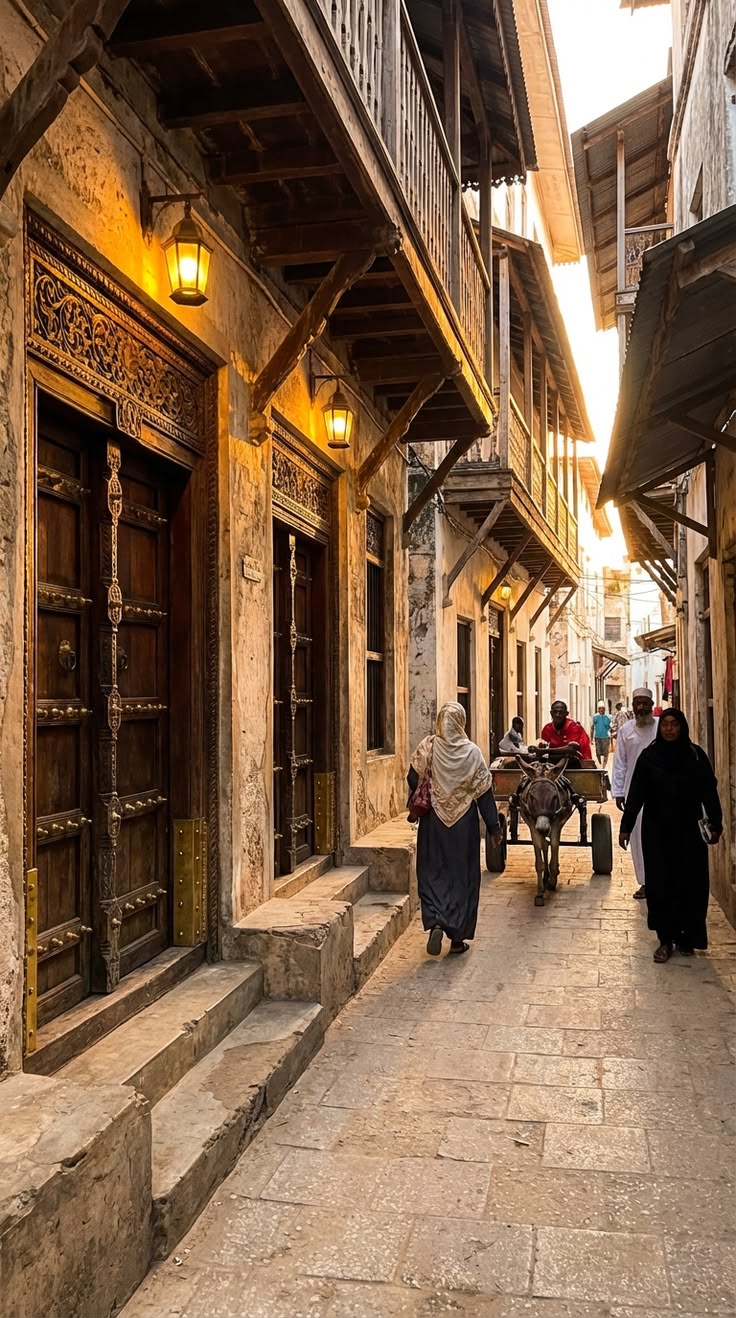
Several African cities used street lighting while many European cities remained dark at night. Cities such as Cairo, Fez, and Gao lit streets with oil lamps, improving safety and movement after sunset. These cities also featured organized markets, impressive architecture, and advanced urban planning.
Africa Had Powerful Female Military Leaders
Women held positions of political and military power in several African kingdoms. One of the most famous rulers was Queen Amina of Zazzau, a skilled military commander from present-day Nigeria. She expanded her kingdom through strong leadership and strategic military campaigns.
The Mali Empire Became One of the Richest Empires in History
The Mali Empire reached its peak during the 13th and 14th centuries because it controlled major trans-Saharan trade routes. West African gold supported scholarship, architecture, trade, and economic growth across North Africa and the Middle East. Rulers like Mansa Musa became internationally famous for their wealth and influence.
African Explorers May Have Reached the Atlantic Before Columbus
Some historians believe West African sailors explored parts of the Atlantic Ocean before Christopher Columbus. Oral traditions and historical accounts suggest African explorers possessed advanced navigation knowledge and strong seafaring skills, although historians still debate the evidence.
African Astronomers Used Advanced Scientific Knowledge
African astronomers carefully observed stars, planets, and seasonal changes to create calendars for farming and religious events. Communities used astronomy to predict planting seasons, guide navigation, organize festivals, and track time accurately.
Salt Was Traded Like Gold in West Africa
Salt was one of the most valuable resources in Medieval Africa because people needed it to preserve food and survive in hot climates. Traders sometimes exchanged salt ounce-for-ounce with gold, showing how essential it was to daily life.
Medieval African Empires Connected the World
Medieval African kingdoms traded with Europe, the Middle East, India, and China through vast trade networks. Merchants exchanged gold, ivory, textiles, books, and ideas, helping African civilizations influence global economies and cultures.