

Many women blame stress, busy schedules, or lack of sleep when they feel constantly tired. While these factors can certainly affect energy levels, another common health issue often goes unnoticed: iron deficiency.
Iron deficiency is one of the most common nutritional deficiencies worldwide, particularly among women. Yet many women fail to recognize the early warning signs until the condition begins to affect their daily lives.
Understanding the hidden signs of iron deficiency can help women seek treatment early and avoid serious complications.
Why Is Iron Important?
Iron plays a vital role in the body. It helps produce hemoglobin, a protein in red blood cells that carries oxygen from the lungs to the rest of the body.
When iron levels drop, the body struggles to transport enough oxygen to tissues and organs. As a result, many physical and mental symptoms can develop.
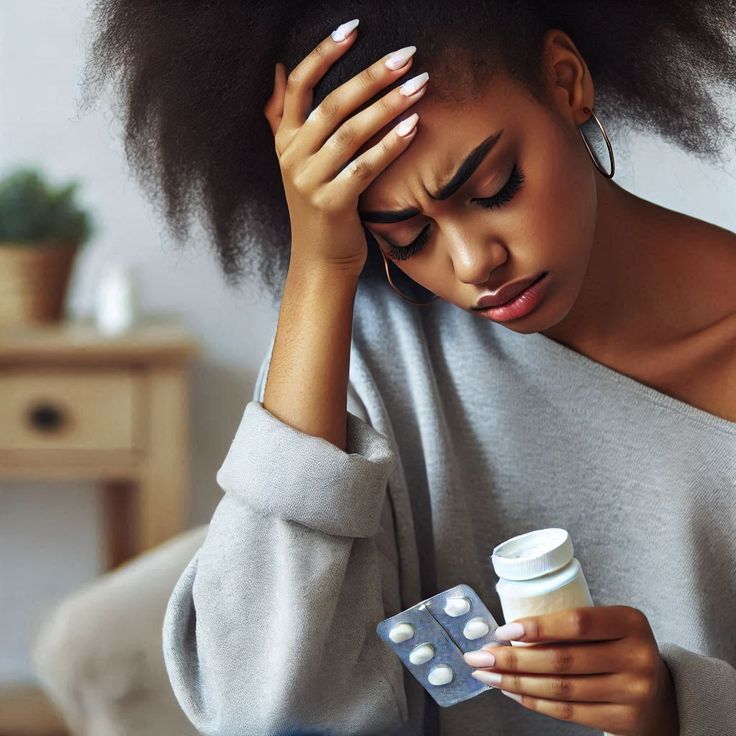
Constant Fatigue That Doesn’t Improve
Feeling tired after a long day is normal. However, persistent fatigue that continues despite adequate rest may signal iron deficiency.
Women with low iron levels often describe feeling exhausted even after sleeping well. Everyday activities may suddenly feel more difficult than usual.
If fatigue begins interfering with work, family responsibilities, or daily routines, it may be time to investigate the cause.
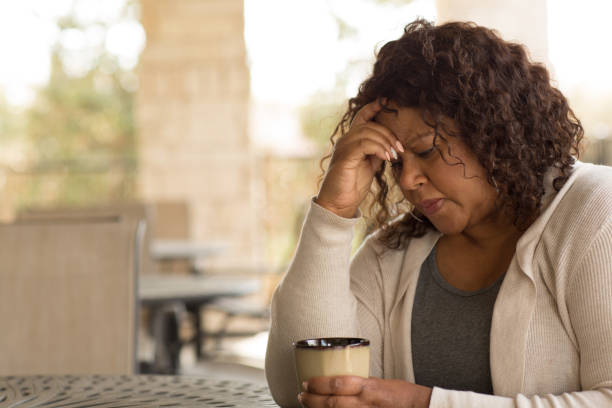
Frequent Headaches and Dizziness
Many women experience occasional headaches. However, recurring headaches combined with dizziness or lightheadedness could indicate low iron levels.
Reduced oxygen delivery to the brain may contribute to these symptoms.
Some women also notice that they feel dizzy when standing up quickly or after physical activity.

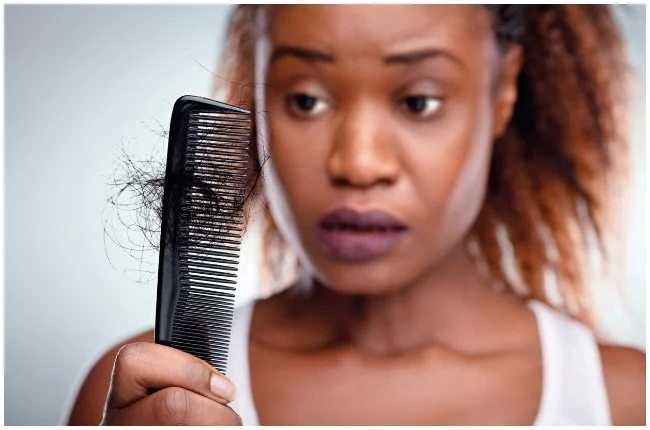
Hair Loss and Thinning Hair
Hair loss can result from several factors, including stress and hormonal changes. However, iron deficiency is another possible cause.
When the body lacks sufficient iron, it prioritizes essential functions over hair growth. As a result, women may notice excessive shedding or thinning hair.
While occasional hair loss is normal, persistent hair thinning should not be ignored.
Difficulty Concentrating
Have you been struggling to focus lately?
Low iron levels can affect cognitive function and concentration. Some women describe experiencing “brain fog,” forgetfulness, or difficulty completing tasks that once seemed simple.
These symptoms can affect performance at work, school, or home.
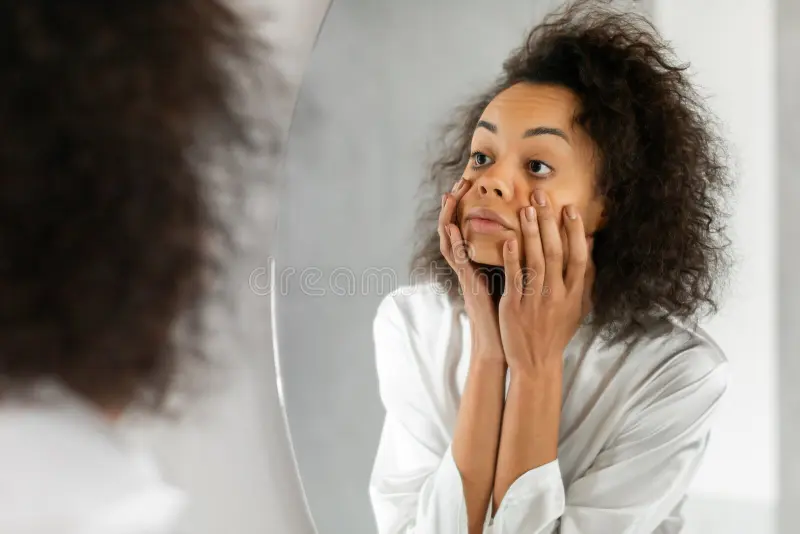
Pale Skin and Dark Under-Eye Circles
Changes in appearance may also provide clues.
Women with iron deficiency often develop pale skin because lower hemoglobin levels reduce the amount of oxygen-rich blood circulating through the body.
Some women also notice persistent dark circles under their eyes.
Although these signs do not always indicate iron deficiency, they may warrant medical attention when combined with other symptoms.
Shortness of Breath
Do you find yourself becoming breathless after climbing stairs or performing light exercise?
Low iron levels can make it harder for the body to supply oxygen to muscles and tissues. As a result, activities that once felt easy may suddenly leave you feeling out of breath.
Cold Hands and Feet
Many women with iron deficiency complain of feeling cold even when others feel comfortable.
Poor oxygen circulation may contribute to cold hands, cold feet, and increased sensitivity to low temperatures.
Who Is Most at Risk?
Certain women face a higher risk of developing iron deficiency, including:
- Women with heavy menstrual periods
- Pregnant women
- Women who recently gave birth
- Vegetarians and vegans who do not consume enough iron-rich foods
Women with digestive disorders that affect nutrient absorption
How Can Iron Deficiency Be Diagnosed?
A simple blood test can determine whether iron deficiency is present.
Doctors may evaluate hemoglobin levels, iron stores, and other markers to identify the underlying cause.
Because many symptoms overlap with other health conditions, professional evaluation remains essential.
Preventing Iron Deficiency
Women can support healthy iron levels by:
Eating iron-rich foods such as lean meat, fish, beans, lentils, and leafy green vegetables
Pairing iron-rich foods with vitamin C to improve absorption
Seeking medical advice if heavy menstrual bleeding occurs
Attending routine health checkups
Early intervention often prevents more serious health problems.
The hidden signs of iron deficiency in women often appear gradually. Fatigue, headaches, hair loss, poor concentration, and shortness of breath may seem unrelated at first, but together they can signal a deficiency that requires attention.
Listening to your body matters. If you experience persistent symptoms, consult a healthcare professional. A simple test could provide answers and help you restore your energy, focus, and overall well-being.