
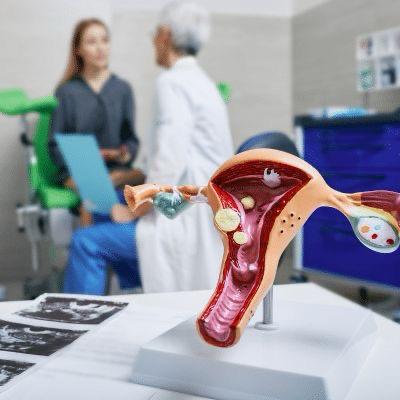
Many women quietly wonder whether their bodies are showing healthy fertility signs. While medical tests provide accurate answers, your body often sends natural signals that your reproductive system is functioning properly.
From regular menstrual cycles to noticeable ovulation symptoms, understanding these patterns can help you feel more informed about your reproductive health. Although every woman’s body is different, certain signs commonly suggest healthy fertility.
Here are five common signs of good fertility every woman should know.
Regular Menstrual Cycles
A regular menstrual cycle is one of the clearest signs of good fertility. When your period arrives consistently every month, it often means your hormones and ovulation are working together properly.
Most healthy menstrual cycles occur every 21–35 days. While slight variations are normal, constantly missing periods or experiencing unpredictable cycles may point to hormonal imbalances.
Signs of a Healthy Menstrual Cycle
- Your period comes around the same time monthly
- Your cycle lasts between 21–35 days
- Your flow lasts about 3–7 days
- You rarely skip periods unexpectedly
A healthy menstrual cycle often reflects balanced reproductive hormones and regular ovulation.

Egg White Cervical Mucus
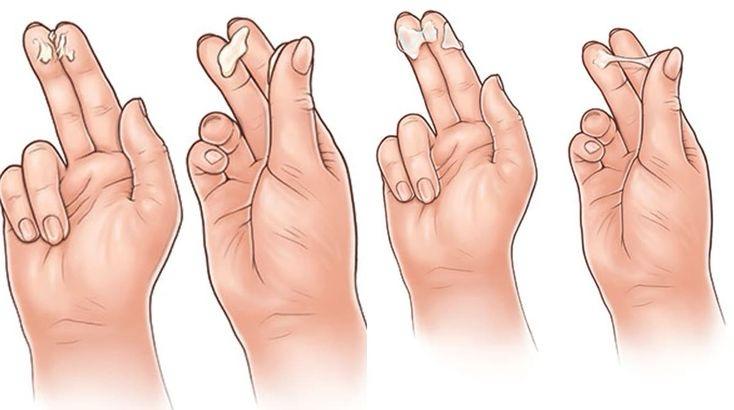
One of the strongest ovulation symptoms is egg white cervical mucus. Around ovulation, many women notice clear, stretchy, slippery discharge that resembles raw egg whites.
This mucus plays an important role in fertility because it helps sperm move easily through the reproductive tract.
Why Cervical Mucus Matters
- It signals that ovulation is approaching
- It supports sperm survival
- It reflects healthy estrogen production
- It creates a favorable environment for conception
Many women overlook this sign, but fertility specialists often consider it one of the body’s most reliable fertility indicators
Mild Ovulation Pain or Sensation
Some women experience mild discomfort during ovulation, commonly known as “mittelschmerz.” This temporary sensation may feel like light cramping, pressure, or heaviness on one side of the lower abdomen.
Ovulation pain happens when the ovary releases an egg during the fertile window.
Common Ovulation Symptoms
- Mild pelvic pain
- Light abdominal cramps
- Temporary bloating
- A feeling of heaviness in the lower abdomen
Although mild ovulation pain is usually normal, severe pain should always be discussed with a healthcare provider.

A Balanced Menstrual Flow
Your menstrual flow can also provide important clues about reproductive health. A balanced period that is neither extremely heavy nor unusually light often suggests healthy hormonal function.
Healthy Flow Characteristics
- Moderate bleeding
Minimal clotting - Predictable timing
- Manageable menstrual cramps
Sudden changes in your menstrual flow may sometimes indicate stress, hormonal changes, or underlying health conditions.
Increased Libido Around Ovulation
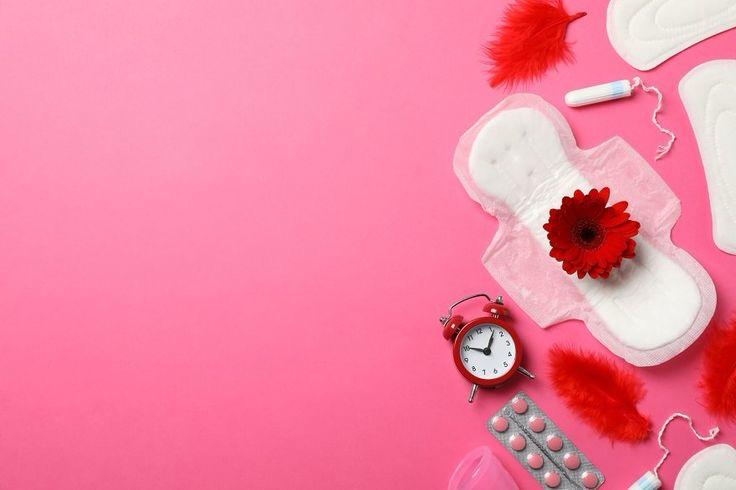
Hormonal changes during ovulation can naturally increase sexual desire. Many women notice they feel more romantic, emotionally connected, or physically attracted during their fertile window.
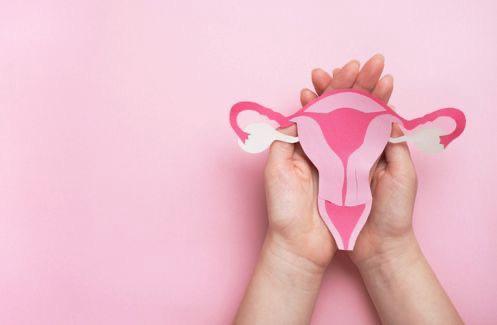
This response is linked to increased estrogen and testosterone levels, which help support reproduction.
Hormones and Fertility
Your body may naturally encourage intimacy during ovulation as part of its reproductive process. This temporary increase in libido is common and often reflects healthy hormonal activity.
Understanding Your Fertility Signs
Good fertility is not always dramatic. Sometimes your body communicates through small but consistent patterns. Learning to recognize these fertility signs can help you better understand your reproductive health and menstrual cycle.
However, these signs do not guarantee pregnancy or confirm fertility completely. Fertility depends on several factors, including age, hormone levels, overall health, and reproductive conditions.
If you experience persistent irregular periods, severe pain, or difficulty conceiving, it is important to speak with a qualified healthcare professional or fertility specialist.