
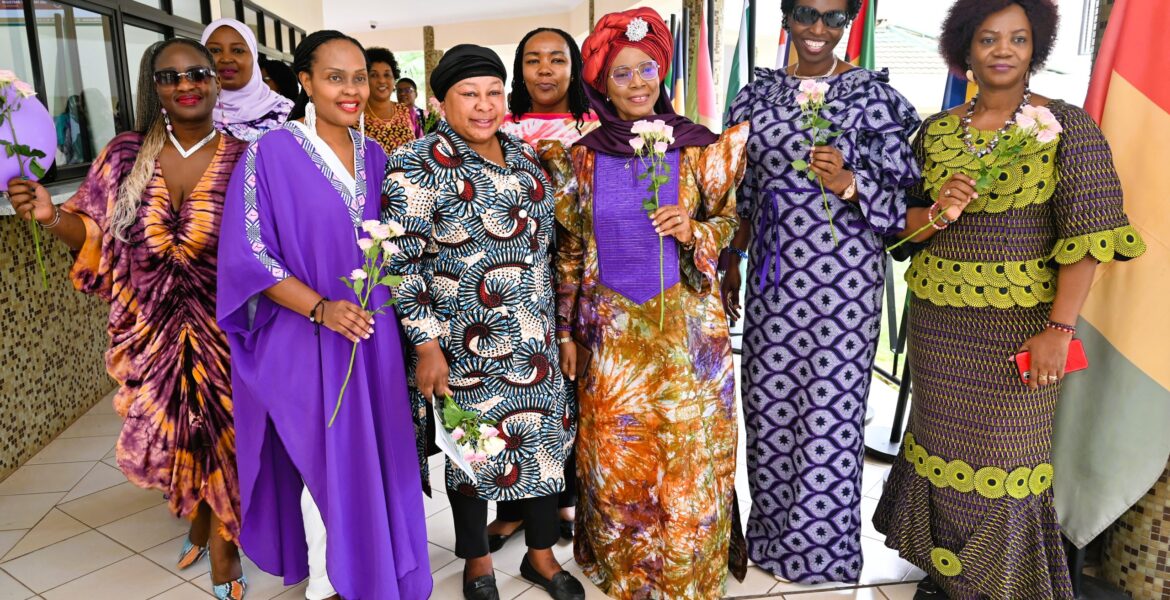
Today, modern customary law reform is quickly veering away from previous existing practices. For generations, traditional customs mostly left women with almost little or no interest in property upon the death of a spouse or parent. These reasoning are structurally linked to biases within both the patrilineal and matrilineal inheritance systems, which has historically proven to lock women out of property ownership.

Lately, recent land acts and legal codes have jointly sped up legislative progress in protecting women’s rights and interests in properties.
These progress have led to some level of economic ripple effect due to the numerous financial opportunities and line of credits, that become readily available to women with secure land tenures.

However, this success chalked is not enough to stall the entire process. The milestone can be further extended and improved when traditional authorities like chiefs and queen-mothers are seriously engaged on the subject matter and the importance of improving upon archaic property customs which prevent women from owning property.
Although enforcement gaps within rural areas have proven to be much wider than that of the urban communities, the evolving process is fast improving, making the shift more realistic than ever. Yet the ultimate shield for the protection of a woman’s wealth, autonomy and legacy heavily lies on the creation and expansion of legal literature.