
Many women are told that heavy periods are “normal” and something they must endure. From soaking through pads to planning life around your cycle, heavy menstrual bleeding is often minimized—yet it can signal a serious health concern.
If your period interferes with your daily life, energy levels, or emotional well-being, it may be time to ask: when is a heavy period more than just a flow?
What Is Considered a Heavy Period?
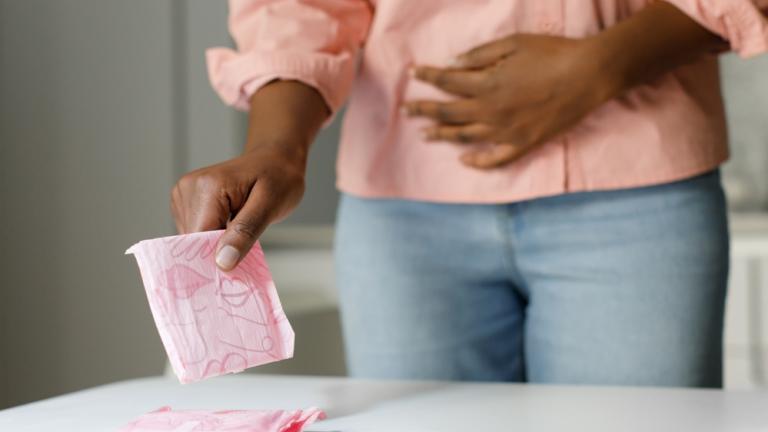
Clinically known as menorrhagia, heavy menstrual bleeding is diagnosed when one or more of the following occurs:
- Bleeding that lasts longer than 7 days
- Soaking through a pad or tampon every 1–2 hours
- Passing large blood clots
- Needing to use double protection
- Waking up at night to change pads
- Feeling fatigued, dizzy, or weak during or after your period
A period that disrupts your routine is not normal, even if it’s common.
Signs Your Heavy Period Is a Health Concern
You should take your menstrual flow seriously if you experience:
- Missed work or school due to bleeding
- Anxiety about staining clothes or bedding
- Shortness of breath or constant exhaustion
- Severe pelvic or lower back pain
- Sudden changes in your usual flow
Ignoring these signs can delay diagnosis and treatment.
Common Causes of Heavy Periods
Heavy periods often have an underlying medical cause. Some of the most common include:
- Fibroids
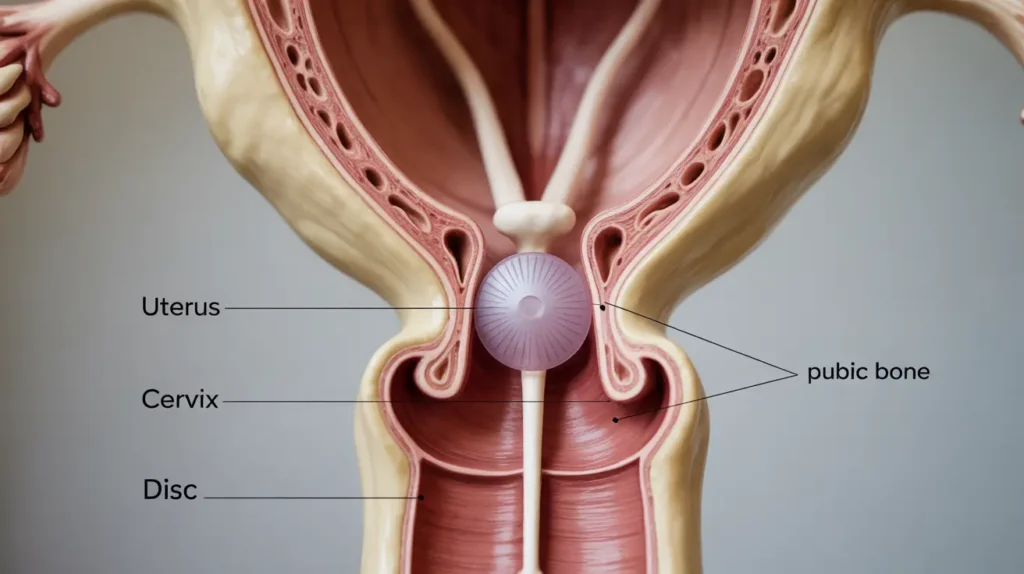
Uterine fibroids are non-cancerous growths that commonly cause heavy and prolonged periods, pelvic pain, and anemia—especially among Black women.
- Hormonal Imbalance
When estrogen outweighs progesterone, the uterine lining becomes thicker and sheds more heavily during menstruation.
- Endometriosis and Adenomyosis
These conditions involve uterine tissue growing outside or deep within the uterus, leading to painful and heavy bleeding.
- Polycystic Ovary Syndrome (PCOS)
PCOS often causes irregular periods, which can sometimes result in unusually heavy bleeding.
- Other Medical Conditions
Thyroid disorders, pelvic infections, bleeding disorders, or certain medications can also affect menstrual flow.
The Impact of Heavy Menstrual Bleeding
Heavy periods affect more than just physical health. They can lead to:
- Iron-deficiency anemia
- Chronic fatigue and weakness
- Emotional distress and embarrassment
- Reduced productivity at work or school
- Increased financial burden from menstrual products
For many women, especially young girls, this impact is often suffered in silence.
When Should You See a Doctor for Heavy Periods?
You should seek medical advice if:
- Your period lasts more than a week
- You change pads or tampons very frequently
- You feel lightheaded or constantly tired
- Your flow suddenly becomes heavier than usual
- You have a family history of fibroids or menstrual disorders
Early medical attention can prevent long-term complications.
What You Can Do If You Have Heavy Periods
- Track your cycle using a notebook or app
- Request blood tests to check iron levels
- Ask questions and advocate for yourself during appointments
- Seek a second opinion if your concerns are dismissed
Your pain and experience are valid.
Breaking the Silence Around Heavy Periods
Although heavy periods are common, they are not something women should simply endure. Open conversations about menstrual health encourage early diagnosis, better treatment, and improved quality of life.
If your period controls your life, it’s time to listen to your body.