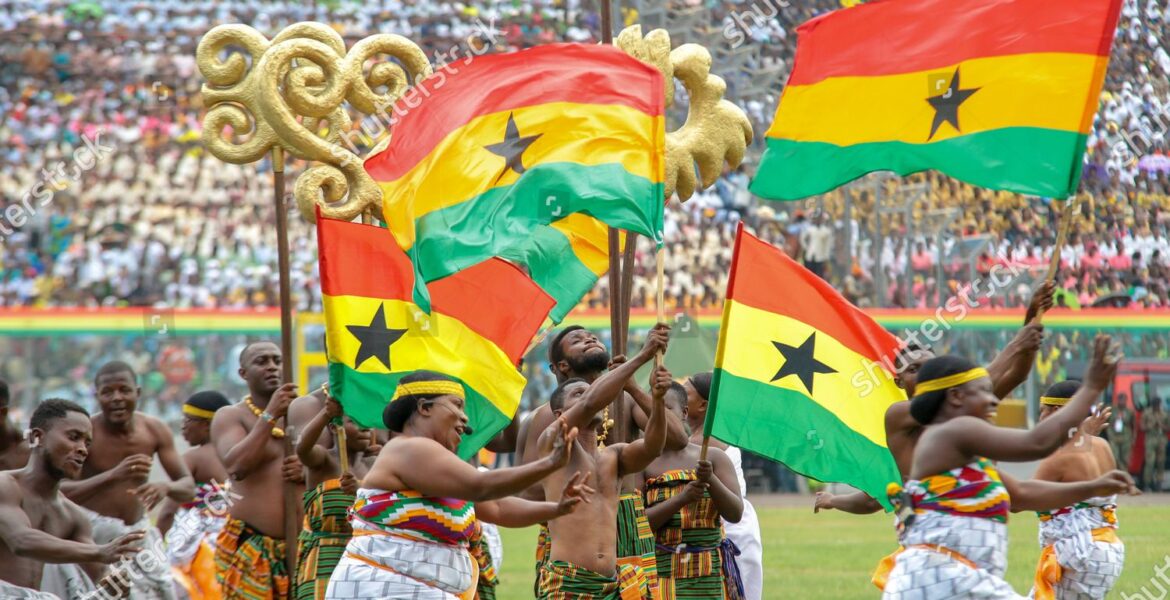
Every year on March 6, the red, gold, and green of the Ghanaian flag fills the streets as the nation celebrates another year of independence. Schoolchildren march in parades, patriotic songs echo across towns and cities, and the story of Ghana’s freedom is proudly retold.
Often, that story centers on towering nationalist figures such as Kwame Nkrumah and other political leaders who guided the country toward the historic moment of Ghanaian Independence.
But beyond the speeches and political rallies were women whose courage, organization, and quiet determination helped power the independence movement. Some mobilized communities, others shaped public opinion through journalism, while many supported the struggle from markets and homes across the country.
As Ghana marks its 69th Independence Day, their stories remind us that the journey to freedom was not only led by famous men in politics—it was also carried forward by women whose contributions helped build the foundation of the nation.
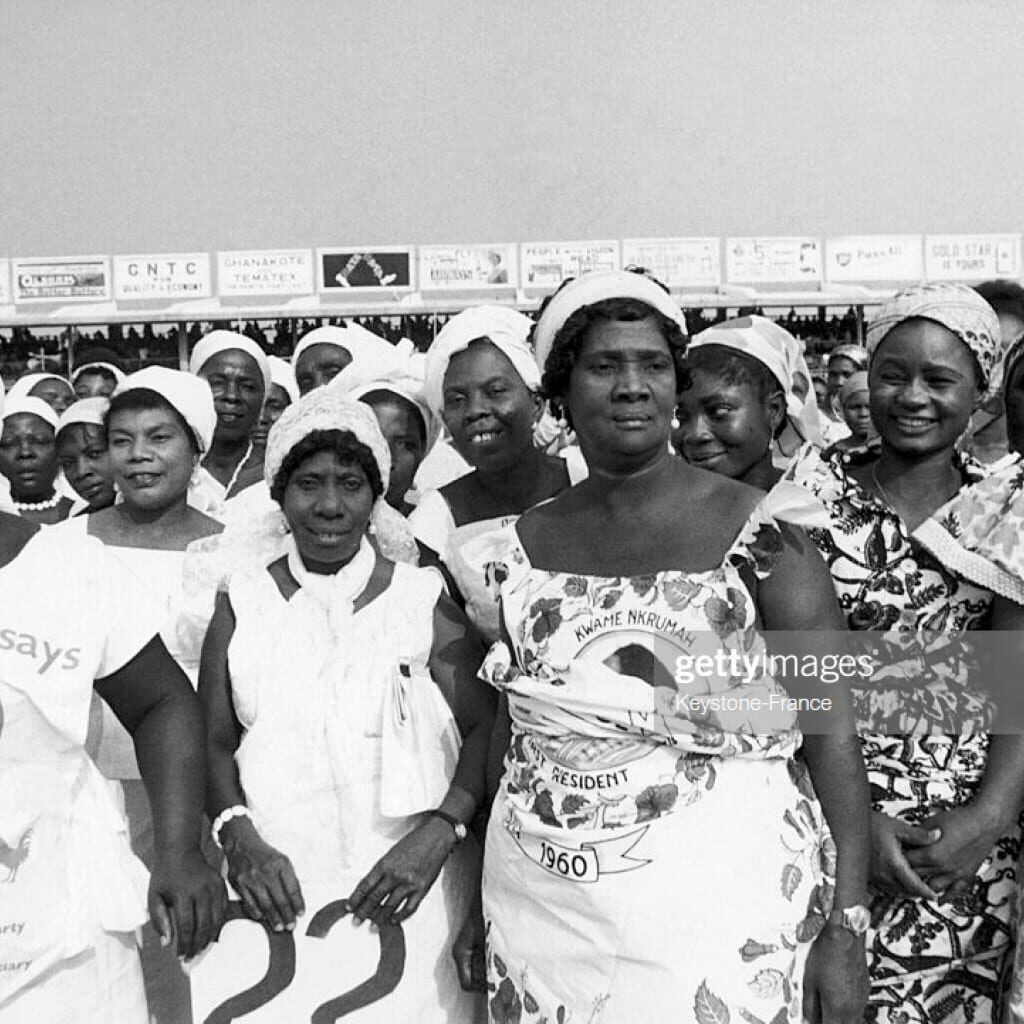
Hannah Kudjoe: Mobilizing Women Across the Country
One of the most influential women in Ghana’s independence movement was Hannah Kudjoe.
A passionate nationalist and activist, Kudjoe played a critical role in organizing women across the country during the rise of the Convention People’s Party (CPP). At a time when women were rarely involved in formal politics, she traveled from town to town mobilizing women to participate in the struggle for self-government.
She organized meetings, encouraged women to attend political rallies, and helped raise funds for nationalist campaigns. Her efforts helped expand the independence movement beyond political elites, bringing ordinary women into the national fight for freedom.
Kudjoe’s work demonstrated that the independence struggle was not confined to parliament halls or political speeches—it was also built through grassroots organizing and community engagement.
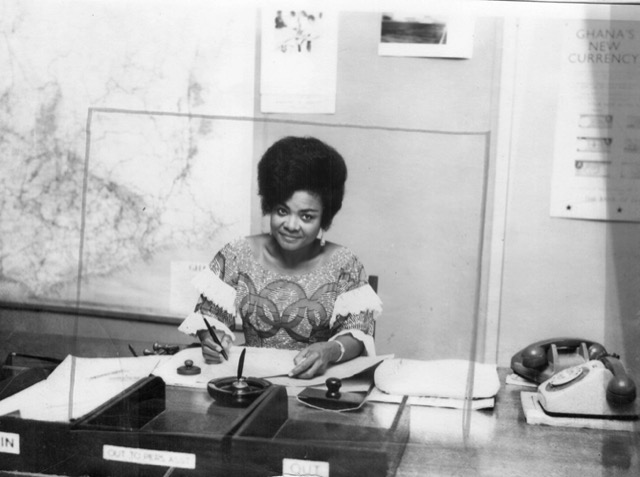
Susanna Al-Hassan: A Pioneer of Women’s Leadership
Another remarkable figure of the independence era was Susanna Al-Hassan.
A teacher and political activist, Al-Hassan became one of the early female leaders in Ghanaian politics. Following independence, she made history by becoming the country’s first female cabinet minister when she was appointed Minister for Social Welfare and Community Development.
Her leadership symbolized a new chapter for Ghanaian women in public service. At a time when political leadership was dominated by men, Al-Hassan showed that women could also shape national policy and development.
Through her work, she championed programs aimed at improving education, social welfare, and opportunities for women across the country.
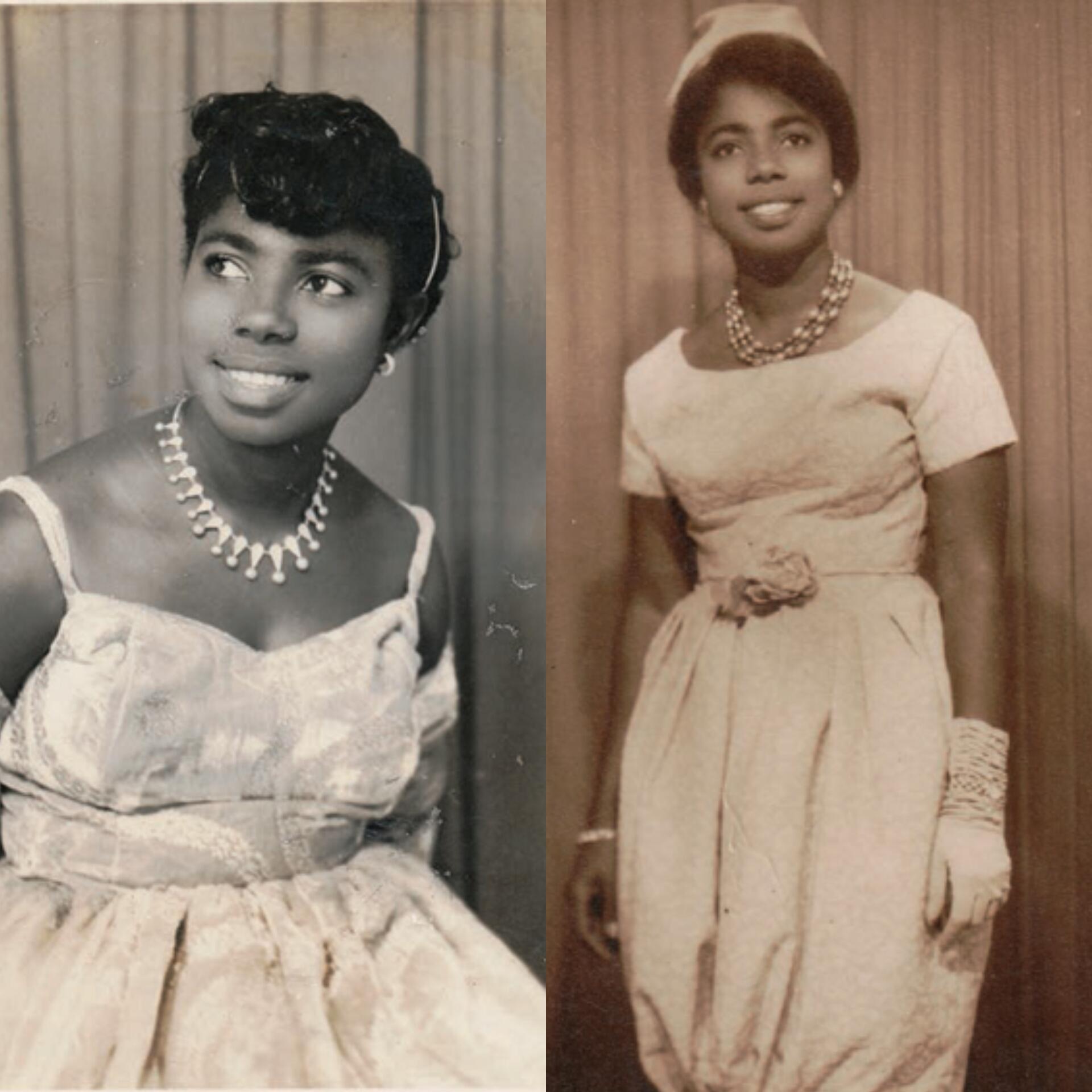
Mabel Dove Danquah: The Voice of Political Journalism
Journalism also played a powerful role in the independence struggle, and one of the most influential voices in that space was Mabel Dove Danquah.
A writer, editor, and outspoken political thinker, Dove Danquah used journalism as a tool to challenge colonial rule and advocate for African self-governance. Her articles and editorials helped shape public opinion during a crucial period in Ghana’s political history.
Her courage and intellect earned her a place in politics as well. She later became one of the first women elected to Ghana’s parliament in the early years of independence.
Dove Danquah’s legacy demonstrates that the fight for freedom was not only fought through protests and political meetings but also through ideas, writing, and public debate.
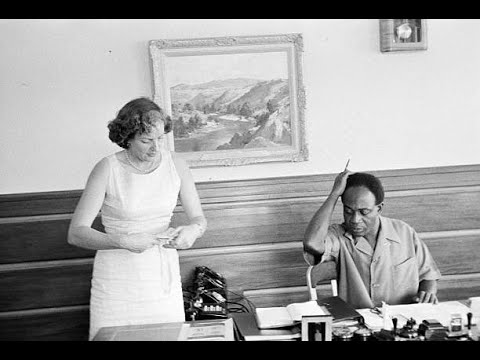
Erica Powell: The Trusted Secretary Behind the Scenes
Not all contributions to the independence struggle happened in public view. Some took place behind the scenes.
Erica Powell served as the personal secretary to Kwame Nkrumah during a critical period in Ghana’s journey to independence. Working closely with the nationalist leader, Powell managed correspondence, organized official schedules, and handled sensitive communication with political allies.
Her role required immense trust and discretion, particularly during the intense political activities that surrounded the push for independence.
Though she was not Ghanaian, Powell’s work highlights the importance of the administrative and organizational support that helped keep the independence movement functioning.
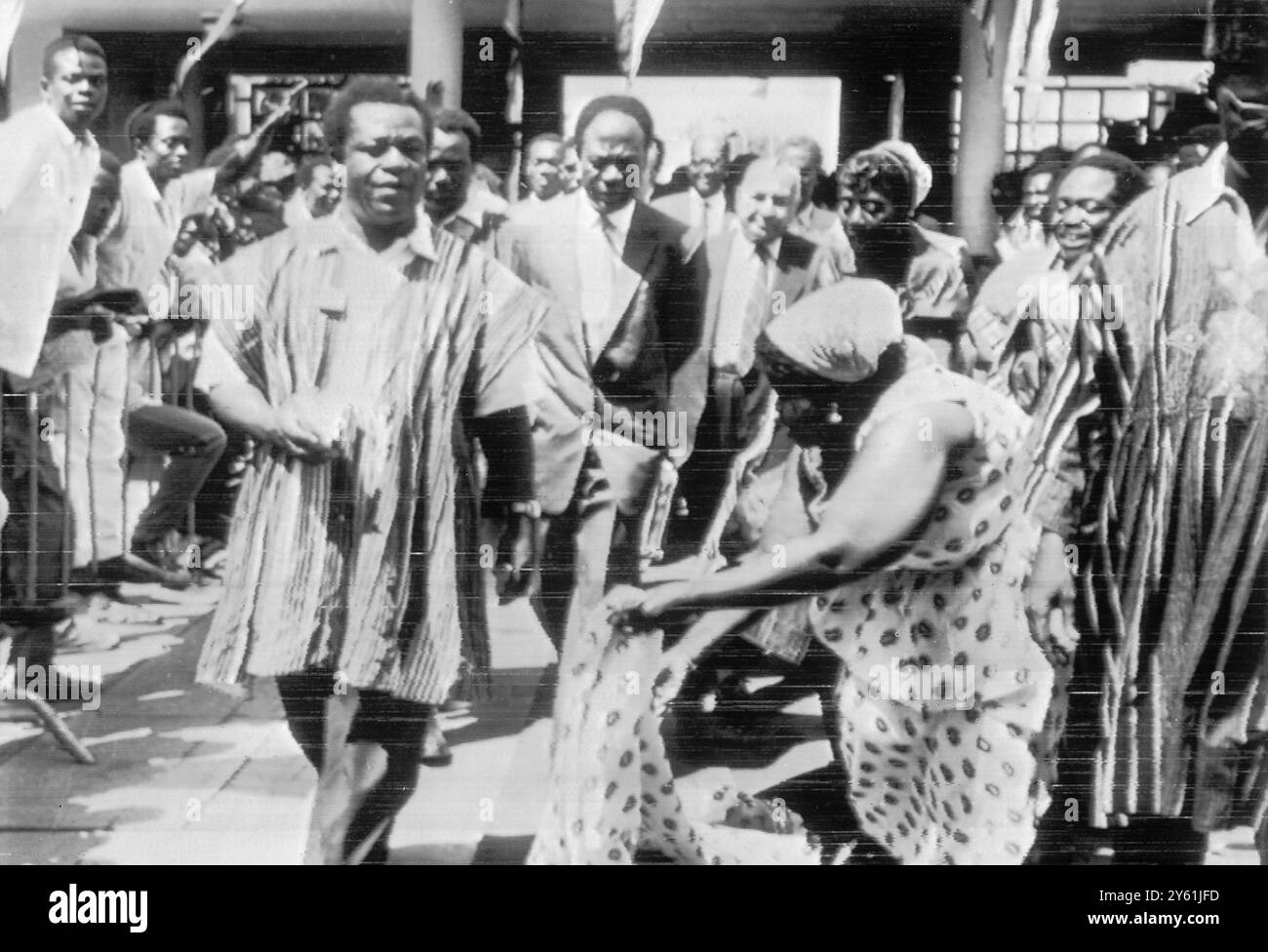
The Market Women Who Powered the Movement
While some women gained recognition for their political or intellectual contributions, thousands of others supported the independence movement in everyday ways.
Across markets in cities such as Accra and Kumasi, traders and market women became an important support base for nationalist politics.
They donated money to support political campaigns, helped spread political messages, and encouraged community members to participate in rallies and demonstrations.
In many communities, the market served as more than a place of commerce. It was also a center of political discussion where ideas about independence were shared and debated.
Historians widely acknowledge that the financial and social support of these market women played an important role in strengthening the independence movement.
Restoring Women to the Story of Independence
The story of Ghana’s independence is often told through a handful of prominent figures. But the reality is that the nation’s freedom was achieved through the collective efforts of many individuals—both men and women.
The contributions of women such as Hannah Kudjoe, Susanna Al-Hassan, Mabel Dove Danquah, and countless market traders helped sustain the momentum that eventually led to independence.
Recognizing these women is not only about correcting the historical record. It is also about acknowledging the long-standing role women have played in shaping Ghana’s political and social progress.
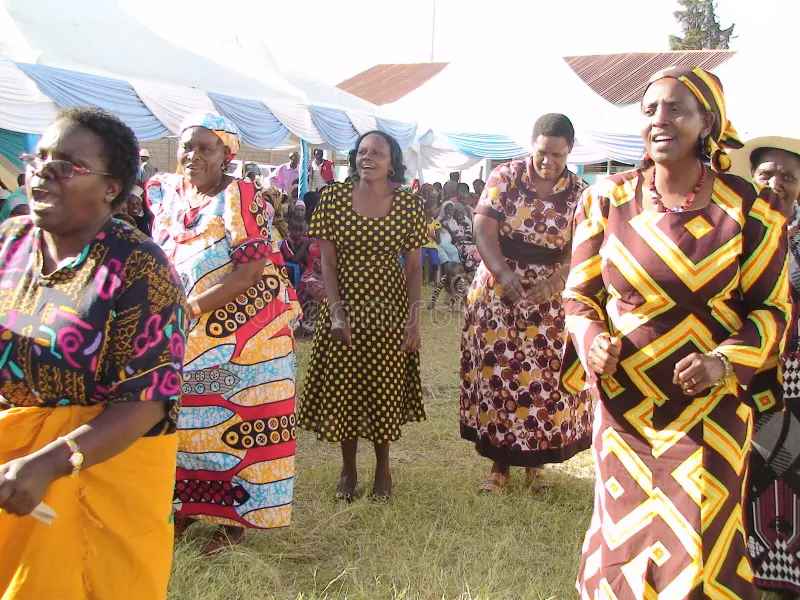
A Legacy That Continues to Inspire
As Ghana celebrates 69 years of independence, the stories of these women remain a powerful reminder of the courage, resilience, and determination that built the nation.
Their contributions continue to inspire new generations of Ghanaian women to participate in leadership, civic engagement, and national development.
Remembering these unsung heroines ensures that the history of Ghana’s independence is not only preserved—but told in its fullest and most truthful form.