
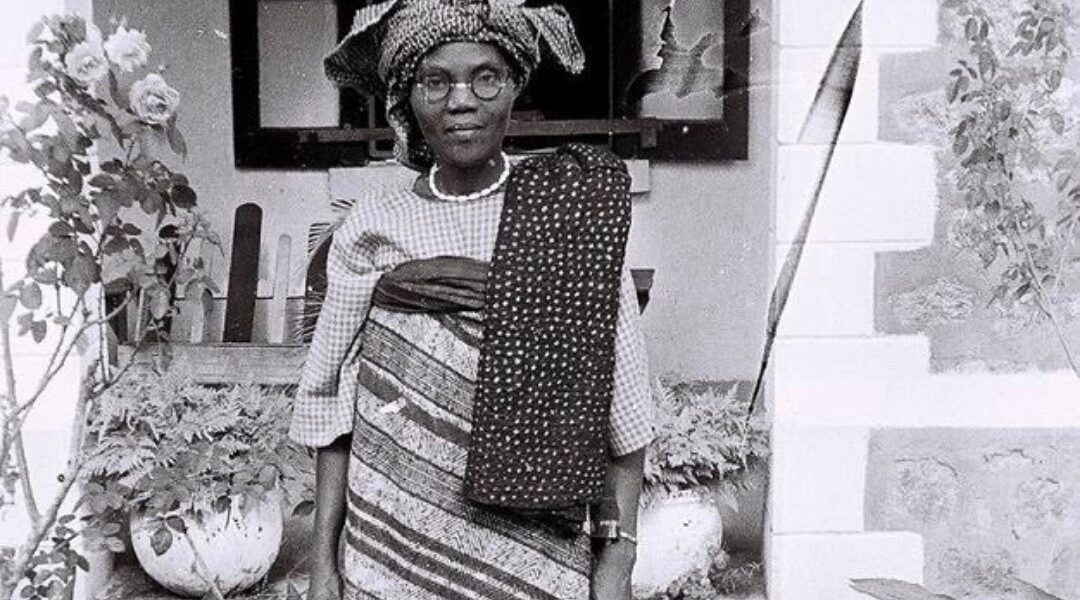
Funmilayo Ransome-Kuti remains one of the most powerful women in African history. Her fearless activism challenged colonial rule, broke cultural barriers, and transformed the status of Nigerian women. Living at a time when society expected women to stay silent, she rose boldly— disrupting systems that tried to limit the female voice.
Early Years That Shaped a Revolutionary
Funmilayo was born in Abeokuta in 1900. She grew up in a home that valued education, which helped her develop strong leadership skills early in life. She became the first female student at Abeokuta Grammar School, where she challenged norms before she even understood the full weight of what she was doing. Her education helped her see injustice clearly and it prepared her to fight it.
A Vision for Women And a Movement That Could Not Be Ignored
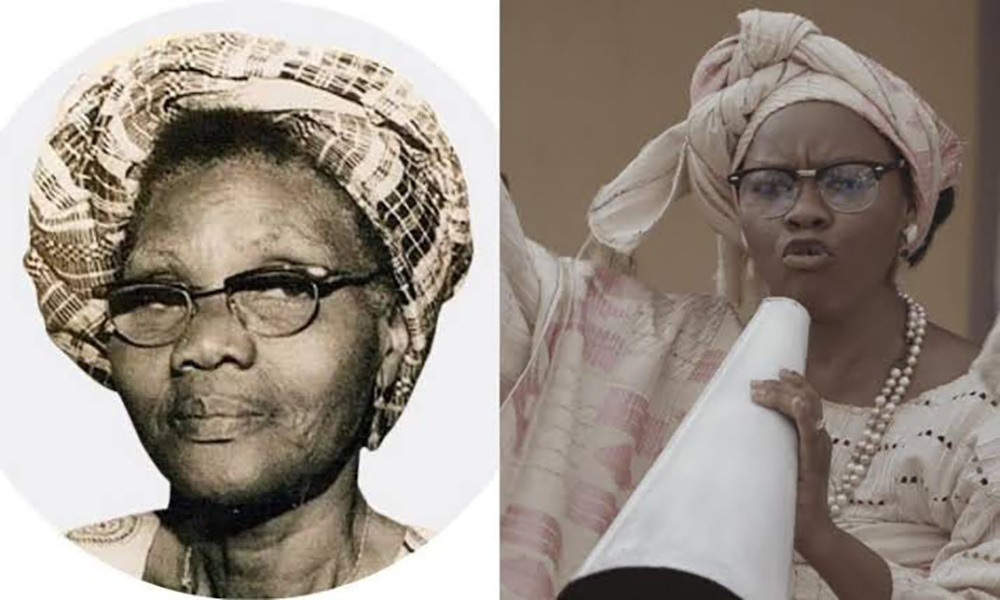
After returning from studies in England, Funmilayo became a teacher and later a community organizer. She understood how colonial policies and traditional structures affected market women as many suffered from unfair taxes and harassment.
To change this, she created the Abeokuta Women’s Union (AWU) — a movement that started small but grew into one of West Africa’s strongest women-led political forces. Under her direction, the group became highly organized, strategic, and united.
Historic Protests That Shifted Power
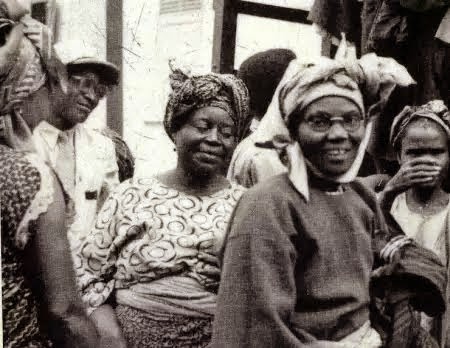
The AWU carried out peaceful protests against the excessive taxes placed on women. Funmilayo led marches, wrote petitions, and held meetings that demanded justice. These actions created national attention and forced the colonial-backed Alake of Egbaland to respond.
The pressure became so intense that the Alake stepped down from his throne. This victory showed the entire country that women had power; real political power , when they stood together.
Global Influence and Fearless Advocacy
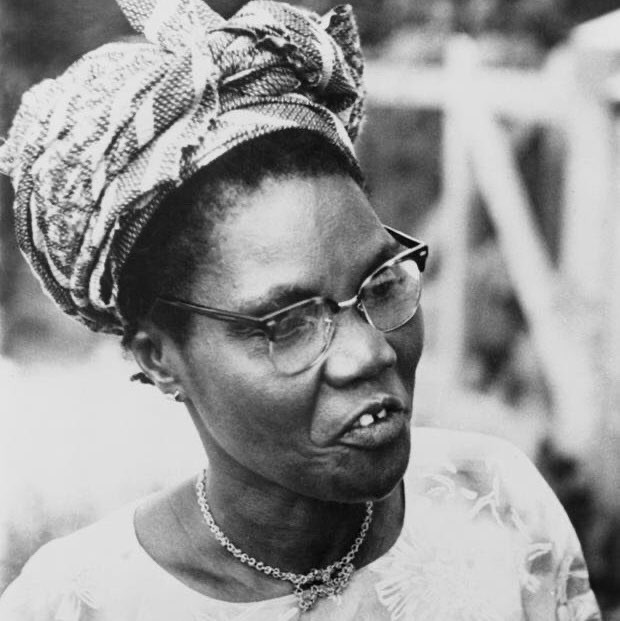
Funmilayo traveled across Africa, Europe, and Asia as a representative of Nigerian women. Her international work connected local struggles to global conversations about freedom and equality. She encouraged women to vote, run for office, and participate in national development.
She also became the first woman in Nigeria to drive a car, a symbolic act that challenged the belief that independence belonged only to men.
Legacy of a Woman Who Refused to Be Silent
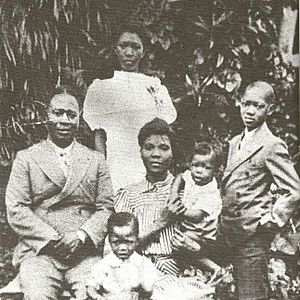
Funmilayo’s activism inspired generations. Her children, including Afrobeat legend Fela Kuti inherited her courage and her commitment to justice.
Her tragic death in 1977, following a violent military attack on Fela’s home, shocked the nation. Yet even in death, her courage fueled stronger demands for democratic rights, gender equality, and social justice in Nigeria
A Permanent Mark on Women’s Rights
Funmilayo Ransome-Kuti changed the way women saw themselves. She proved that women could speak, lead, organize, and win.
Her voice reshaped an era and her legacy continues to empower women who fight for fairness and freedom today.