
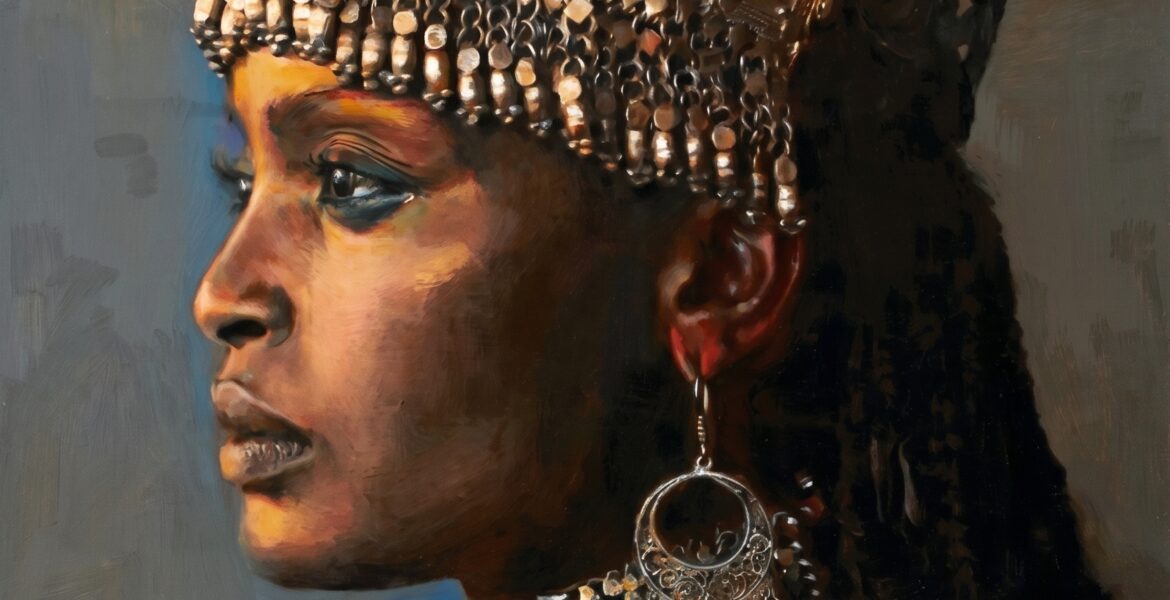
Long before colonial powers arrived in Africa, powerful queens ruled vast kingdoms, led armies into battle, shaped political systems, and defended their people against foreign invasions. While many history books focused mainly on kings and male warriors, these extraordinary African women left behind legacies that still inspire the world today.
From West Africa to the Horn of Africa, these queens proved that leadership, courage, and intelligence were never limited by gender. Their influence shaped empires, transformed societies, and strengthened African civilization for generations.
Here are 10 legendary African queens who ruled powerful kingdoms before colonialism and left remarkable legacies in African history.
Queen Amina of Zazzau (16th Century) – The Warrior Queen of Zaria
Queen Amina of Zazzau was one of the most powerful military leaders in pre-colonial West Africa. She ruled the Zazzau Kingdom, located in present-day Zaria in Nigeria, during the 16th century.
Known for her military brilliance, Queen Amina expanded her kingdom through strategic warfare and strengthened trade routes across the region. Historical accounts also credit her with building defensive fortifications called “Amina’s Walls,” which influenced later city defenses across Hausa land.
Today, she remains a lasting symbol of courage, leadership, and African military excellence.
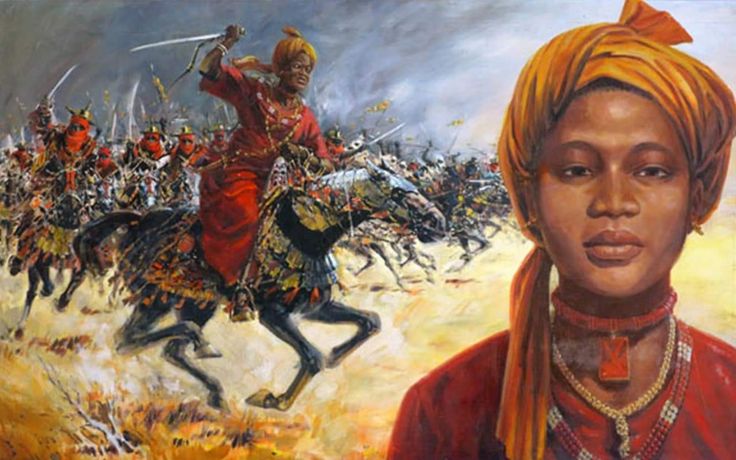
Queen Nzinga Mbande (1583–1663) – The Fearless Defender of Angola
Queen Nzinga Mbande is remembered as one of Africa’s greatest anti-colonial leaders. She ruled the kingdoms of Ndongo and Matamba in present-day Angola during the 17th century.
Nzinga became famous for resisting Portuguese colonial expansion and opposing the transatlantic slave trade. She used diplomacy, military alliances, and guerrilla warfare to defend her people for decades.
Her leadership transformed her into a lasting symbol of African resistance and independence.
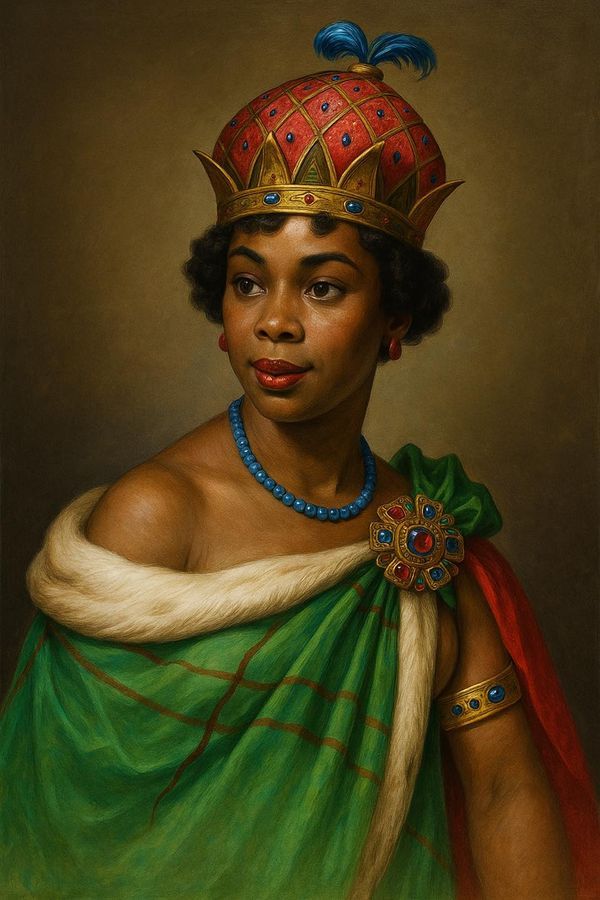
Queen Makeda (10th Century BCE) – The Legendary Queen of Sheba
Queen Makeda, often identified as the Queen of Sheba, is one of the most famous women in African and Middle Eastern history.
According to Ethiopian tradition, she ruled the ancient Kingdom of Sheba and traveled to meet King Solomon to test his wisdom. Her story appears in religious texts and oral traditions across Africa and the Middle East.
Although parts of her story remain legendary, Makeda symbolizes wisdom, diplomacy, and royal influence.
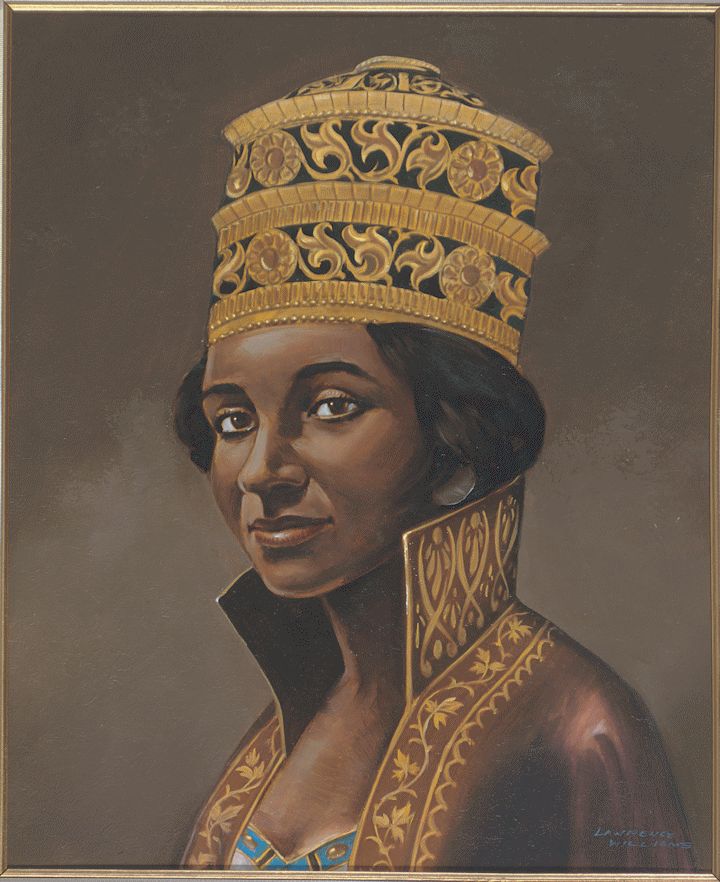
Yaa Asantewaa (1840–1921) – The Heroine of the Ashanti Empire
Yaa Asantewaa became a legendary figure after leading the War of the Golden Stool against British colonial forces in 1900.
As Queen Mother of Ejisu in the Ashanti Empire, she inspired men and women to defend the sacred Golden Stool, a symbol of Ashanti unity and authority.
Her bravery made her one of Ghana’s most celebrated historical figures and an enduring symbol of resistance against colonial rule.
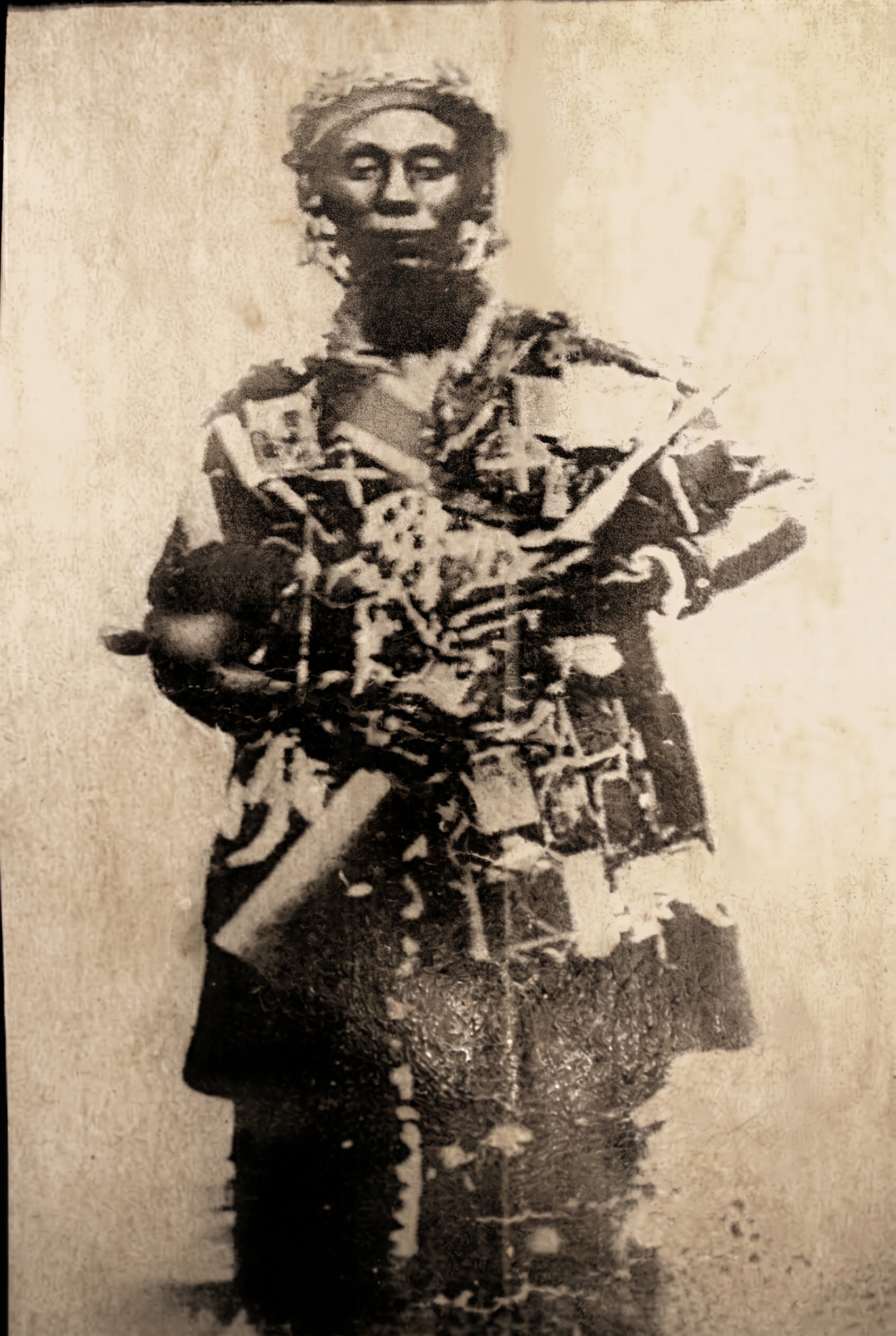
Queen Amanirenas (1st Century BCE) – The Queen Who Challenged Rome
Queen Amanirenas ruled the Kingdom of Kush in present-day Sudan during the 1st century BCE.
She is widely respected for leading military campaigns against the Roman Empire after Roman forces attempted to expand into Kushite territory. Despite the power of Rome, Amanirenas successfully defended her kingdom and negotiated favorable peace terms.
Her legacy reflects African strength, military intelligence, and determination.
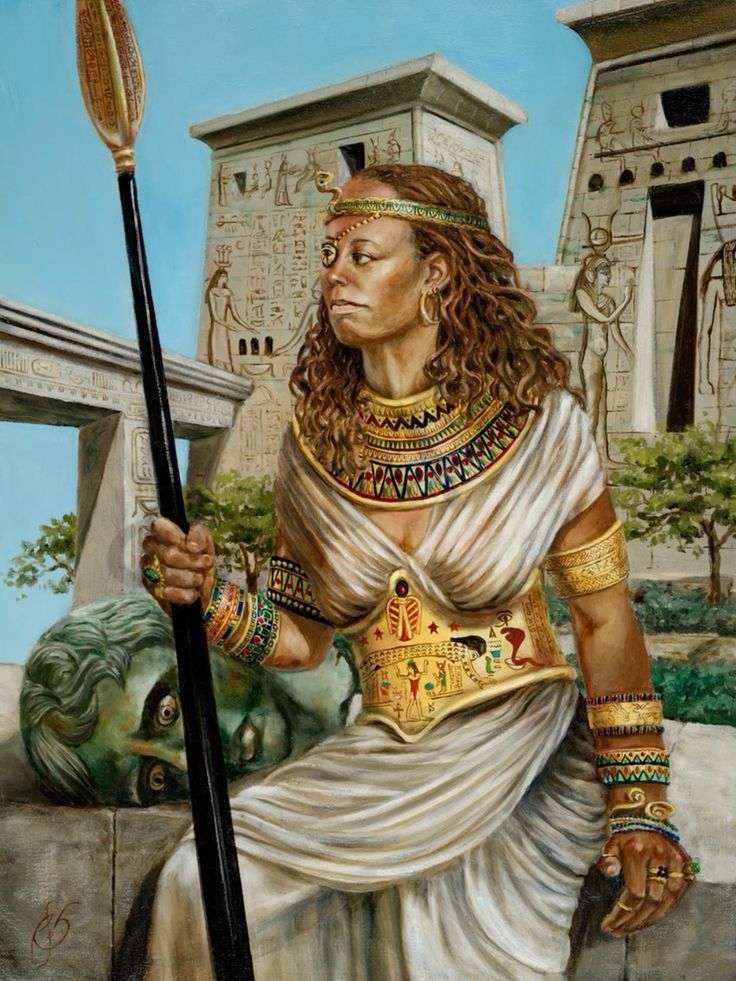
Queen Nandi (1760–1827) – The Influential Mother of Shaka Zulu
Queen Nandi played a major role in shaping the future leadership of her son, Shaka Zulu, one of Africa’s most famous kings.
Despite facing hardship and political rejection, Nandi helped build Shaka’s confidence and resilience. Her influence contributed to the rise of the Zulu Kingdom in southern Africa.
Today, she is remembered as a symbol of maternal strength and determination.
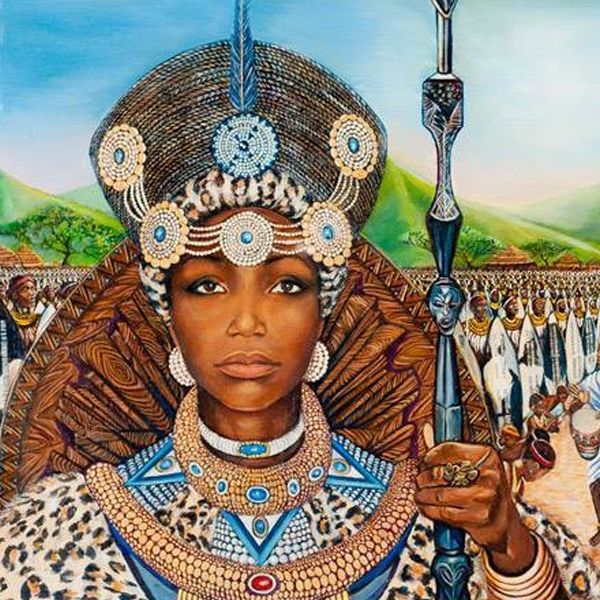
Queen Idia (15th–16th Century) – The Strategic Queen Mother of Benin
Queen Idia was a respected political adviser and military strategist in the Benin Kingdom.
As the mother of Oba Esigie, she played an important role in securing political stability and military victories for the kingdom. Her image later inspired the famous ivory mask that became a global symbol of African art and heritage.
Queen Idia remains one of the most influential royal women in Nigerian history.
Queen Ranavalona I (1778–1861) – The Protector of Malagasy Independence
Queen Ranavalona I ruled Madagascar from 1828 to 1861.
She is best known for resisting European political and cultural influence during a period of increasing foreign pressure. Ranavalona worked to preserve Malagasy traditions, sovereignty, and independence.
Although historians debate aspects of her rule, she remains an important figure in Madagascar’s national history.
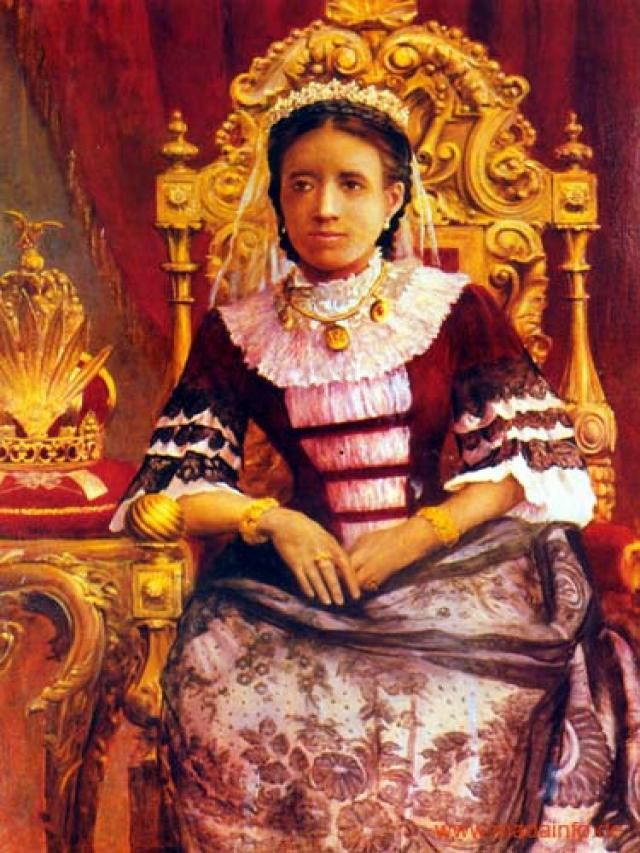
Queen Moremi Ajasoro – The Heroine of Ile-Ife
Queen Moremi Ajasoro is celebrated in Yoruba history and oral tradition for her sacrifice and bravery.
According to legend, she volunteered to uncover the secret tactics of enemy invaders terrorizing the Ile-Ife kingdom. Through courage and intelligence, she helped save her people from repeated attacks.
Her story continues to inspire themes of patriotism, sacrifice, and leadership in Yoruba culture.
Queen Kahina (7th Century CE) – The Symbol of Berber Resistance
Queen Kahina, also known as Dihya, led Berber resistance against Arab expansion in North Africa during the 7th century.
She united various tribes and fought fiercely to defend her homeland in regions that now include Algeria and Tunisia.
Over time, Queen Kahina became a powerful symbol of independence, resistance, and North African identity.