
Have you watched Uche Montana’s Monica yet? If not, here’s a spoiler alert.
Uche Montana’s Monica delivers a powerful Nollywood family drama. This Monica movie review explores the sacrifices of firstborn daughters in African homes. The film highlights financial struggles, single parenting, and strict gender roles. As a result, it reveals the emotional burden of becoming the “second parent” too early.
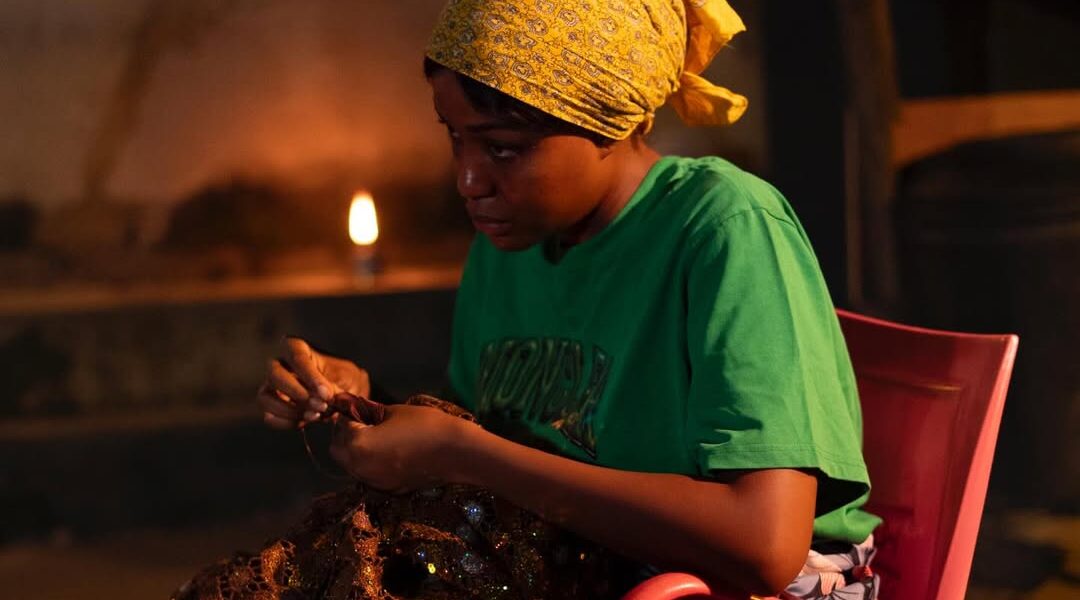
At the center of Monica is the eldest daughter. Monica carries responsibilities far beyond her age. She helps her mother trade and raises her younger siblings. As a result, her childhood shifts quickly from freedom to duty.
Instead of enjoying her youth, she steps into adulthood early. Over time, her life revolves around family needs. Meanwhile, her personal dreams slowly fade. Every decision answers one question: “What does my family need?” Consequently, she ignores a more personal question: “What do I want?”

Firstborn Daughters in African Homes: A Shared Reality
Monica’s story resonates across many African households. However, it does not reflect every home. Instead, it mirrors families facing financial hardship or instability.
In low-income homes, firstborn daughters often support the household. For example, they trade, cook, or take small jobs. Similarly, in single-parent homes, they act as co-parents. They manage siblings while supporting the home emotionally.
Moreover, traditional gender roles reinforce this pattern. Girls often handle domestic work, even with older brothers present. Because of this, Monica’s story feels both real and familiar.
Growing Up Too Fast: The Burden of Responsibility
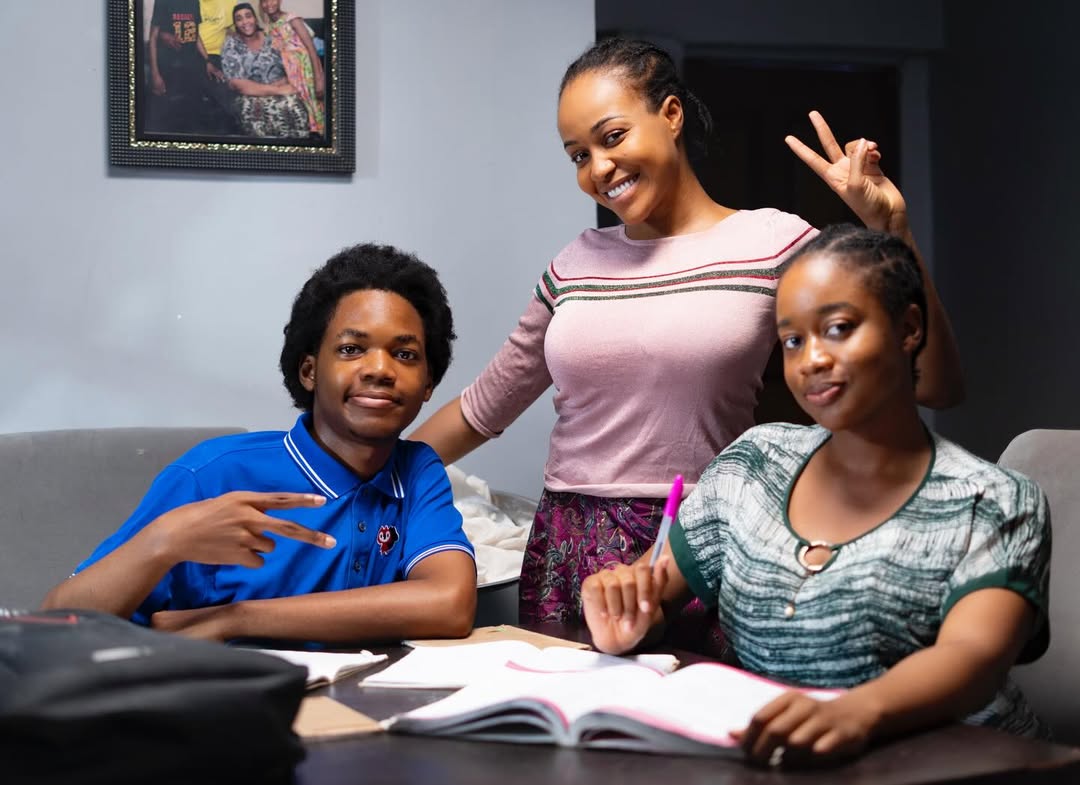
Many firstborn daughters grow up too quickly. They balance school with heavy family responsibilities. For instance, some help run businesses before and after classes.
Others take small jobs like teaching or tailoring. At the same time, they manage household chores daily. As a result, many delay education or personal ambitions.
In some cases, they sacrifice opportunities for younger siblings. Monica reflects this reality clearly. She uses her savings to support her siblings’ exams. Instead, she gives up her dream of owning a sewing machine.
These sacrifices do not reflect a lack of ambition. Rather, they show the pressure of responsibility and survival.

The Emotional Cost of Being the Strong One
The film also explores the emotional cost of sacrifice. Many firstborn daughters delay their dreams for years. Consequently, they miss opportunities for growth and independence.
They often watch younger siblings succeed. Meanwhile, they continue holding the family together. Over time, strength becomes their identity. However, that same strength limits their personal freedom.
People expect them to endure without complaint. Therefore, they suppress frustration and hide exhaustion. Although others praise their resilience, few ask how they feel.
Why Monica Is More Than a Nollywood Movie
Monica stands out as more than entertainment. Instead, it reflects real-life struggles in many African homes. The film highlights the sacrifices of firstborn daughters clearly.
Furthermore, it exposes the pressure placed on them. It also shows the emotional cost of constant responsibility. Because of this, the story feels deeply relatable.
Importantly, the film challenges family dynamics. Families should share responsibilities more fairly. They must support firstborn daughters, not depend on them entirely.
Every daughter deserves the chance to pursue her dreams. Although sacrifice matters, it should not destroy identity or limit the future.
Final Thoughts on Monica Movie Review
This Monica movie review shows that the film is more than a story. It reflects the lived experiences of many firstborn daughters in African homes.
Behind every “strong” daughter is someone carrying a heavy burden. Often, she carries it silently. Therefore, the message remains clear: strength should not lead to neglect.