
HIV in Ghana: The Numbers Tell a Warning Story
Ghana marked World AIDS Day with renewed calls for action. The country currently records more than 334,700 people living with HIV. In 2024, national figures showed 15,200 new HIV infections and 12,600 AIDS-related deaths.
These numbers reveal a clear trend. Ghana is struggling to reduce new HIV infections. Public discussion has grown quiet even though the crisis continues to affect thousands of women and girls.
Women, especially those aged 15 to 24, face the highest risk of HIV infection. Cultural expectations, gender-based violence, and unequal power in relationships reduce their ability to negotiate safer sex. Many women avoid testing because they fear judgment or gossip.
Young girls often rely on social media for information instead of trained health workers. As a result, myths spread quickly and many women do not receive accurate guidance about HIV prevention.
A Silent Crisis in HIV Awareness
Ghana once promoted bold HIV campaigns through radio, posters, and community education. These activities have reduced over time. Limited campaigns, increased misinformation online, and low community engagement have weakened public awareness.
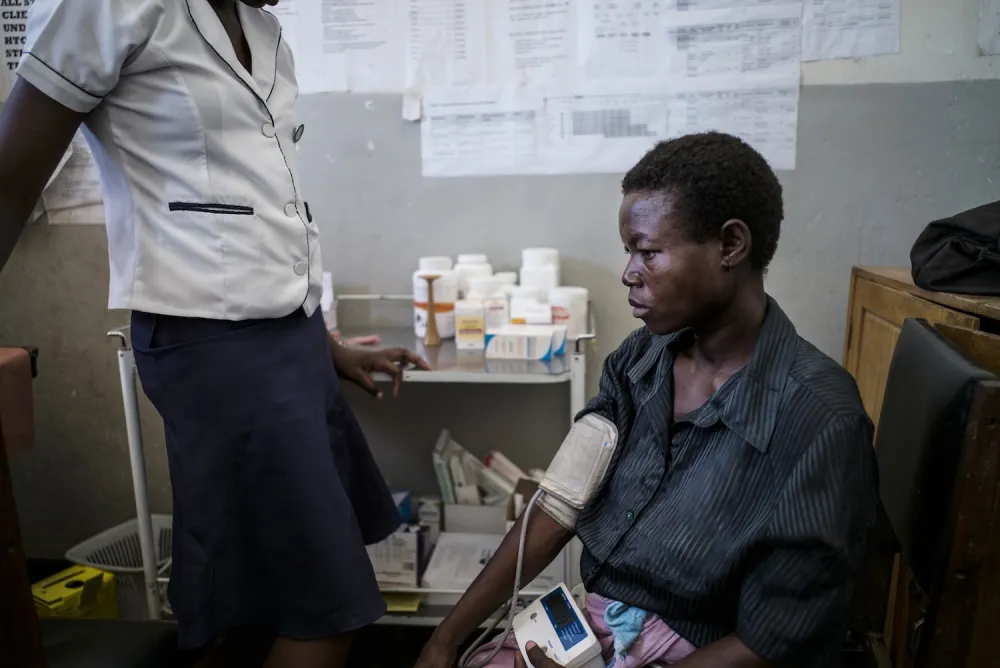
Stigma remains strong. Many women hesitate to visit clinics for sexual health services because they fear being labeled or misunderstood. This silence allows infections to rise.
Why Ghana Must Integrate HIV Care Into Primary Health Care
According to a 2025 WHO policy brief, many low and middle-income countries have improved their HIV response by linking HIV, viral hepatitis, and STI services to primary health care. Nations such as Rwanda, Kenya, Botswana, Ethiopia, and Zambia report better outcomes when HIV care becomes part of routine health services.
This approach increases access, strengthens community engagement, and reduces stigma because patients receive HIV services alongside general health care.
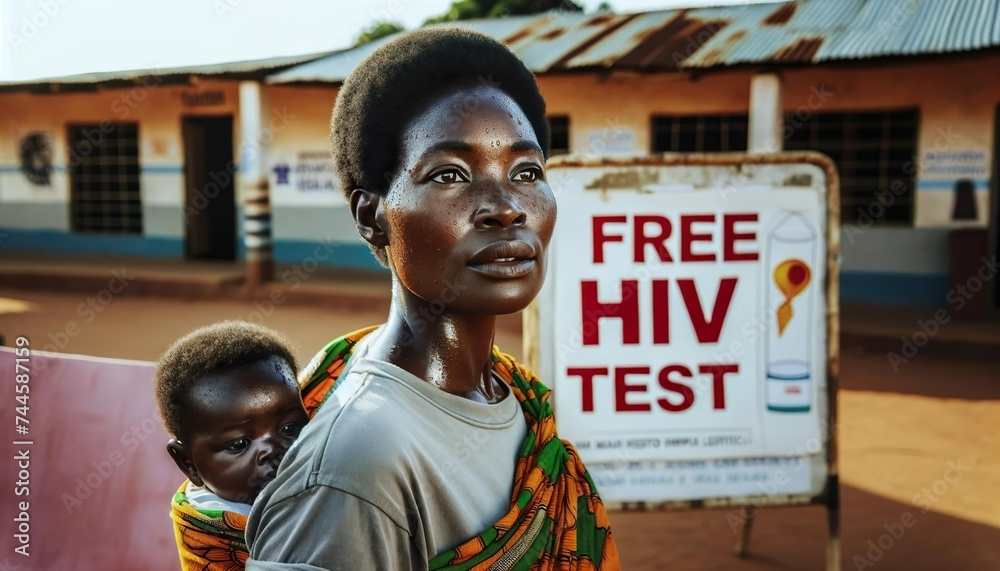
Ghana can benefit from the same strategy. Women visit primary health clinics more often for child welfare, antenatal care, and family planning. If HIV education and testing become part of these services, more women will receive timely support.
How Integration Can Strengthen Ghana’s HIV Response
1. Improve Leadership and Coordination
Ghana needs clear national direction, consistent funding, and stronger communication efforts that highlight the importance of HIV awareness all year round.
2. Expand Domestic Funding
With donor support declining, the country must invest more local resources into HIV, STI, and hepatitis programs to protect long-term progress.
3. Allow Task Sharing in Clinics
Community health nurses, midwives, and trained volunteers can provide testing and counseling. This will increase access in both rural and urban areas.
4. Use Digital Health Tools
SMS reminders, mobile apps, and short videos can help young people access accurate HIV information. Digital tools also support follow-up care.
5.Engage Communities and Local Leaders
Queen mothers, religious leaders, market queens, and youth influencers can help reduce stigma and encourage regular testing among women.
6. Reduce Stigma by Merging Services
Offering HIV testing and care inside primary care units removes the pressure and fear associated with visiting a separate HIV clinic.
Ghana’s HIV statistics reflect real people, and women remain the most vulnerable. The country needs stronger public education, community involvement, and sustained health-system reforms.
Integrating HIV care into primary health care offers a practical and sustainable way to protect women, reduce infections, and restore national momentum.
If Ghana does not increase public awareness and strengthen its health system, silence will continue to put more women at risk.