
Post-Birth Control Syndrome: What Women Should Know About Recovery
For many women, coming off birth control feels like freedom. However, what most people don’t talk about is what happens next.
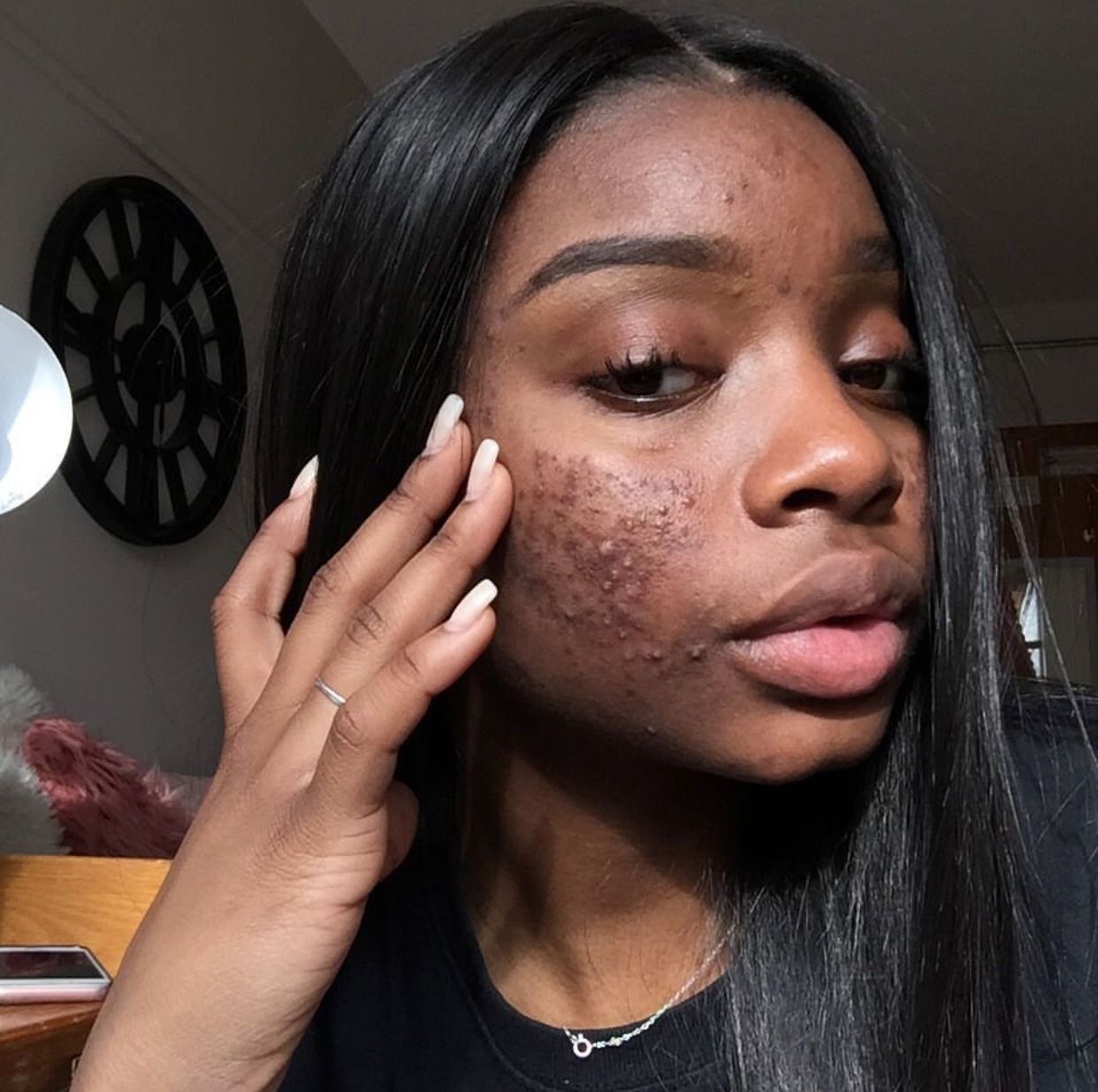
Some women begin to notice changes. Irregular periods, acne, mood swings, or fatigue. This experience is often referred to as post-birth control syndrome (PBCS).
While it’s not officially classified as a medical condition, the symptoms are very real and understanding them can help you navigate your post-birth control recovery with more confidence.
What Is Post-Birth Control Syndrome?
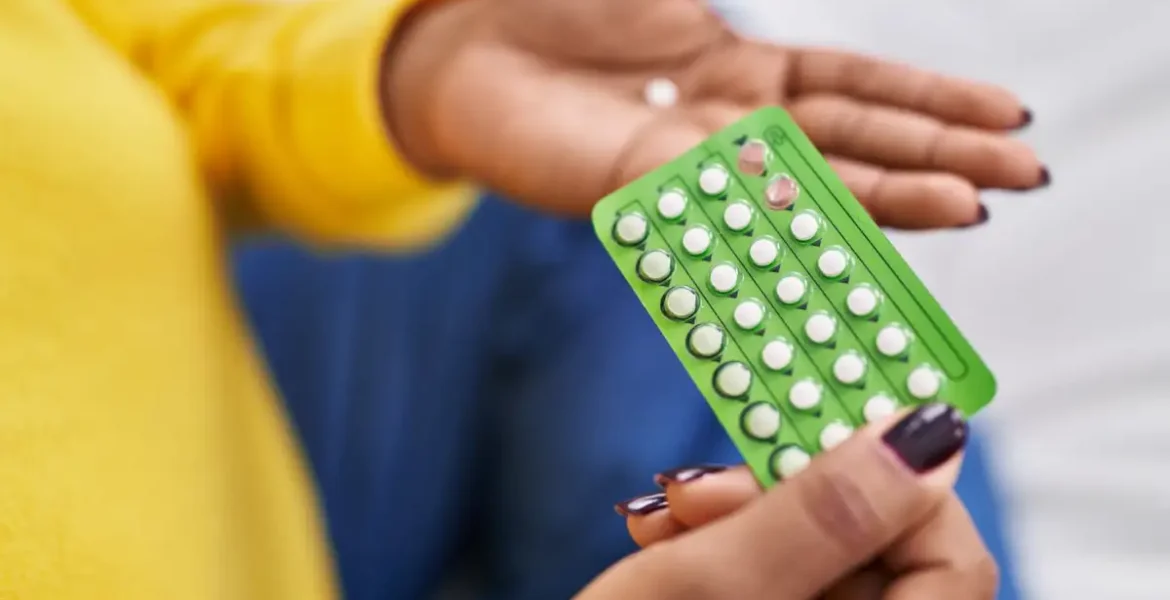
Post-birth control syndrome refers to a group of symptoms that may occur after stopping hormonal contraceptives.
These can include:
- Irregular or missing periods
- Acne or skin breakouts
- Mood swings or anxiety
- Low energy or fatigue
- Digestive issues
In some cases, underlying conditions like polycystic ovary syndrome may become noticeable after stopping birth control.

Why Does It Happen?
Hormonal contraceptives work by regulating or suppressing your natural hormones.
So when you stop taking them, your body has to adjust and begin producing hormones on its own again.
As a result, there may be a temporary imbalance, which can affect your cycle, skin, and mood.
How Long Does Recovery Take?
Every woman’s body is different.
For some, things return to normal within a few weeks. For others, it may take several months for hormones to stabilize.
However, supporting your body during this phase can make a big difference.
How to Support Your Post-Birth Control Recovery
The good news is that there are natural ways to support your body during this transition.
Focus on a Nutrient-Rich Diet
What you eat plays a major role in hormone balance.
Include:
- Leafy greens
- Healthy fats (avocado, nuts)
- Whole grains
- Iron-rich foods to prevent anemia
These nutrients help your body restore balance more effectively.

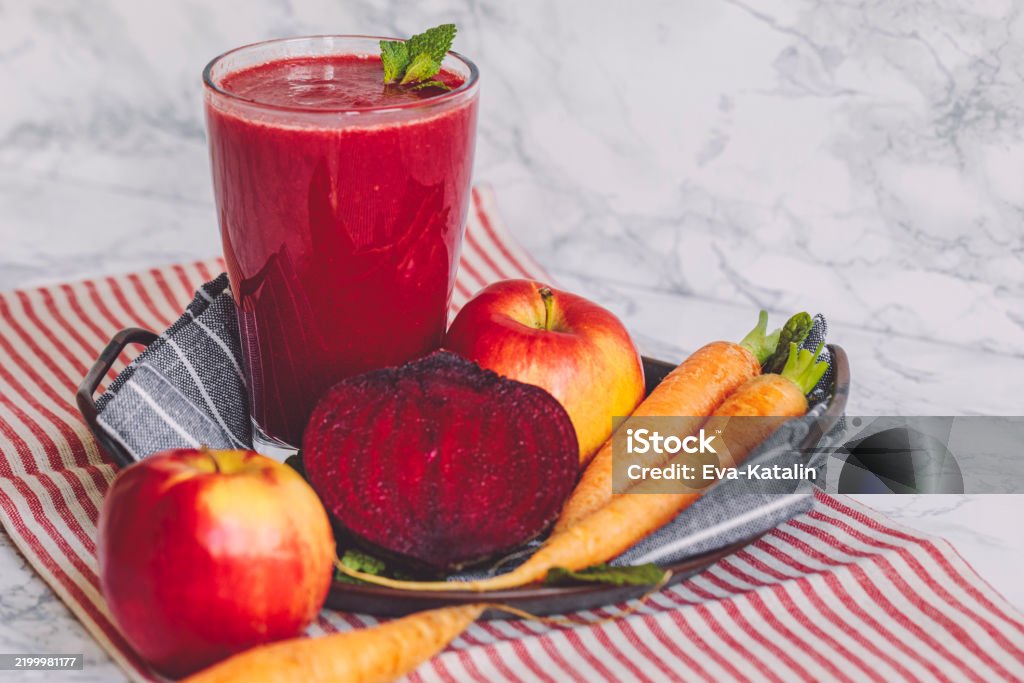
Support Your Liver Function
Your liver helps process and regulate hormones.
Foods like:
- Beetroot
- Carrots
- Garlic
can support liver health and improve hormone regulation.
Manage Stress Levels
Stress can worsen hormonal imbalance.
Simple habits like:
- Getting enough sleep
- Light exercise
- Taking breaks
can help your body recover faster.
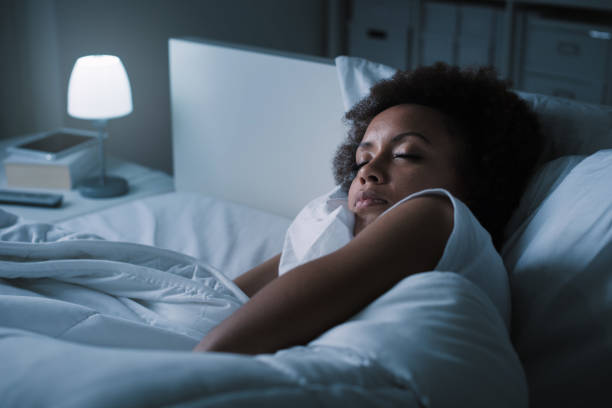
Be Patient With Your Cycle
It’s normal for your period to take time to regulate.
However, if irregularities persist for several months, it may be helpful to speak with a healthcare professional.
Be Patient With Your Cycle
It’s normal for your period to take time to regulate.
However, if irregularities persist for several months, it may be helpful to speak with a healthcare professional.

Stay Hydrated and Active
Drinking enough water and staying active supports overall body function, including hormone regulation.
Even simple daily walks can make a difference.
When Should You Be Concerned?
While some symptoms are normal, you should seek medical advice if you experience:
- No period for several months
- Severe acne or hair loss
- Intense mood changes
These could indicate underlying conditions that need attention.
Your body is adjusting, not failing.
Understanding post-birth control syndrome helps you approach your post-birth control recovery with patience and the right support.
With time, proper nutrition, and healthy habits, your body can find its balance again.