
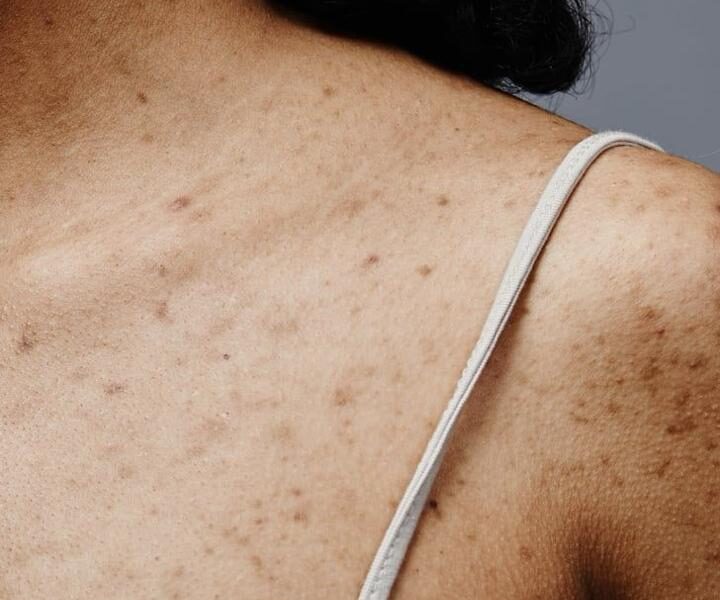
Acne is often treated as a facial problem, but for many people, the real struggle goes far beyond the face. Breakouts on the back, chest, and shoulders—commonly known as body acne—are more common than most people realize, yet they are rarely talked about.
For some, it starts as a few stubborn spots. For others, it becomes a persistent skin concern that affects confidence and comfort, especially in warm weather or social settings. Despite how widespread it is, body acne is still misunderstood and often overlooked.
Understanding what causes it and more importantly, how to manage it can make a significant difference.
What Is Body Acne?
Body acne, also known as trunk acne, is a skin condition that affects areas beyond the face, particularly the back, chest, and shoulders. While acne is one of the most common dermatological conditions worldwide, body acne tends to receive far less attention.
However, studies show that nearly half of individuals with facial acne also experience breakouts on the body. It affects both teenagers and adults and appears slightly more frequently in men than in women. In addition, a family history of acne may increase the likelihood of developing it.
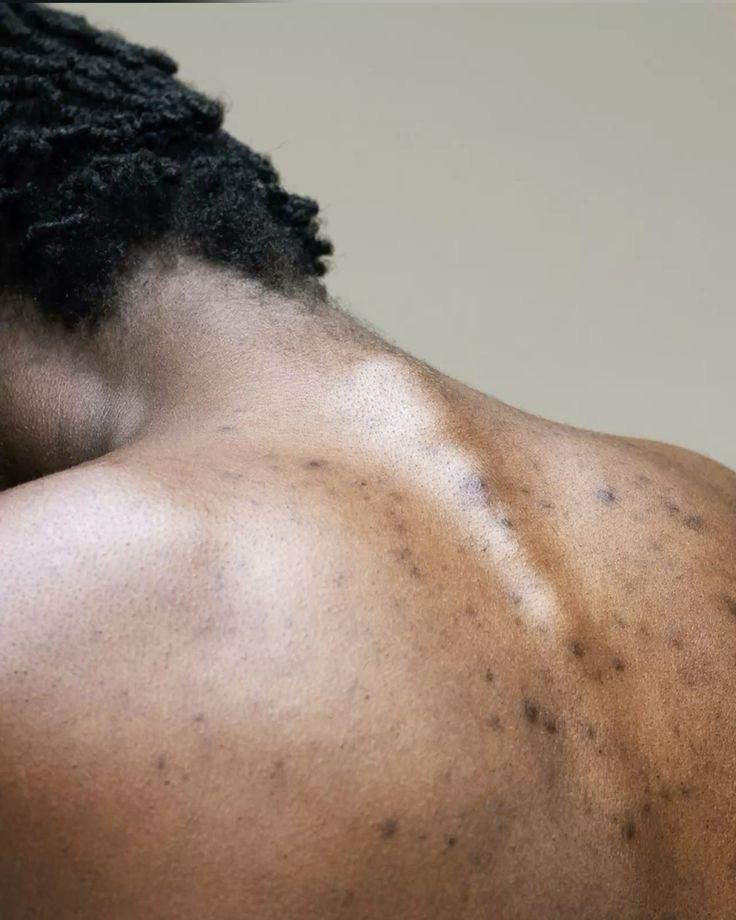
Despite its prevalence, body acne should not be ignored. In many cases, it can lead to scarring, especially when not treated early.
Why Body Acne Is Often Harder to Treat
Managing body acne comes with unique challenges. Unlike the face, the skin on the body covers a much larger surface area, making treatment more time-consuming and sometimes less consistent. In addition, areas like the back are difficult to reach, which can delay proper care.
Furthermore, the skin on the body is thicker and more prone to friction from clothing, sweat, and daily activities. As a result, irritation can occur more easily, and the risk of developing thick, raised scars is higher.
Another important factor is that body acne has not been studied as extensively as facial acne. Because of this, awareness and proper management become even more essential.
What Causes Body Acne?
Body acne develops in much the same way as facial acne, although certain factors make it more complex. It often begins when pores become blocked due to a buildup of dead skin cells, preventing oil from flowing freely. This creates an environment where bacteria can thrive, leading to inflammation.
Hormones also play a significant role. During puberty, for example, increased androgen levels stimulate oil production and contribute to clogged pores. In addition, hormonal conditions such as polycystic ovary syndrome can trigger or worsen acne on the body.
The skin’s natural bacteria, or microbiome, further influence acne development. Interestingly, the bacterial composition of the body differs from that of the face. When this balance is disrupted, certain bacteria associated with inflammation can become more dominant.
External factors can also aggravate the condition. Tight clothing, excessive sweating, and repeated friction from bags or sportswear can irritate the skin and worsen breakouts. At the same time, genetic factors may determine how severe acne becomes and whether it leads to scarring.
Common Symptoms of Body Acne
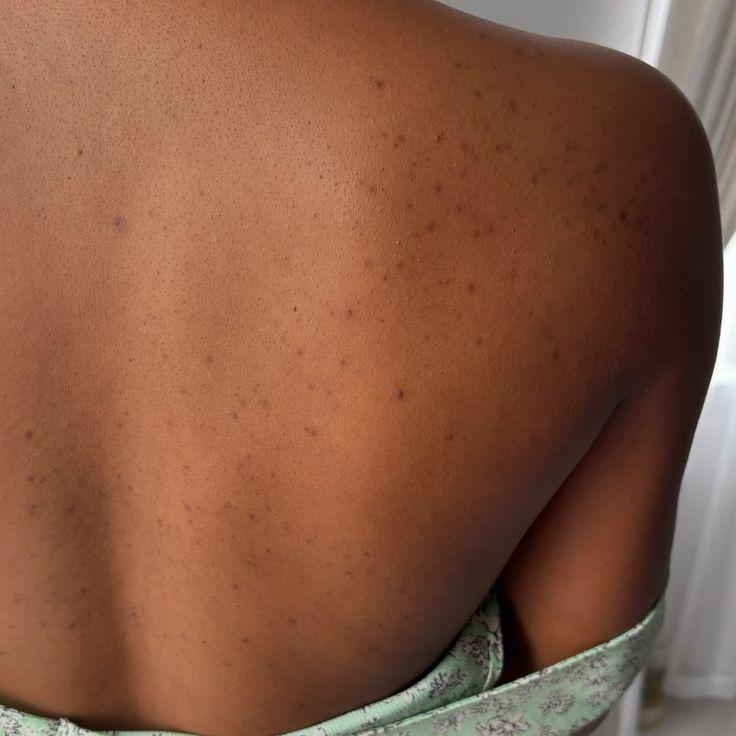
Body acne can present in different forms, ranging from mild to severe. It may begin with small clogged pores and gradually develop into inflamed lesions such as papules, pustules, or deeper nodules.
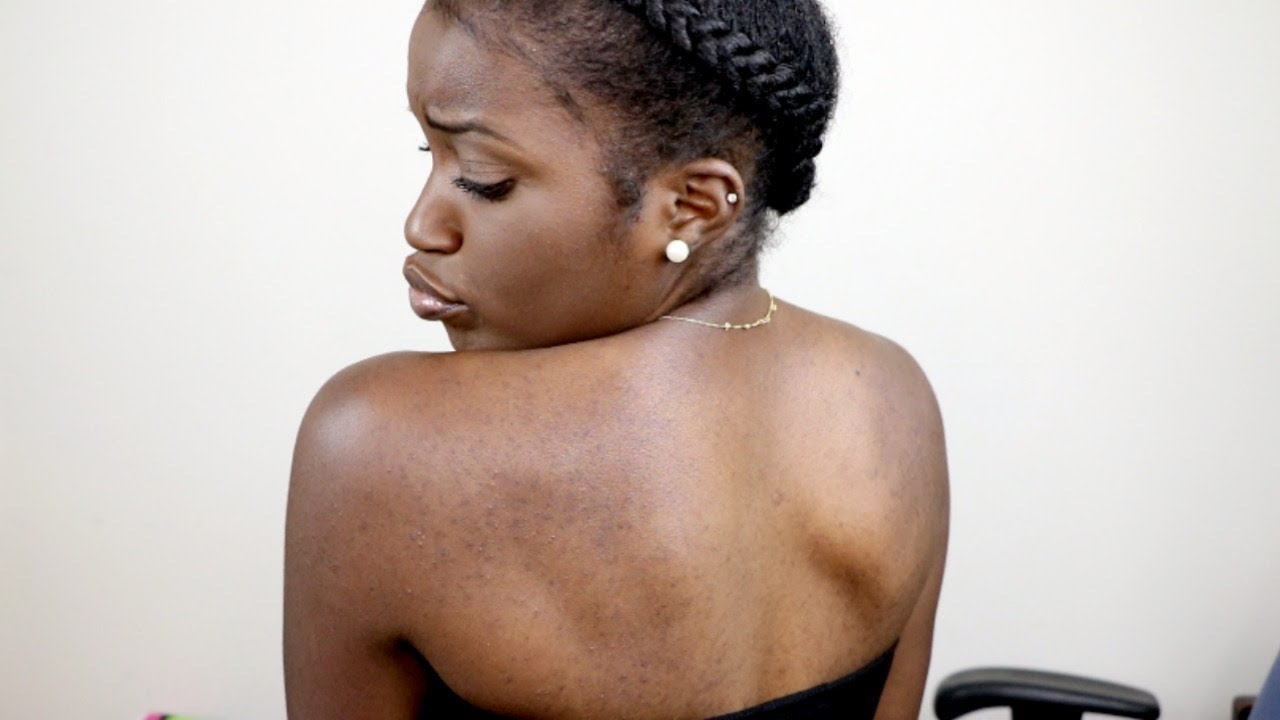
These breakouts are most commonly found along the midline of the body, particularly on the upper back, chest, and shoulders. However, the exact pattern can vary. In men, acne tends to appear more on the back and chest, while in women it may also affect the neck area.
In more severe cases, deeper and more painful lesions can develop. These may include cysts or nodules that extend beneath the surface of the skin. Without proper treatment, such forms of acne often lead to permanent scarring.
Effective Body Acne Treatment Options
Treating body acne requires consistency and, in some cases, medical guidance. Although the general principles are similar to facial acne treatment, certain adjustments are necessary.
Topical treatments are usually the first step. Ingredients such as benzoyl peroxide and retinoids help reduce inflammation, unclog pores, and prevent new breakouts from forming. Because body acne affects larger areas, these treatments are often applied in gel or lotion form for easier coverage. Even after improvement is visible, continuing treatment is important to prevent recurrence.
For more persistent or severe cases, oral medications may be recommended. Antibiotics such as doxycycline can help reduce inflammation and bacterial growth when used for a limited period. However, in cases where acne is severe or resistant to treatment, isotretinoin may be prescribed. While highly effective, it requires close medical supervision due to potential side effects.
In some women, hormonal treatments may also be beneficial, particularly when acne is linked to hormonal imbalance. These options are usually considered after consultation with a healthcare professional.
How to Prevent Body Acne
Preventing body acne involves adopting simple but consistent habits. While no method guarantees complete prevention, certain lifestyle adjustments can significantly reduce breakouts.
Maintaining proper hygiene is essential, especially after sweating. Showering shortly after exercise helps remove excess oil, bacteria, and impurities that can clog pores. In addition, wearing loose, breathable clothing can reduce friction and prevent moisture from being trapped against the skin.
Using gentle, non-comedogenic skincare products is equally important. Harsh scrubs and aggressive cleansing methods should be avoided, as they can irritate the skin and worsen inflammation rather than improve it.
Sun protection also plays a role. Although sun exposure may seem to temporarily improve acne, it often leads to worsening symptoms later and can cause dark spots. Choosing oil-free sunscreen helps protect the skin without clogging pores.
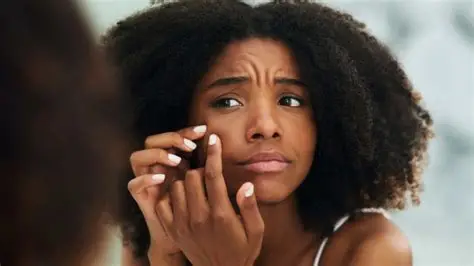
Finally, avoiding the temptation to pick or squeeze acne lesions is crucial. Doing so increases inflammation, spreads bacteria, and raises the risk of permanent scarring. Managing stress, avoiding smoking, and maintaining a balanced diet may also support overall skin health over time.
Body acne is a common yet often overlooked condition that can affect both physical appearance and self-confidence. While it may be more challenging to treat than facial acne, it is manageable with the right approach.
With consistent care, appropriate treatment, and healthy lifestyle choices, it is possible to reduce breakouts and improve skin health. Most importantly, taking action early can help prevent long-term scarring and lead to better outcomes.