
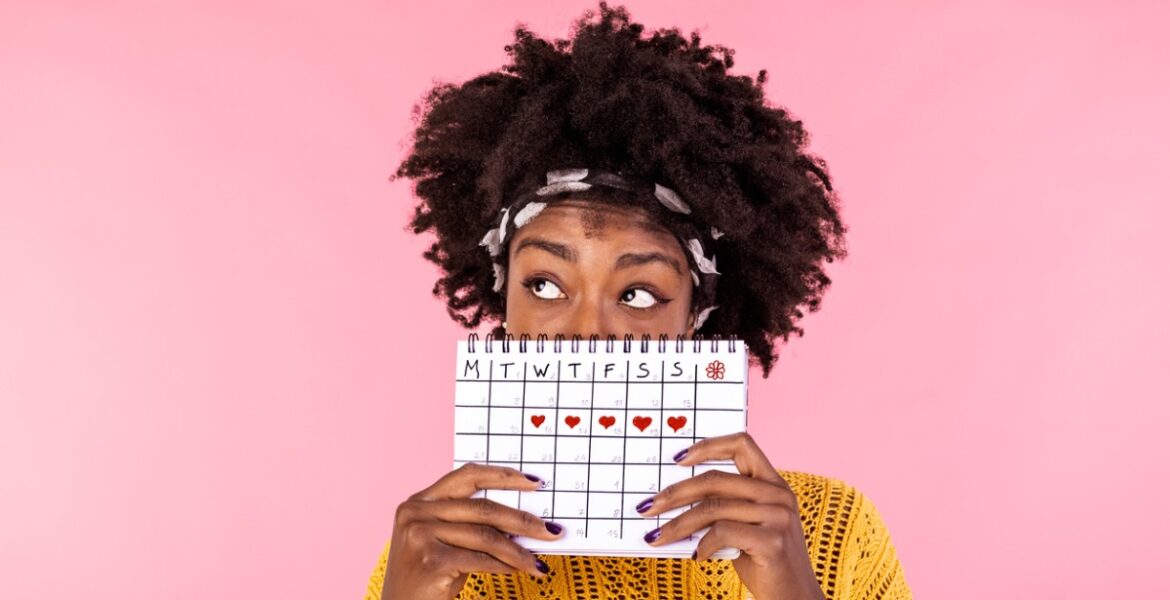
What comes to mind when your once-reliable five-day cycle suddenly lasts two or three days? Alarm bells begin ringing with questions like, “Is something wrong? Is it stress, hormones, or age”?
The truth is a shorter period is common and usually normal. Understanding why it happens helps you stay in tune with your body and know when to seek medical advice.
What a Shorter Period Really Means
A typical period lasts 3 to 7 days, but what matters most is your normal.
If your flow suddenly becomes lighter, ends sooner, or lasts only a few days, it usually signals a temporary shift in hormones or lifestyle. Periods evolve naturally over time.
Common Reasons Your Period Becomes Shorter
Hormonal Shifts
Your menstrual cycle relies on estrogen and progesterone. When these hormones fluctuate, the uterine lining builds up less which result in lighter or shorter bleeding.
Stress, sudden weight changes, illness, or sleep disruptions can trigger these shifts. Even short-term stress can affect your cycle.

Age and Life Stage
Periods naturally change as you move through different phases of life. Teens and early 20s: Your cycles are still regulating. In your 30s and 40s, hormones fluctuate more often. During perimenopause, periods often become shorter, lighter, or irregular before stopping completely. Your body is adjusting—listen and track your patterns.
Birth Control Use
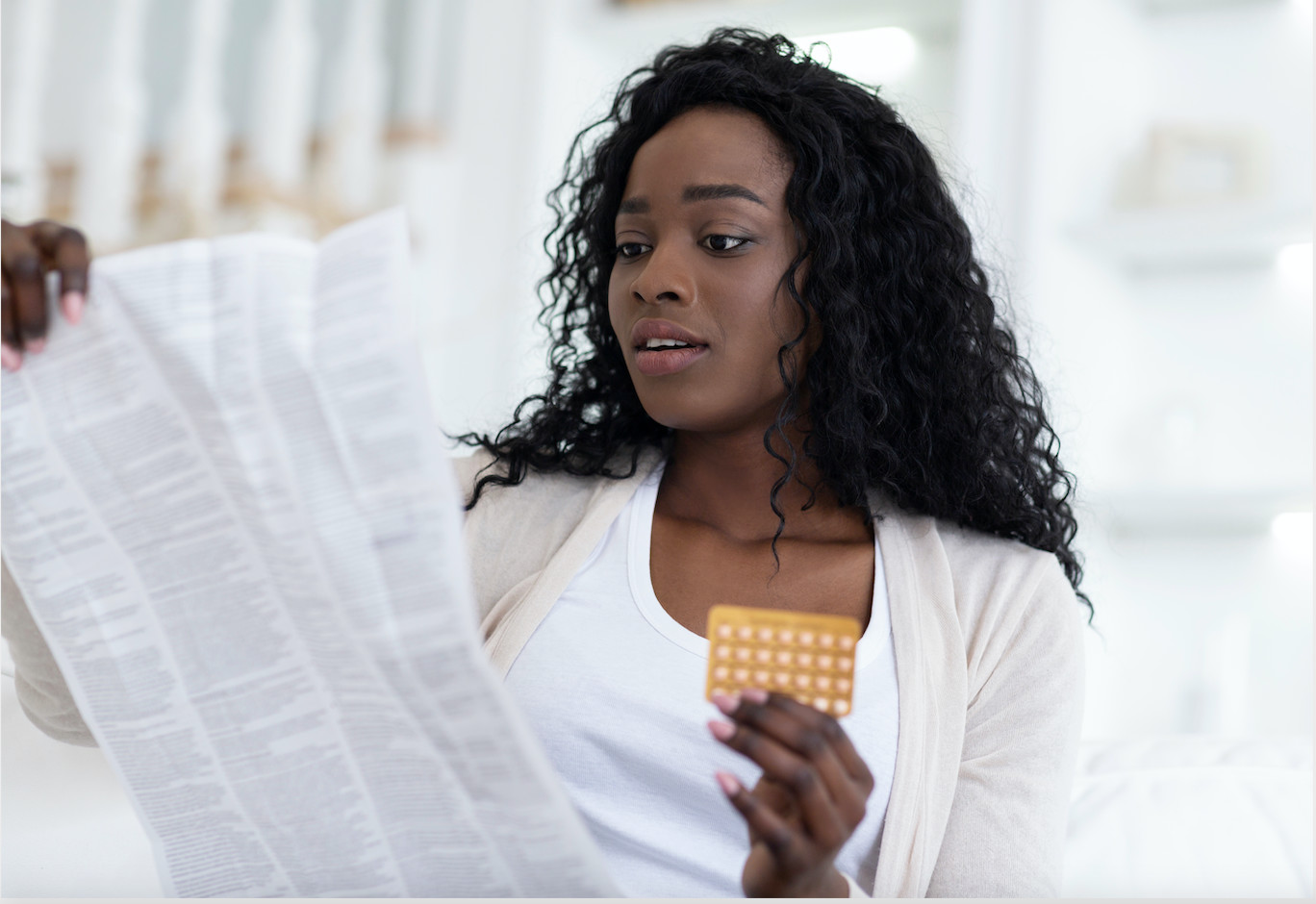
Hormonal contraceptives can shorten periods and sometimes stop them entirely.
This includes:
- Birth control pills
- Hormonal IUDs
- Injections
- Implants
These methods thin the uterine lining, leaving less to shed each month.
Stress and Lifestyle Factors
High stress increases cortisol, which suppresses reproductive hormones. This can make your period lighter, shorter, or irregular.
Other triggers include:
- Over-exercising
- Undereating or restrictive diets
- Sudden travel or disrupted sleep patterns
Your lifestyle directly influences your cycle.

Pregnancy or Early Pregnancy Loss
Light bleeding or spotting can mimic a short period.
If your period suddenly changes and pregnancy is possible, take a test for clarity. Early detection helps you make informed decisions.
Hormonal Health Conditions
Certain conditions can shorten or disrupt periods:
- Thyroid disorders
- Polycystic ovary syndrome (PCOS)
- High prolactin levels
These conditions often bring other symptoms, like fatigue, acne, or irregular cycles.
When a Shorter Period Is Normal
A shorter period is usually not a concern if:
- It comes regularly
- You have no unusual symptoms
- It aligns with stress, birth control, or life stage changes
When to See a Doctor
Consult a healthcare provider if:
- Your period suddenly becomes much shorter or unpredictable
- You skip periods frequently
- You experience severe pain or unusual bleeding
• You are trying to conceive
Listen to Your Body
Your period is one of your body’s strongest health signals. Changes don’t always mean something is wrong but they do mean something is shifting.
Track your cycles. Manage stress. Speak with your healthcare provider when something feels off. These steps help you stay in control of your reproductive health.